This content was originally posted on Forests News
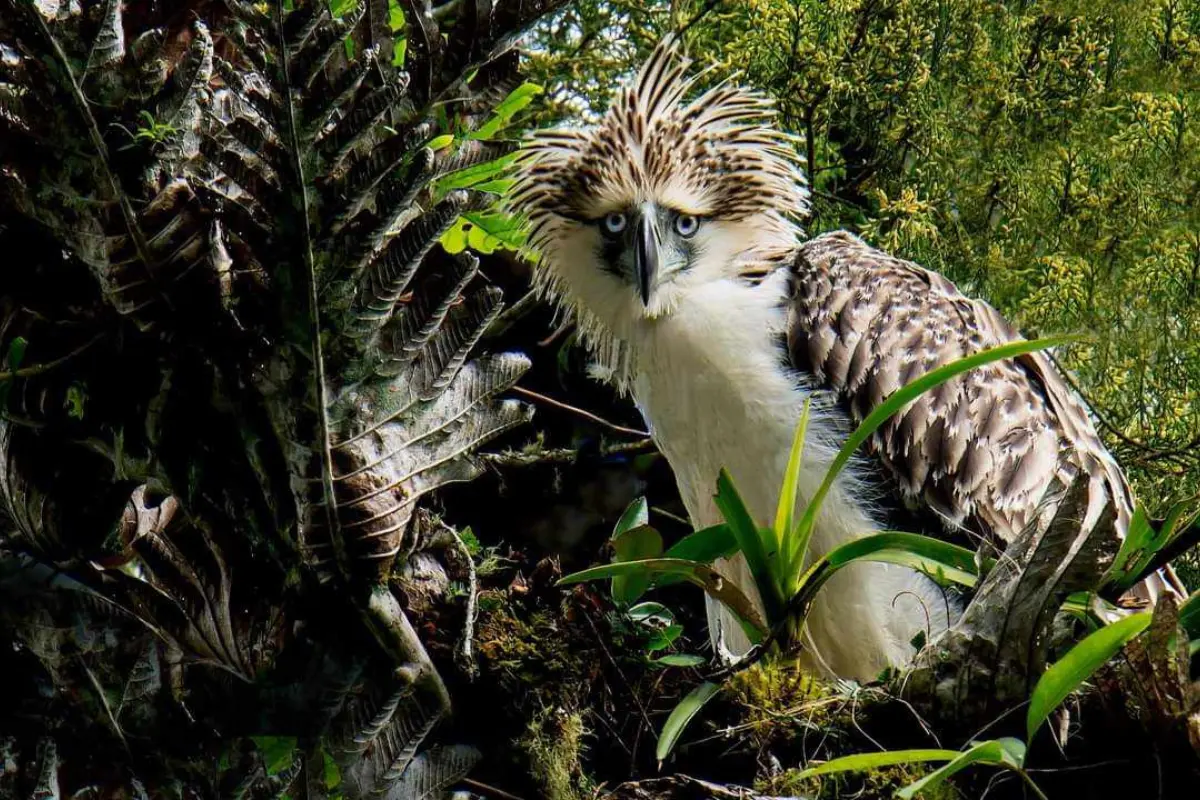
The Philippines is home to one of the world’s largest and most powerful forest raptors: the Philippine eagle (Pithecophaga jefferyi). However, over the past decades, the species has been edged closer to extinction. Through one of its newest projects in the Philippines, Landscape Alliance and its partners are reinforcing why biodiversity conservation requires seeing beyond a single species and its habitat and working with the people who live alongside them.
What makes the Philippine eagle valuable?
Endemic to the Philippines, the Philippine eagle is a rare bird species that lives in forests up to 2,000 metres above sea level, often in steep terrain. It usually builds its nests in large, towering native dipterocarp trees, such as white lauan (Shorea contorta). It can also sometimes be seen in secondary growth and riparian forests, though not in open-canopy forests, where the risk of conflict with people may be higher. Its usual prey include monitor lizards, snakes, bats, palm civets and monkeys, which are also commonly found in these forests.
The raptor is also considered an ‘umbrella species’ because of its large habitat needs. Protecting the Philippine eagle also helps protect smaller, less-mobile species that share its habitat. As an apex predator, meaning it sits at the top of the food chain and has no natural predators of its own, it helps prevent some prey species from becoming too abundant, helping maintain balance in forest ecosystems. This makes the Philippine eagle a flagship species for biodiversity conservation in the Philippines.
Conserving the Philippine eagle means protecting its habitat, including by rebuilding forests with native tree species. In return, healthy forests support more stable ecosystems.
Officially declared the Philippines’ national bird under Proclamation No. 615, the Philippine eagle is valued for its ecological role and as part of the country’s cultural and biological heritage.
Nature’s Neighbours is a four-year project (2025–2029) funded by the United Kingdom Biodiversity Conservation Fund through the Darwin Initiative. Implemented by Landscape Alliance (formerly CIFOR-ICRAF) in partnership with Botanic Gardens Conservation International and the Philippine Eagle Foundation, the project supports sustainable coexistence between Indigenous Peoples and the Philippine eagle in San Fernando Municipality, Bukidnon Province, Philippines. For more information, visit https://www.cifor-icraf.org/project/naturesneighbors/.
This content was originally posted on Forests News
22 May 2026 — In the lush, biodiverse forests of southeastern Cameroon, conservation is not just a technical challenge — it is a cultural, ecological and historical negotiation. At the centre of this negotiation is local knowledge, passed down through generations of people whose lives are closely tied to the land and the animals it harbours.
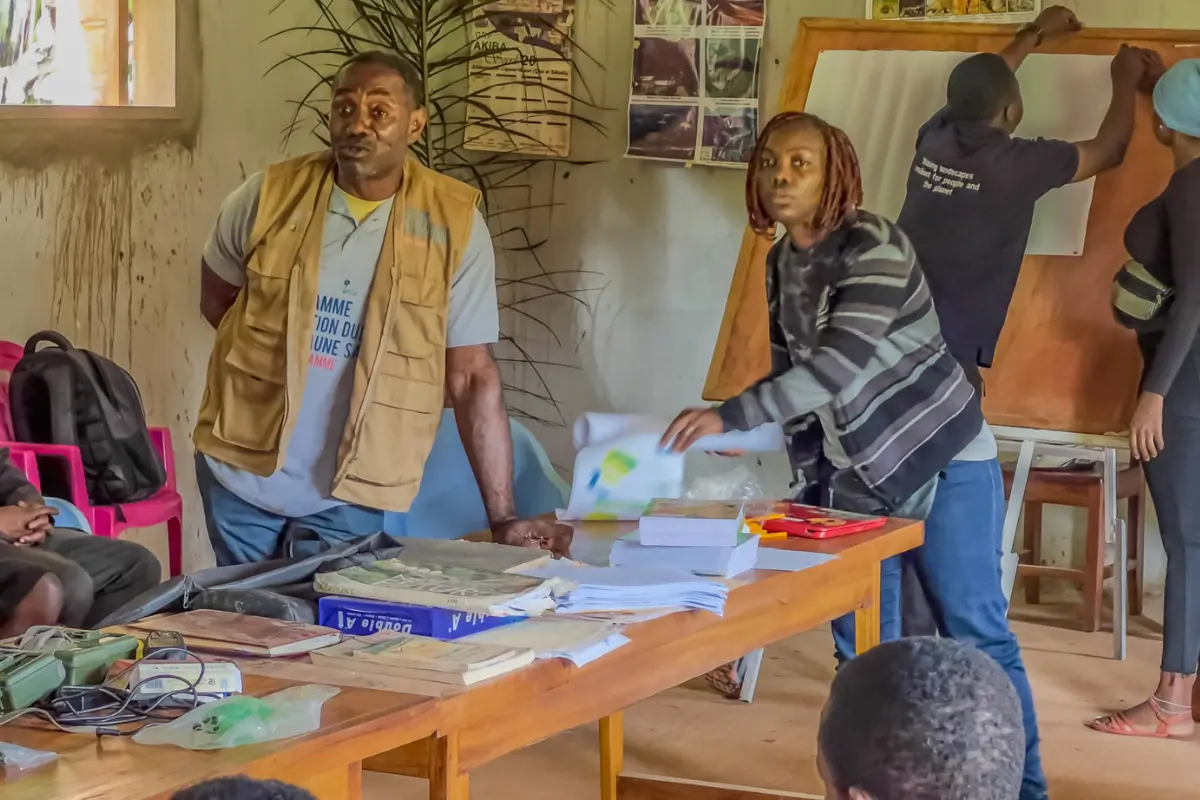
The Sustainable Wildlife Management (SWM) Programme in Cameroon works directly with these communities through a community-rights-based approach that brings together science, traditional knowledge and community rights, resulting in stronger natural resource management. At the heart of the programme’s operations is Robert Okale, the project’s field coordinator and long-time para-ecologist.
“It’s very important to work with local communities because they are both the primary beneficiaries and, equally, the first victims of environmental challenges,” said Okale. “As researchers and technical experts, we bring scientific knowledge, but river communities hold practical and traditional knowledge. That’s why it’s essential to involve them in our work.”
Known affectionately by colleagues and community members as Petit Robert — a nickname that belies both his physical stature and his outsized role in the project — Okale brings decades of field experience. His deep familiarity with the region’s flora and fauna is matched only by his enduring relationships with Bantu and Baka communities across the forest landscape.
The SWM Programme is a major international initiative that aims to improve the conservation and sustainable use of wildlife in forest, savannah and wetland ecosystems. It is funded by the European Union, with co-funding from the French Facility for Global Environment (FFEM) and the French Development Agency (AFD). Projects are being piloted and tested with governments and communities in 16 participating countries. The initiative is coordinated by a dynamic consortium of four partners, led by the Food and Agriculture Organization of the United Nations (FAO) with Landscape Alliance (formely known as the Center for International Forestry Research and World Agroforestry (CIFOR-ICRAF)), the French Agricultural Research Centre for International Development (CIRAD) and the Wildlife Conservation Society (WCS).
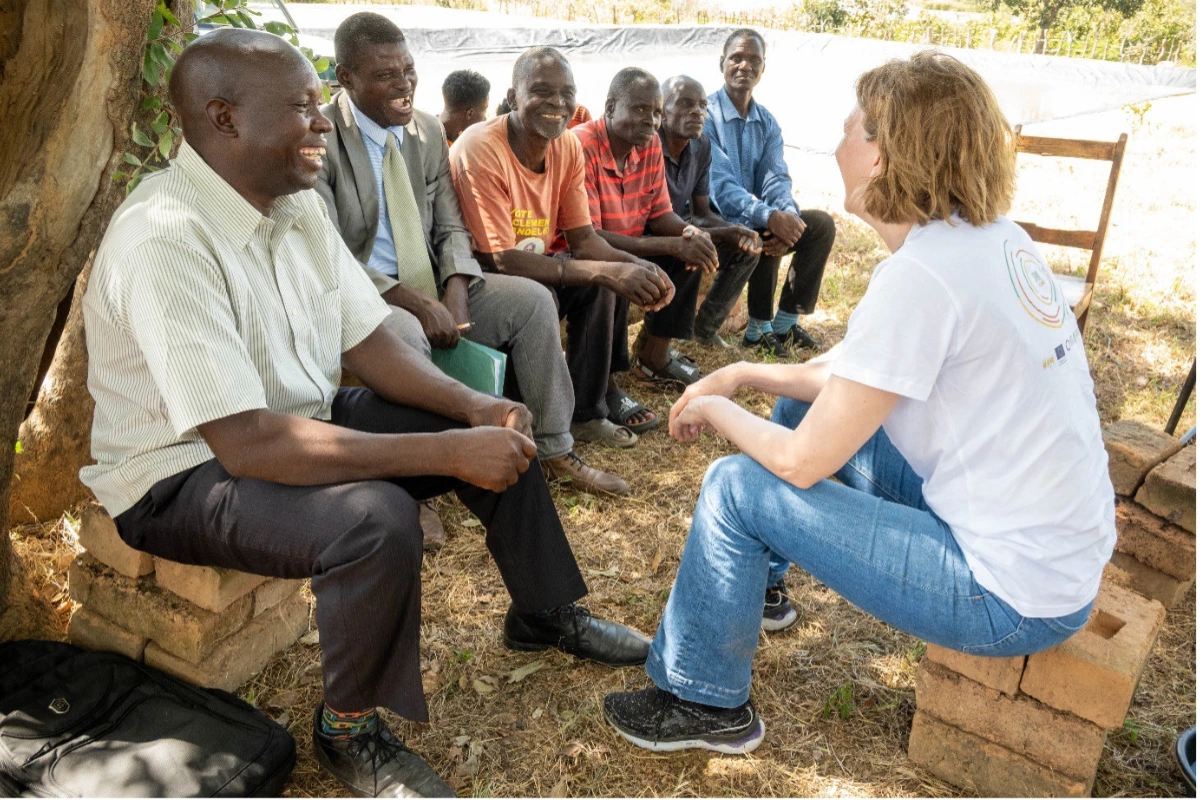
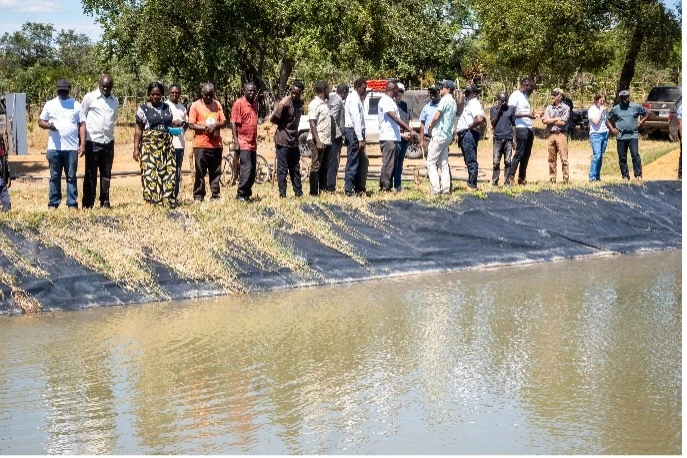
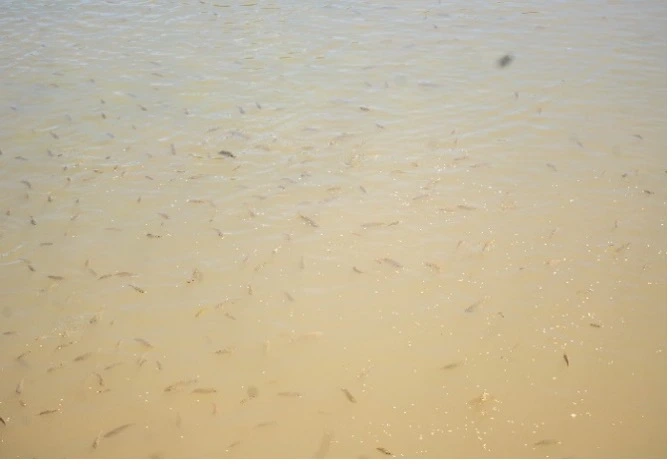
Apr. 2026 — A three-day field visit to Sustainable Wildlife Management (SWM) Programme sites in Zambia offered a World Bank delegation more than presentations and meetings. From the fish ponds in Nyawa that are farmed by the Sianyongo Fish Farming Cooperative (SFFC) to the fresh, sweet honey harvests of the Lushomo Beekeeping Cooperative, participants saw firsthand how community conservation is creating livelihood opportunities in southern Zambia.
The main purpose of the visit was the launch of the World-Bank funded Transforming Landscapes for Resilience and Development (TRALARD II) Project on 14 April 2026, which has identified Kazungula as a key area for upscaling community driven development initiatives. But beyond the official launch, the visit became an opportunity to showcase the growing work and impact of the SWM Programme.
The journey kicked off at the SFFC in Nyawa Chiefdom where community members shared how fish farming is helping households improve nutrition and earn income. Around the ponds, conversations quickly turned from fish production to the bigger picture involving reducing pressure on wildlife and creating sustainable livelihood options.
“Community-led enterprises are central to the long-term success of conservation,” said Lauren Coad, Principal Investigator for the SWM Programme at the Center for International Forestry Research and World Agroforestry (CIFOR-ICRAF), during the visit. “When communities can generate income from sustainable activities such as fish farming and beekeeping, it reduces pressure on wildlife while strengthening local food systems.”
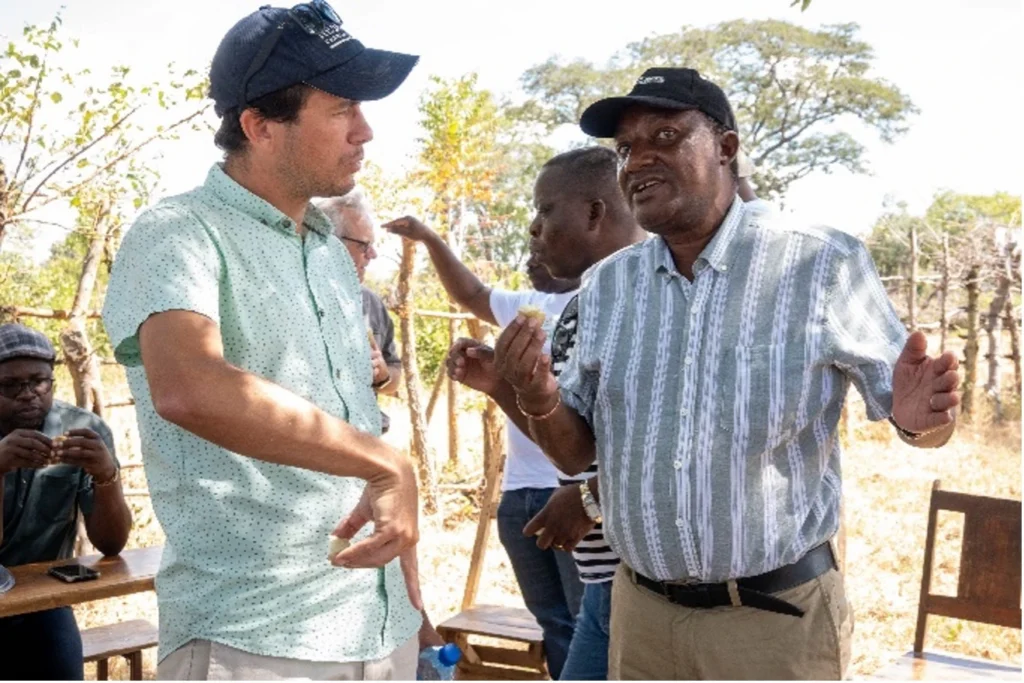
Tour of the Sianyongo Fish Farming Cooperative site. Photo: CIFOR-ICRAF/Zambia
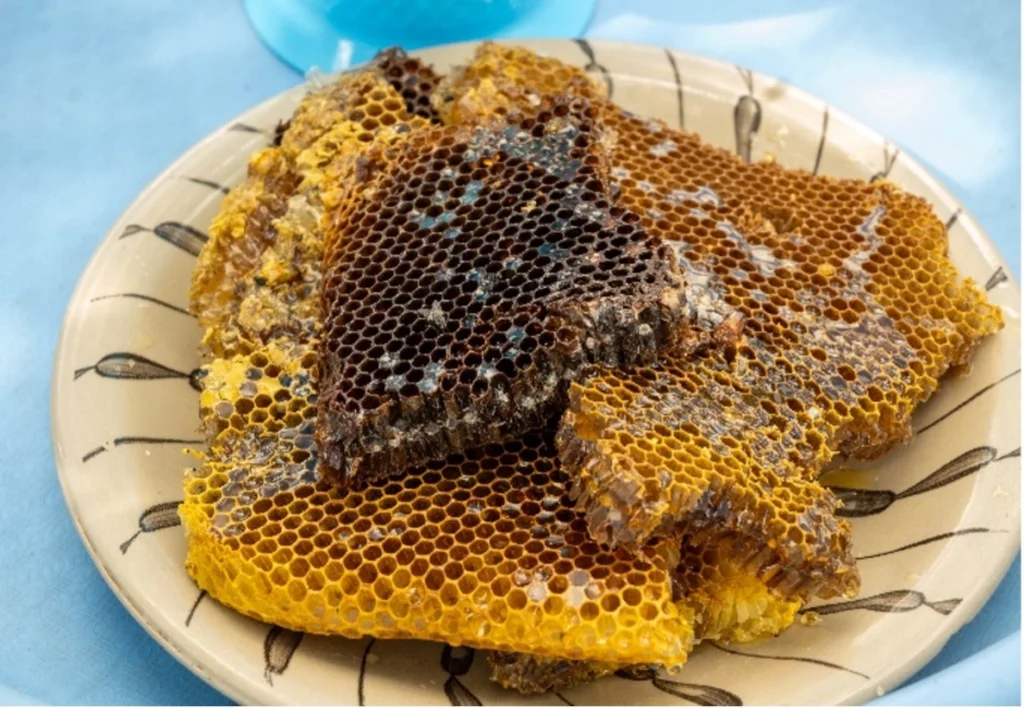
The delegation later made its way to the Lushomo Beekeeping Cooperative, where members proudly treated guests to freshly harvested honey. The relaxed stop gave the delegation a chance to hear from community members about how beekeeping is supporting household incomes while encouraging communities to protect forests and natural habitats.
The SWM Programme promotes fish farming and beekeeping as alternatives to growing concerns over unsustainable hunting, which continues to threaten wildlife populations globally. For many rural households, these community conservation enterprises are becoming important sources of food, income, and resilience.
“What we are seeing in Nyawa is proof that conservation and development can move together,” said Coad. “Healthy ecosystems support healthy livelihoods.”
Freshly harvested honey from the Lushomo Beekeeping Cooperative. Photo: CIFOR-ICRAF/ZambiaTour of the Sianyongo Fish Farming Cooperative site. Photo: CIFOR-ICRAF/Zambia
The visit also included technical coordination meetings led by SWM Programme Site Coordinator, Griffin Shanungu, Community Liason, Matthew Munsanda, and Social Safeguards Consultant, Daniel Phiri, who monitors ongoing programme activities with local cooperatives. Although limited time prevented the delegation from visiting the community spray race initiative, the team presented CIFOR-ICRAF’s broader work under the SWM Programme and COLANDS initiative in Livingstone at the end of the field visit.
Throughout the three days, the CIFOR-ICRAF team distributed brochures, factsheets, and programme impact materials, ensuring stakeholders gained a deeper understanding of the programme’s footprint in Zambia.
TRALARD II Team Leader Ambroise Brenier (left) and CIFOR-ICRAF Country Coordinator, Maimbo Malesu (right) during SFFC tour. Photo: CIFOR-ICRAF/Zambia
Acknowledgements
The SWM Programme is a major international initiative that aims to improve the conservation and sustainable use of wildlife in forest, savannah and wetland ecosystems. It is funded by the European Union, with co-funding from the French Facility for Global Environment (FFEM) and the French Development Agency (AFD). Projects are being piloted and tested with governments and communities in 16 participating countries. The initiative is coordinated by a dynamic consortium of four partners, led by the Food and Agriculture Organization of the United Nations (FAO) with the Center for International Forestry Research and World Agroforestry (CIFOR-ICRAF), the French Agricultural Research Centre for International Development (CIRAD) and the Wildlife Conservation Society (WCS).
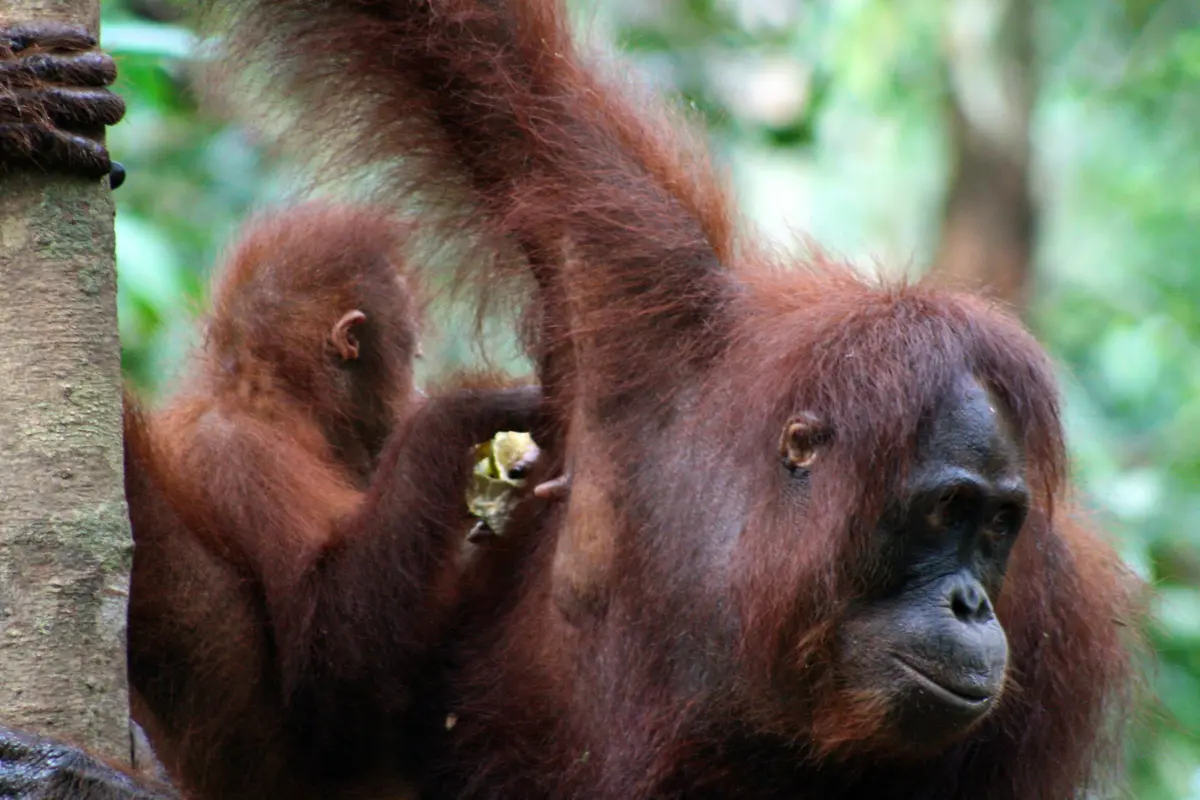
Two forest areas, both in good condition by standard measures, showed dramatically different results. One had high densities of orangutan nests (the proxy the scientists used to determine population sizes for the notoriously elusive animals). The other had none.
The biologists on the team were befuddled. But their anthropologist colleagues had a hypothesis. “They told us that in the forest with a lot of orangutan nests — in the Iban Dayak [local Indigenous group] area — there was a strong traditional knowledge system applied by the local communities,” says Yuliani.
“They have a number of very well-known folktales that encourage people to protect the animals, and support strong norms and taboos about not disturbing orangutans.”
Photo: A researcher collects water samples for eDNA analysis, one of the six monitoring methods being tested. Luke McKenna/FAO.
1 May 2026 – A partnership between the Center for International Forestry Research and World Agroforestry (CIFOR-ICRAF) and Map of Life Solutions has identified over 740 species in Guyana so far through mixed-method biodiversity monitoring.
Researchers involved in the partnership collect and analyze data from Sustainable Wildlife Management (SWM) Programme sites in five countries: Cameroon, Democratic Republic of the Congo (DRC), Guyana, Papua New Guinea (PNG), and Zambia.
By combining data from camera traps, environmental DNA (eDNA), soundscapes, bird counts, fish stock assessments and Local Ecological Knowledge (LEK) with AI-assisted analysis, researchers can accurately identify more species and develop a better understanding of biodiversity-rich ecosystems. This in turn helps governments and resource managers make more informed decisions about how to sustainably manage their natural resources through policies, markets, and national frameworks.
“Biodiversity is in crisis, and decision-makers have been flying blind – lacking the reliable, standardized data they need to act across scales,” said Chrissy Durkin, CEO for Map of Life Solutions.
“This partnership is changing that. By combining cutting-edge monitoring methods with the knowledge of local communities and indigenous peoples on the ground, and feeding all of it into models that are relevant and decision-ready across time and space, we’re producing biodiversity intelligence that is rigorous enough to shape national policy and trustworthy enough to support nature finance.”
Map of Life Solutions is powered by the science of the Center for Biodiversity and Global Change at Yale University. Their partnership with CIFOR-ICRAF is funded by the European Commission (EC) and facilitated through the Sustainable Wildlife Management (SWM) Programme. Acoustic monitoring, camera trap monitoring, and AI analysis are provided through Wildmon, while Map of Life Solutions facilitates the eDNA sampling, lab processing, and data integration to produce species distribution models that power standardized metrics.
The SWM Programme is a major international initiative that aims to improve the conservation and sustainable use of wildlife in forest, savannah and wetland ecosystems. It is funded by the European Union, with co-funding from the French Facility for Global Environment (FFEM) and the French Development Agency (AFD). Projects are being piloted and tested with governments and communities in 16 participating countries. The initiative is coordinated by a dynamic consortium of four partners, led by the Food and Agriculture Organization of the United Nations (FAO) with the Center for International Forestry Research and World Agroforestry (CIFOR-ICRAF), the French Agricultural Research Centre for International Development (CIRAD) and the Wildlife Conservation Society (WCS).
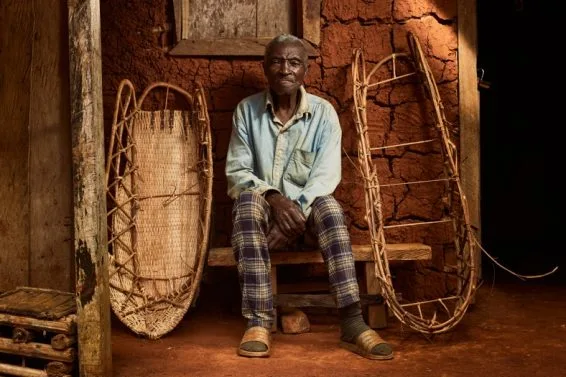
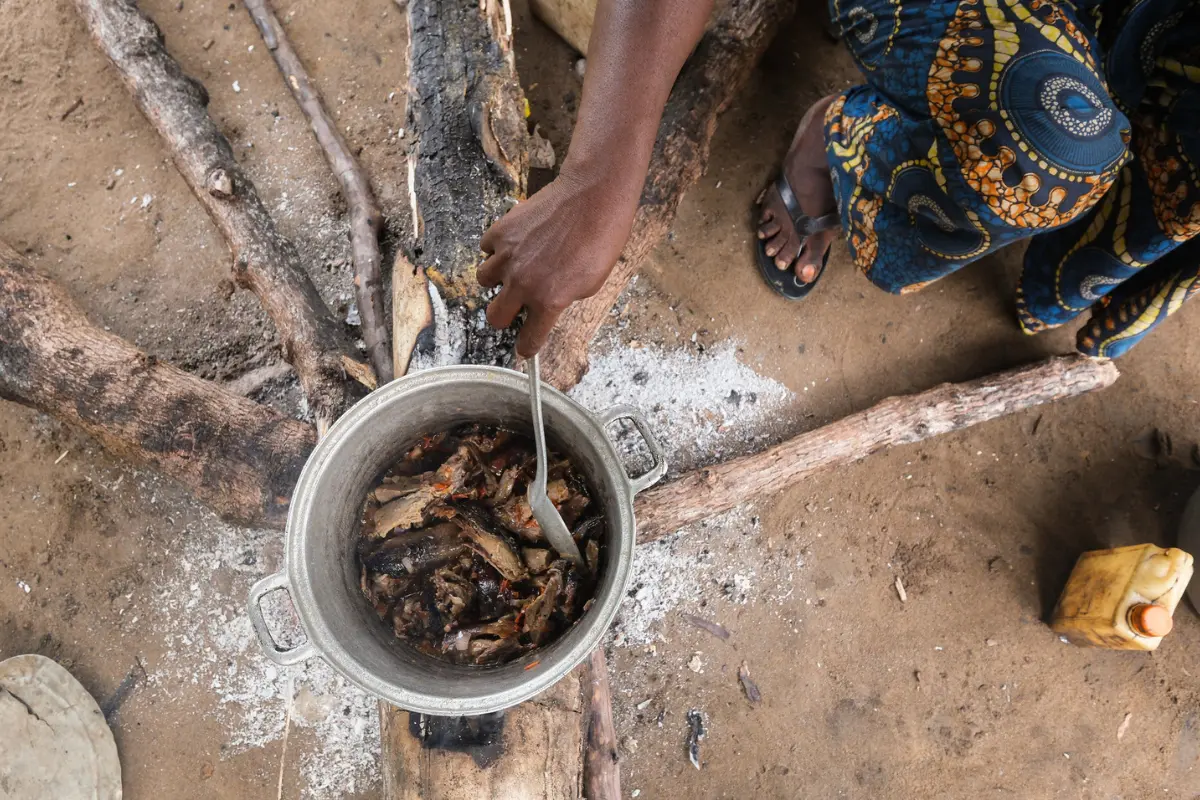
Photo: Bushmeat cooking in Yaselia Village, Tshopo Province – DRC. Axel Fassio/CIFOR-ICRAF
30 April 2026 – A study in Nature provides the first quantitative spatial and temporal analysis of wild meat consumption in Central Africa, revealing a sharp increase in demand that is largely driven by urban populations.
The total annual biomass of wild meat consumed across Central Africa has increased from an estimated 0.73 million tonnes in 2000 to 1.10 million tonnes in 2022. This increase is threatening wildlife populations and raising concerns about long-term nutritional security in rural areas.
These findings are the result of a collaboration between the Centre for International Forestry Research and World Agroforestry (CIFOR-ICRAF), the Durrell Institute of Conservation and Ecology (DICE) at University of Kent, the University of Stirling, the Centre for Advanced Study of Collective Behaviour (CASCB) at University of Konstanz, and the Institute for Research on Tropical Ecology (IRET) in Gabon.
Analysis for this study was supported by the EU-funded Sustainable Wildlife Management (SWM) Programme, which is currently piloting field projects in 16 countries. The initiative is implemented by a dynamic consortium of four partners, led by the Food and Agriculture Organization of the United Nations (FAO) with the Center for International Forestry Research and World Agroforestry (CIFOR-ICRAF), the French Agricultural Research Centre for International Development (CIRAD) and the Wildlife Conservation Society (WCS). Data was collected through the WILDMEAT project (www.wildmeat.org), which has been supported by the US Fish and Wildlife Service (USFWS), US Agency for International Development (USAID) and UK Research and Innovation (UKRI).
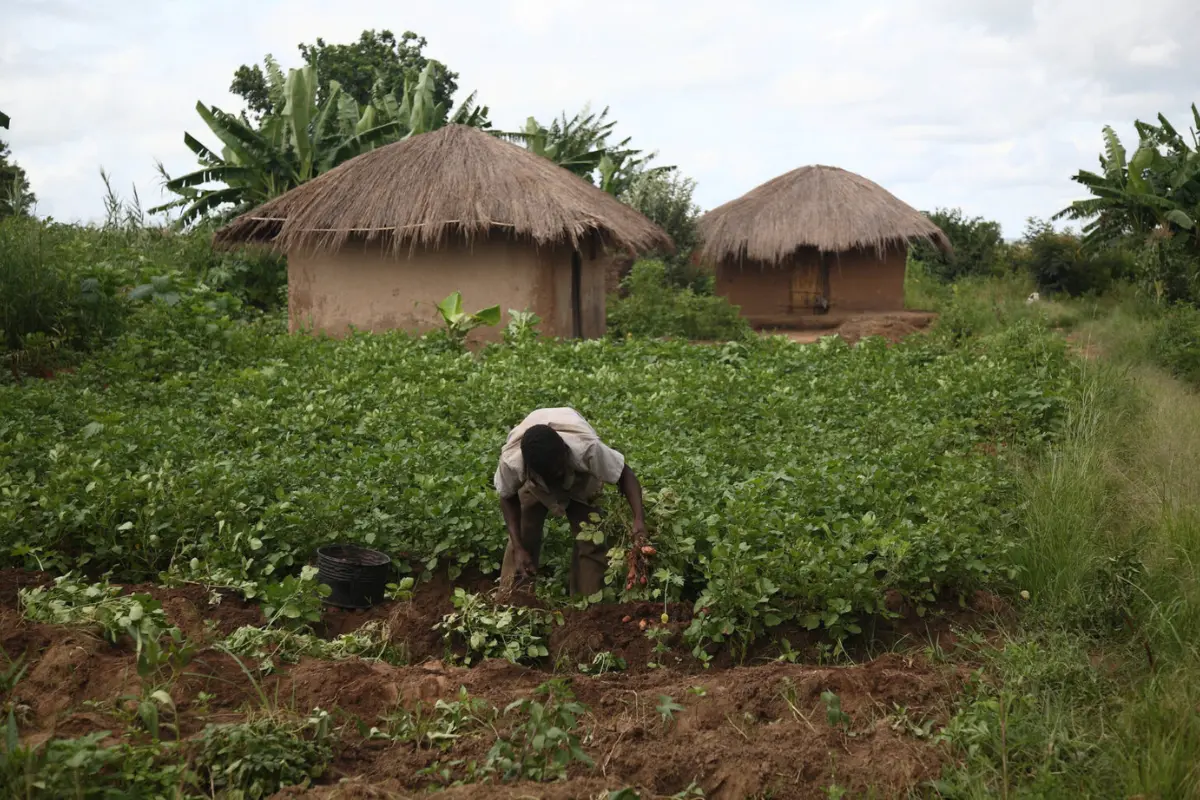
Photo: A farmer works in a field in central Malawi. CIFOR-ICRAF
29 April 2026 — A blog on Forests News interviewed Lessah Mandaloma, researcher at the University of Oxford, to discuss how the expansion of conservation areas in Malawi often conflicts with people’s needs for food security and economic development.
Her recent publication in Conservation Science and Practice explores how communities around Kasungu National Park believe future scenarios for conservation and agricultural policies — including fertilizer subsidies and farmer compensation schemes for crops that are damaged by wildlife — could shape outcomes.
The study concluded that conservation priorities can only be met if policies meaningfully engage local communities and fairly address their needs.
“In this landscape, conservation decisions often prioritize ecological outcomes,” said Mandoloma. “Often, they don’t fully account for local livelihoods, governance realities or social outcomes, even though these ultimately determine whether conservation succeeds or fails.”
The study behind this blog was supported by the Government of Malawi, Lilongwe University of Agriculture and Natural Resources (LUANAR), CIFOR-ICRAF, and the Biology Department, University of Oxford with additional funding from the UK Research and Innovation’s Global Challenges Research Fund (UKRI GCRF) Trade, Development and the Environment Hub project and the Research England International Science Partnership Fund (ISPF) Institutional Support (ODA).
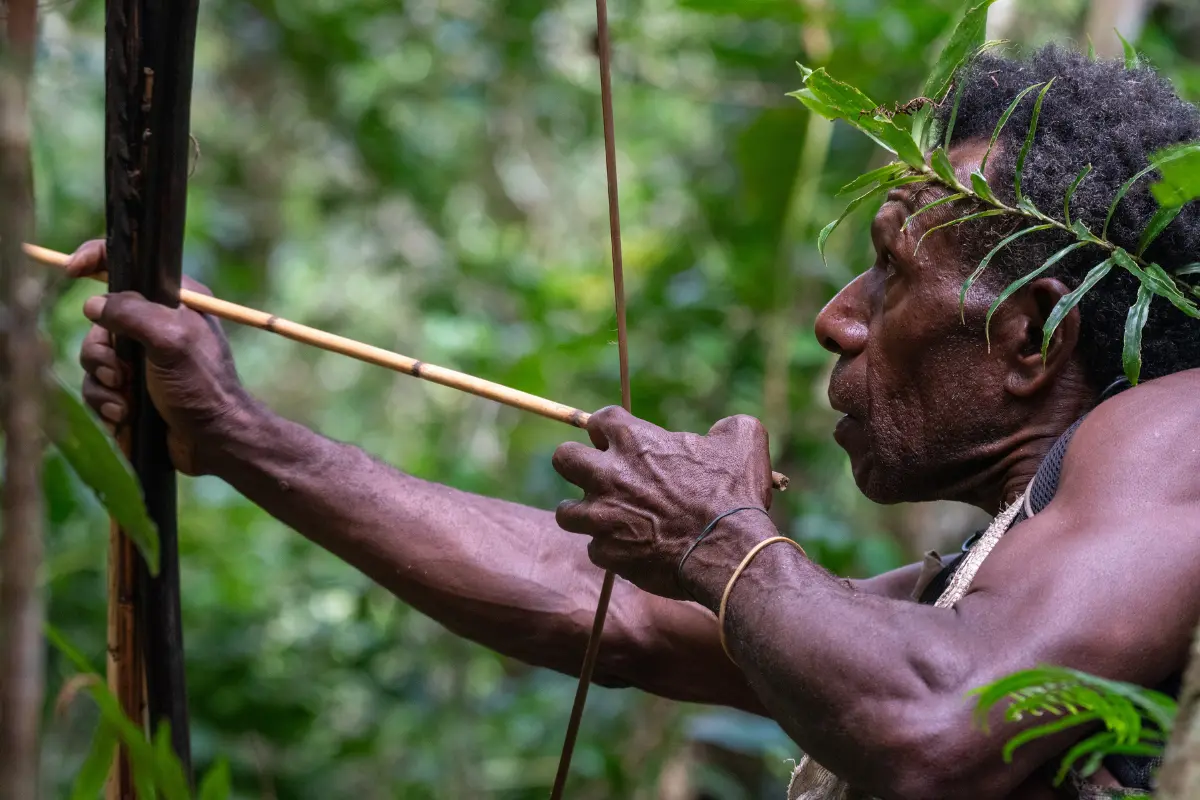
Photo: Traditional hunter in Papua New Guinea. FAO
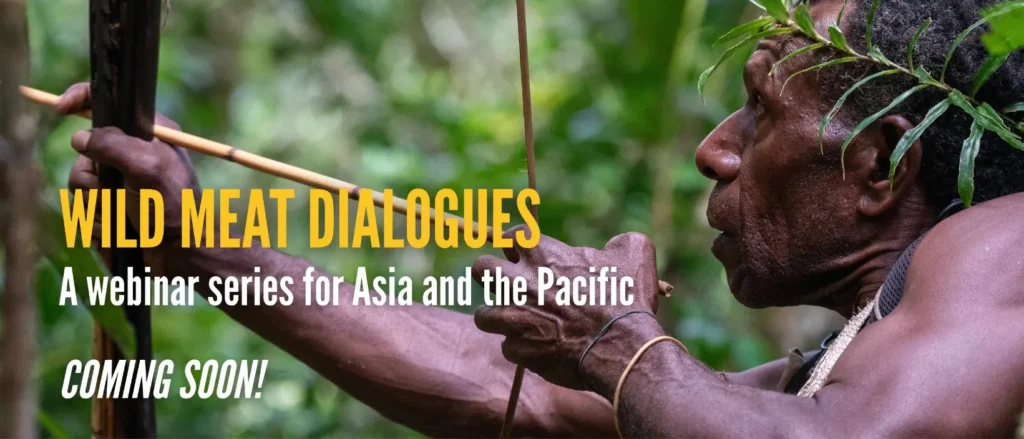
28 Apr. 2026 – The Sustainable Wildlife Management (SWM) Programme is launching a new webinar series in May 2026 in collaboration with the Sustainable Use of Wild Species Transformative Partnership Platform (SU-TPP).
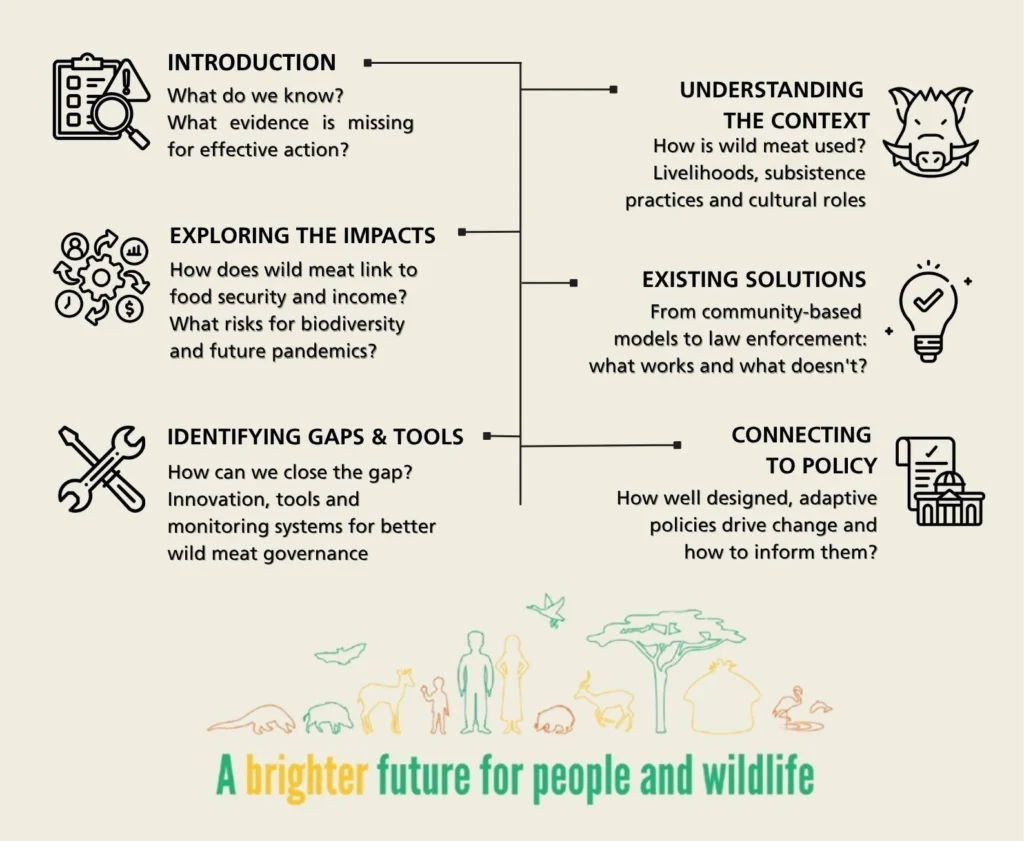
The SWM Wild Meat Dialogueswill examine research gaps at the intersection of wild meat use and consumption, food security, livelihoods, biodiversity conservation, and zoonotic disease risks across Asia and the Pacific.
Why it matters
Wild meat use and consumption in Asia and the Pacific are critically under-researched, despite their contributions to food security, income, and cultural identity.
The SWM Programme has been actively working to address these gaps through diagnostic studies, support for community-based surveillance, and the first comprehensive regional analysis of wild meat consumption and hunting data.
But there is an ongoing need for a dedicated platform that can facilitate connections, knowledge exchange and collaboration. The new webinar series answers that need, bringing together researchers, practitioners and policy makers to share what they know, identify research priorities and inform policies that scale up sustainable wildlife management across the region.
What’s next?
Stay informed about upcoming webinars through the mailing list and be part of the regional community.
Structure of the Wild Meat Dialogues, connecting evidence to policy. FAO.
Acknowledgements
The Sustainable Wildlife Management (SWM) Programme is funded by the European Union with co-funding from the French Facility for Global Environment and the French Development Agency. The initiative is coordinated by a dynamic consortium of four partners, led by the Food and Agriculture Organization of the United Nations (FAO) with the Center for International Forestry Research and World Agroforestry (CIFOR-ICRAF), the French Agricultural Research Centre for International Development (CIRAD) and the Wildlife Conservation Society (WCS).
Photo: Meat seller’s cart at Mon Repos market in Georgetown, Guyana.Francois Sandrin/CIFOR
26 Apr. 2026 – Resources from the former United States Agency for International Development (USAID) Wild Meat Collaborative Learning Group are now available at wildmeat.org.
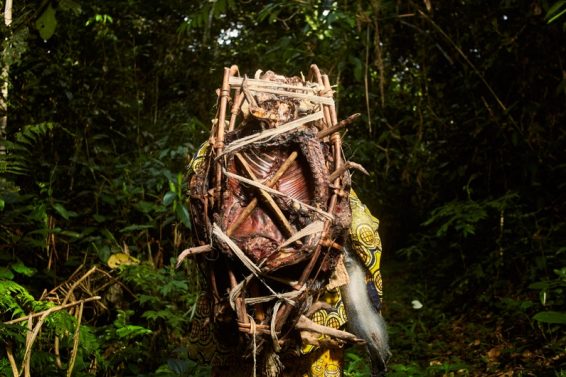
The Wild Meat Toolkit for Integrated Design, Monitoring, and Adaptive Management collects and shares lessons learned from projects related to wild meat, showing how these efforts connect to food security, health, and biodiversity. It brings together a range of cross-sector approaches to tackling wild meat issues and provides ways to measure their success. USAID and its partners used this interactive toolkit to apply a One Health approach to address wild meat challenges more effectively.
Wild animals are critical for ecosystems to function and support human well-being. Many people rely on wildlife for food, nutrition and income.
Yet, habitat destruction and overexploitation of wild resources through hunting and trade is on the rise. Achieving development goals while conserving biodiversity requires interdisciplinary collaboration, and this toolkit offers a holistic framework for conservation-program design, monitoring and adaptive management.
Wild Meat Toolkit for Integrated Design, Monitoring and Adaptive Management
What’s next?
Visit the website to download the toolkit, browse case studies and review the key learning questions and associated activities that the Wild Meat Collaborative Learning Group undertook from 2021-2025.
The Wild Meat Toolkit complements the WILDMEAT Indicators toolkit, which provides more specific guidance on ecological indicators and population monitoring.
Photo: Collecting material for hunting traps in Yangambi, Democratic Republic of the Congo (DRC). Axel Fassio/CIFOR-ICRAF
14 Apr. 2026 – The Sustainable Use of Wild Species Transformative Partnership Platform (SU-TPP) launched its first webinar with 318 participants from almost 70 countries across all continents.
Experts from diverse regions and disciplines came together to explore a timely question:
How can the ‘use’ of wild species for food, income or cultural traditions become part of the solution for a sustainable future?
“We chose the theme of sustainable use in a changing world for today’s webinar because the context in which wild species are managed is changing very rapidly,” said SU-TPP Lead Coordinator, Hani Rocha El Bizri, during his opening address.
“The effects of climate change, biodiversity loss, shifting food systems, disease risks and evolving policy agendas are increasingly interconnected.”
Drawing on over 15 years of experience working alongside local communities in the Amazon who practice subsistence hunting, he noted a clear shift in thinking towards recognizing that sustainable use is compatible with conservation and the rights of Indigenous People and local communities.
El Bizri welcomes participants to the SU-TPP launch webinar.
The newly launched SU-TPP aims to turn this recognition into action, aligning with the Kunming-Montreal Global Biodiversity Framework (GBF) and its mandate for sustainable, equitable and safe use of wild species—outlined in Targets 5 and 9.
“I believe this community of practice will have an important role to play in that transformation,” said El Bizri.
In his keynote, Robert Nasi, Co-Founder of the SU-TPP and Director of Science at the Center for International Forestry and World Agroforestry (CIFOR-ICRAF) traced the origins of the community back to 1999, when sustainable use was largely overlooked in global biodiversity discussions.
“At the time, everybody was working on conservation or on biodiversity benefit sharing, but we had forgotten the third element of the first declaration of the CBD [Convention on Biological Diversity], which was sustainable use,” he said. “We did not believe that ‘use’ could be sustainable.”
Today, the stakes are clearer. The latest IPBES report on sustainable use confirms that wild species are essential for millions of peoples’ food, income and cultural identity. Yet, they are often used in ways that are unsustainable, inequitable, and unsafe.
What is the SU-TPP?
The SU-TPP responds to this complexity by fostering a community of practice that puts sustainable use at the heart of solutions to interconnected challenges like biodiversity loss, food and nutritional security, and zoonotic disease transmission.
Hosted by CIFOR-ICRAF and co-founded with the University of Oxford and Manchester Metropolitan University, the platform brings together research institutions, Indigenous organizations and civil society groups with a shared vision for a world where all wild species that people use are managed sustainably, equitably and safely.
Three features distinguish the TPP’s approach:
Grounded research: Working alongside projects to co-produce evidence, attract new funding sources and connect researchers, especially in tropical regions.
Investing in the future: Supporting early-career researchers and strengthening collaboration across regions. This is especially relevant for scientists in regions with limited access to institutional support, funding, and scientific publication. A future focus also means advancing integrated approaches to biodiversity monitoring and ecosystem management, including e-DNA, camera traps, local ecological knowledge surveys, AI-assisted data analysis.
Beyond traditional conservation: Looking beyond protected areas to understand how wild species are used across entire landscapes, including farms, forests and coastal systems, ensuring these realities are reflected in policy and governance.
Nasi introduces the SU-TPP at the launch webinar.
Similar trends across regions
Following the keynote presentation about the SU-TPP, moderator and Scientist at the University of Cambridge, Charles Emogor, opened a conversation on the biggest trends shaping how wild species are used and managed across Africa, Asia and Latin America.
Five key insights emerged:
Many people use wild species; the conversation is not only about subsistence
“In West Africa, you see everywhere the use and high dependence on wild animals and plants,” said Sandra Owusu-Gyamfi, Director of the Ghana Wildlife Society. “…and it’s not only poor people who use these resources.”
Urban and higher-income consumers may also drive demand, paying a premium for wild meat or other products for cultural reasons or personal preference. Many species are traded for pets or medicine, for example—legally and illegally.
Wild foods are undervalued in food systems
Wild and semi-cultivated foods contribute significantly to nutrition, yet they are often overlooked in policy.
“I think people often undermine the use of wild species thinking it is only food for very poor people and that once development takes place in the area, people will consume healthier safer food,” said Mulia Nurhasan, food and nutrition scientist at CIFOR-ICRAF and the Southeast Asia Coordinator of the NutriScapes initiative.
However, that is not always the case. Nutrient-rich wild foods are often replaced by ultra-processed foods when large-scale agricultural and urbanization projects overtake wild spaces. Nurhasan went on to say that research so far shows that plant and animal-sourced foods contribute a lot to peoples’ micronutrient and protein intake, but there is still work ahead to value wild species in food systems:
“It’s very important for policy makers to understand food system thinking in general… so that before you make a grand gesture that influences the food system, you also understand that there are always trade-offs and that the communities and governments are ready for those trade-offs. System thinking is very important for that.”
Charles Emogor holding a white-bellied pangolin retrieved from a hunter. Photo by Alex Moore. Panelists from the SU-TPP launch webinar on 14 April 2026.
Policies exist but often struggle in implementation
Many countries have laws regulating hunting and trade of wild species, but enforcement remains a challenge.
“Even if we have a beautiful and wonderful law, it’s difficult to implement,” said Owusu-Gyamfi, noting that people will continue hunting if viable alternatives are not available.
Strict regulations can also make research more difficult, as communities engaged in informal or illegal trade may be reluctant to share information. In these cases, working through trusted local organizations is essential.
Pressures on wild species are increasing
All regions are experiencing increasing pressure on wild species.
In the Amazonian context, Pedro Constantino, a researcher specializing in the sustainable use of natural resources by traditional peoples in the Amazon, highlighted the impacts of climate change, increase in internet connectivity, rural-urban migration, and organized crime expansion on resource use.
On a more hopeful note, however, there is also a trend of large-scale community organizations working together to influence policy in Brazil, creating networks and working with government to recognize local communities use rights for key species.
Florence Palla, Regional Coordinator of the Center of Excellence for a Central African Forest Observatory (OFAC-CE), noted a similar trend in the Central African context of pressures from markets, consumption, deforestation and habitat destruction, traditional use, and illegal traffic.
Indigenous and community management is essential, but still under-used
Amidst these different pressures, Palla prioritized sustainable management for the community level first “because they depend directly on wild resources.”
“We have to go beyond ecological considerations,” she said. “Beyond the quotas and data to take into account the traditional value of wild species and the social conceptions of what communities need.”
Yet participatory approaches remain inconsistently applied, and local knowledge is still not fully integrated into policy and research.
Together with other stakeholders, community management can help ensure wild resources are maintained for today and for future generations.
What’s next?
The conversation underscored that peoples’ use of wild species is no longer something that can be ignored in national policy and biodiversity conservation.
The SU-TPP invites researchers, practitioners, and policy makers to be part of the community seeking to achieve more sustainable, equitable and safe futures for all wild species.
Acknowledgements
The SU-TPP is hosted by CIFOR-ICRAF and co-founded with the University of Oxford and Manchester Metropolitan University.