
The need
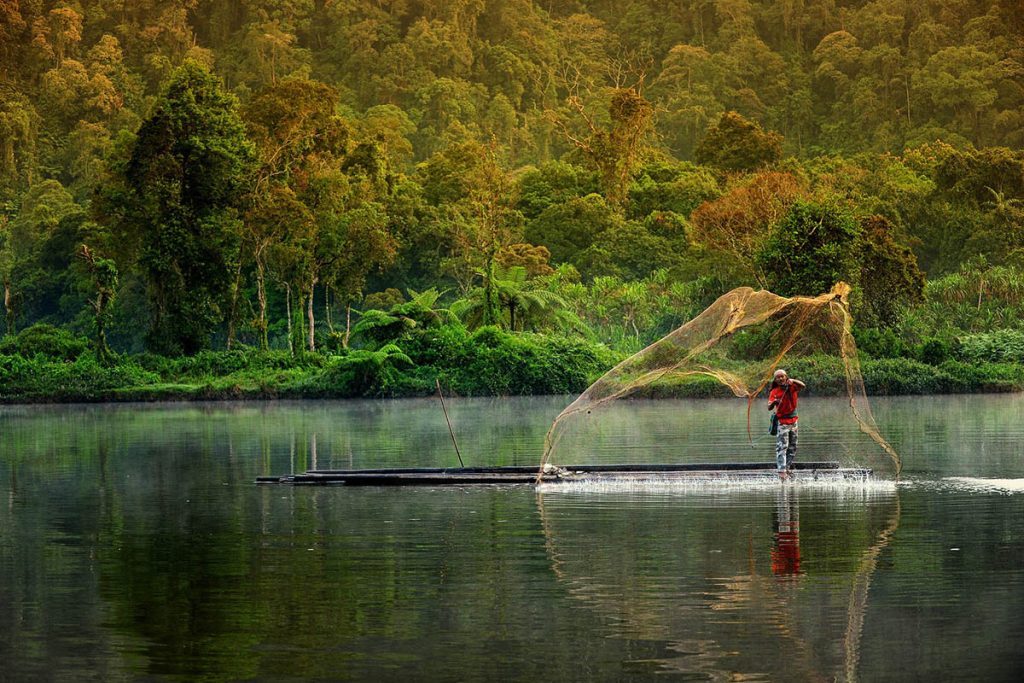
Fish and wildlife are central to Indigenous diets and culture in the Rupununi, where hunting is predominantly subsistence-based. The Rupununi region is located far away from coastal wild-meat markets, yet biodiversity faces growing threats from infrastructure, competing land uses, climate change and social-economic transitions. While conservation has grown and evolved in the Rupununi over the years, there is still a need to foster sustainable management practices. In addition, there is a need to generate lessons that are valuable for other Caribbean and Amazonian countries and to favour the experience exchanges within the region.
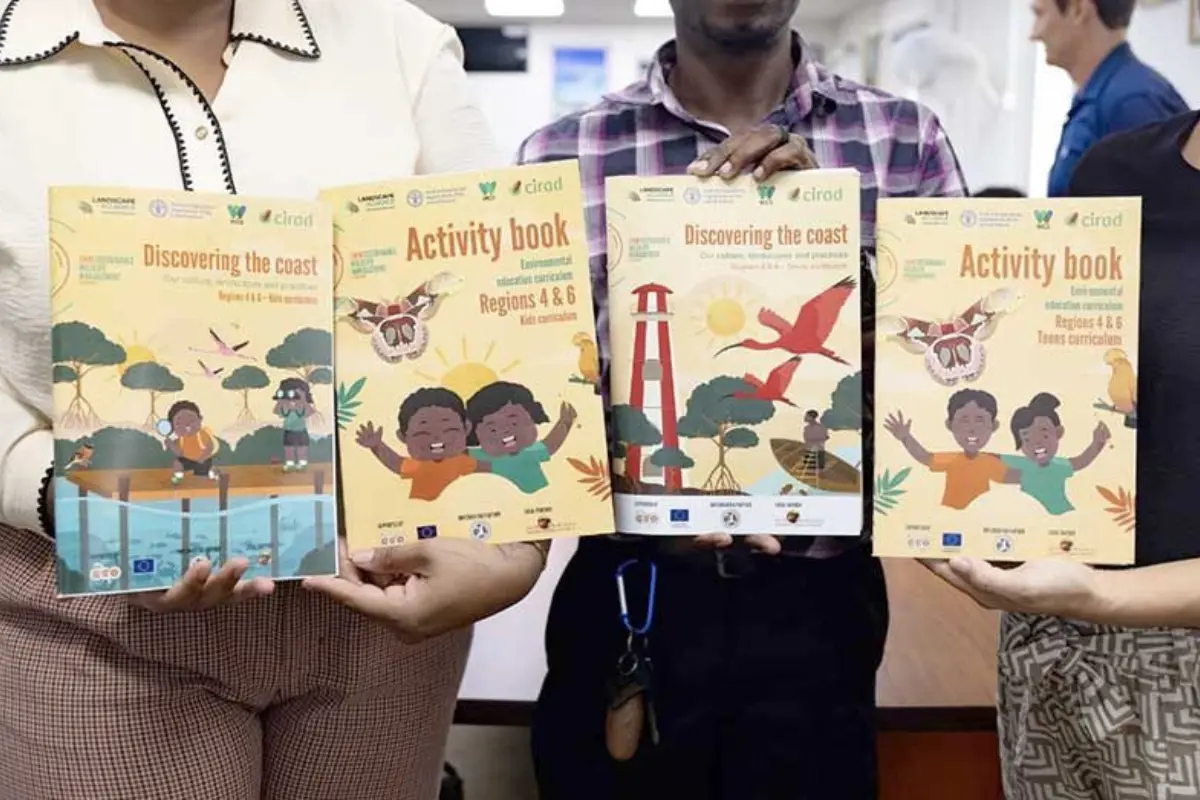
As part of the SWM Programme, this project helps communities consolidate proven co-management models in the Rupununi region.
Duration
2018 – Present
Location
Guyana (Rupununi)
Link
What we’re doing
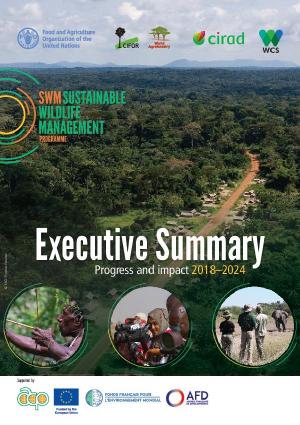
The SWM Programme is designed to reduce hunting of wildlife to sustainable levels, protecting endangered wildlife species, conserving biodiversity, maintaining the essential ecological roles of wildlife within forested and savanna ecosystems, and securing stocks and flows of provisioning ecosystem services. The project works in 16 countries, developing innovative, collaborative and scalable new approaches to conserve wild animals and protect ecosystems, whilst at the same time improving the livelihoods of indigenous peoples and rural communities who depend on these resources. Monitoring and evaluation are key for the project, and each of the project sites have already collected baseline information on wild meat use. The project is also monitoring the impacts of project interventions on people and wildlife.
The SWM Programme in Guyana is encouraging coordinated community-driven initiatives that support food security and traditional livelihoods. These will contribute to maintaining healthy fish and terrestrial wildlife populations. During Phase 2, the SWM Guyana is consolidating management models that were put in place in the Rupununi during Phase 1, including:
1
Implementation of fisheries co-management in the North Rupununi Wetlands.
2
Development of the Wapichan Wiizi plan (9,957 km²) and a regional freshwater turtle plan.
3
Capacity-building and partnerships with local organisations to improve livelihoods and food security for ~24,000 people across 39 Indigenous communities (Wapishana, Makushi).
4
Knowledge exchange and documentation of lessons for peers across the Caribbean and Amazon.

The team
The SWM Programme is being implemented by a consortium of partners working together with governments and local communities. The consortium includes the:
- Food and Agriculture Organization of the United Nations (FAO)
- French Agricultural Research Centre for International Development (CIRAD)
- Center for International Forestry Research and World Agroforestry (CIFOR-ICRAF)
- Wildlife Conservation Society (WCS)
In Guyana, the SWM programme management remains the responsibility of the Government of Guyana through the government’s focal point—Guyana Wildlife Conservation and Management Commission (GWCMC)—and CIFOR-ICRAF in close collaboration with the DUE (represented by the focal point for the SWM Programme), and FAO-GY (represented by the focal point for the SWM Programme).
Project leads:

Featured work
Supporters
This project is supported by