6 Apr. 2026 — A new study in EcoHealth is the first report of human hepatitis B virus (HBV) in wild neotropical primates.
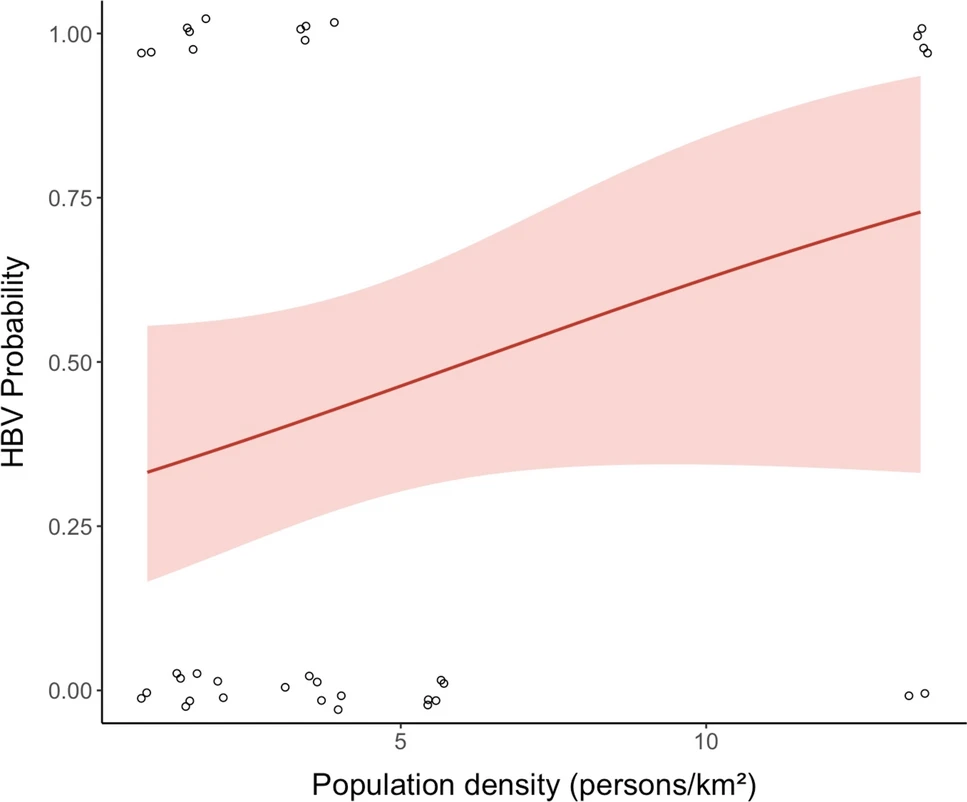
Researchers tested blood or liver samples from 88 primates across 28 species and two Brazilian Amazonian regions—one human-impacted area (Rondonia and Mato Grosso states) and one remote area (upper Japurá River, Amazonas state). They found HBV in 17 out of 49 primates from the human-impacted areas. None of the 39 primate samples from the remote area had contracted HBV.
The findings suggest that human population density significantly predicts human HBV infection in wild primates, supporting the hypothesis of human-to-primate disease spillover that is driven by deforestation and encroachment (Figure 1)
Why it matters
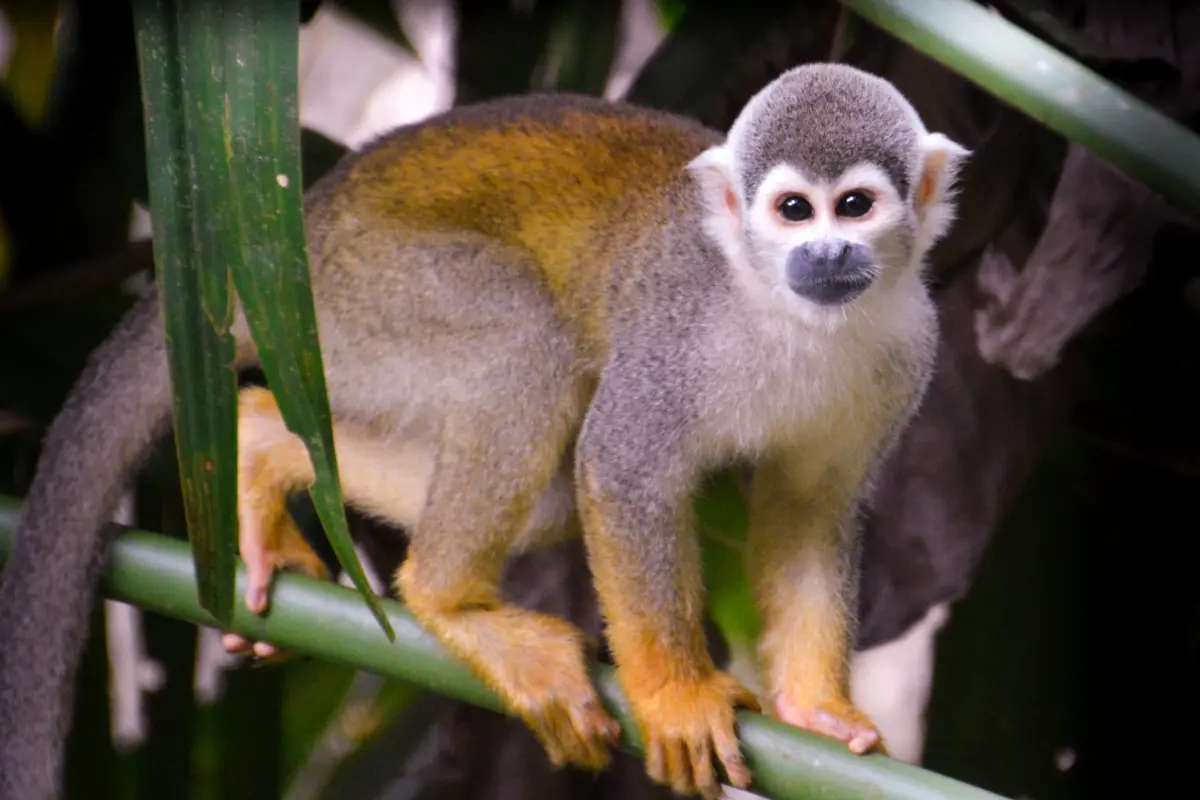
Increasing deforestation and human encroachment into wildlife habitats is increasing human-primate interactions, which could lead to more cross-species disease transmission. In the Amazon, Indigenous people and local communities consume an estimated three million primates from the genara Alouatta, Ateles and Sapajus for subsistence. Other primate species, especially squirrel monkeys (Samiri spp.) are often traded as pets. Both the pet trade and subsistence hunting increase instances of human-primate interaction.
Primates (e.g. chimpanzees) who contract HBV have been shown in experimental studies to develop symptoms such as lethargy, jaundice and anorexia. However, there are currently no clinical studies involving New World primates.
What’s next?
The study recommends increased monitoring and preventative measures to mitigate the risk of human-primate disease transmission.
Acknowledgements
Molecular analyses and Japura field expeditions were funded by CNPq SISBIOTA Program to IPF, and in Rondˆonia by grants from the Fundac¸a˜o Oswaldo Cruz Rondˆonia (FIOCRUZ/RO), Fiocruz- Rondˆonia, CT-Amazˆonia, and CNPq Universal.