Yaoundé, Cameroon – March 2026
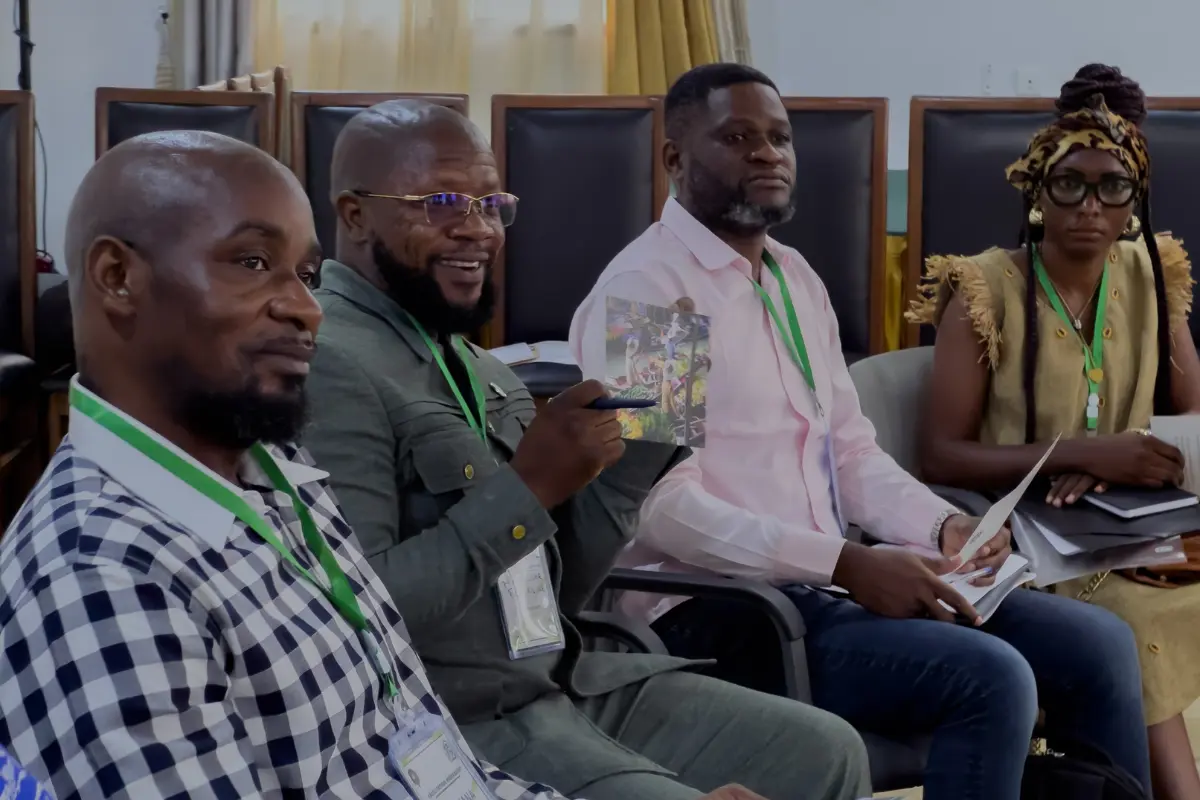
The Institut de Recherche Agricole pour le Développement (IRAD) in Yaoundé, Cameroon hosted a two-and-a-half-day facilitation training organised by the University of Oxford on how to design and run multi-stakeholder workshops.
The training brought together members of two complementary initiatives working at the frontline of sustainable wildlife management in Central Africa: the Central Africa Bushmeat Research Into Policy (CA-BRIP) network and the Operation Pangolin project.
Why facilitation training — and why now?
Translating research into policy and practice requires more than just good science. It requires inclusive, well-designed processes that bring together researchers, government officials, NGOs, and local communities, moving them from dialogue to decision.
This is particularly true in the Central African context, where wild meat (also known as bushmeat) represents a deeply complex conservation and development challenge: millions of people depend on wild meat for food and livelihoods, while unsustainable hunting threatens dozens of species and the ecological balance of the Congo Basin.
CA-BRIP was created precisely to bridge this science-policy gap. Established with funding from the UK Government through the Darwin Initiative, and building on collaborations established as part of the UKRI GCRF TRADE Hub, the SNAPP Partnership and the Sustainable Wildlife Management (SWM) Programme, this expert group brings together an expanding network of researchers, practitioners, and policymakers from Cameroon, the Democratic Republic of the Congo (DRC), and Gabon. It functions as a regional community of practice, providing national decision-makers with robust, context-specific evidence to inform strategies on wild meat use and governance. When governments request, CA-BRIP delivers targeted analyses, synthesizes available data, and supports national workshops aimed at drafting, discussing, and validating wild meat policy instruments.
Operation Pangolin — an initiative led by Florida International University in collaboration with the University of Oxford, the Zoological Society of London (ZSL) and other partners — similarly works to generate data that can inform conservation strategies for pangolins in Central Africa. Their Social-Ecological Systems (SES) team works in partnership with diverse stakeholders, including Indigenous Peoples, local communities, NGOs and government agencies, to feed in-depth research into innovative conservation solutions.
Meeting the demand for multi-stakeholder action on wild meat and wildlife trade requires skilled facilitators capable of managing diverse perspectives and co-designing change processes.
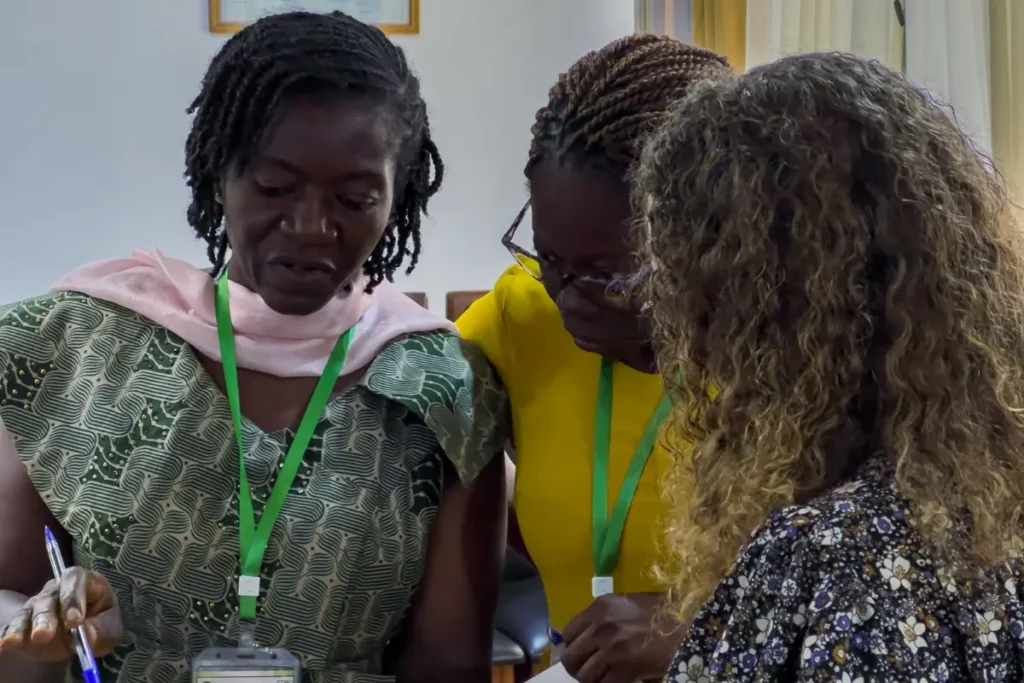
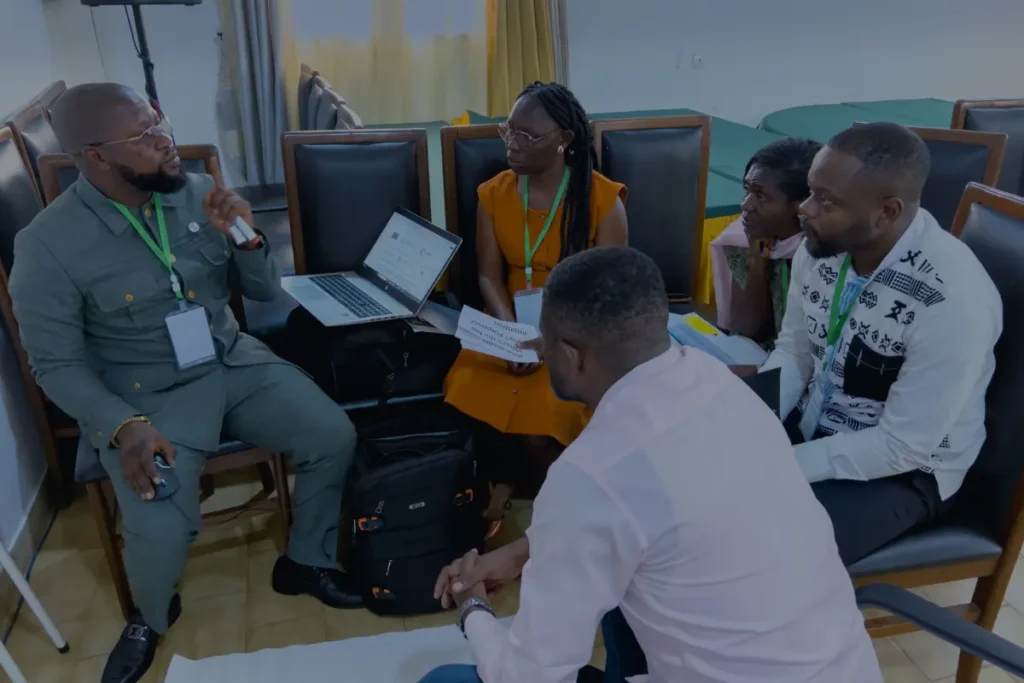
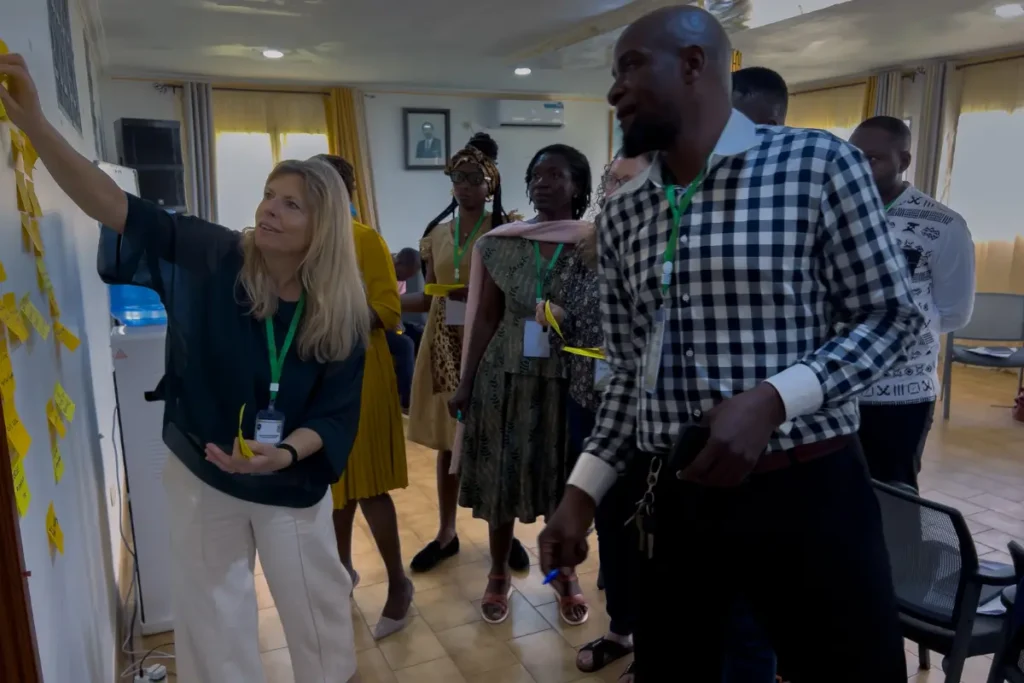
The training
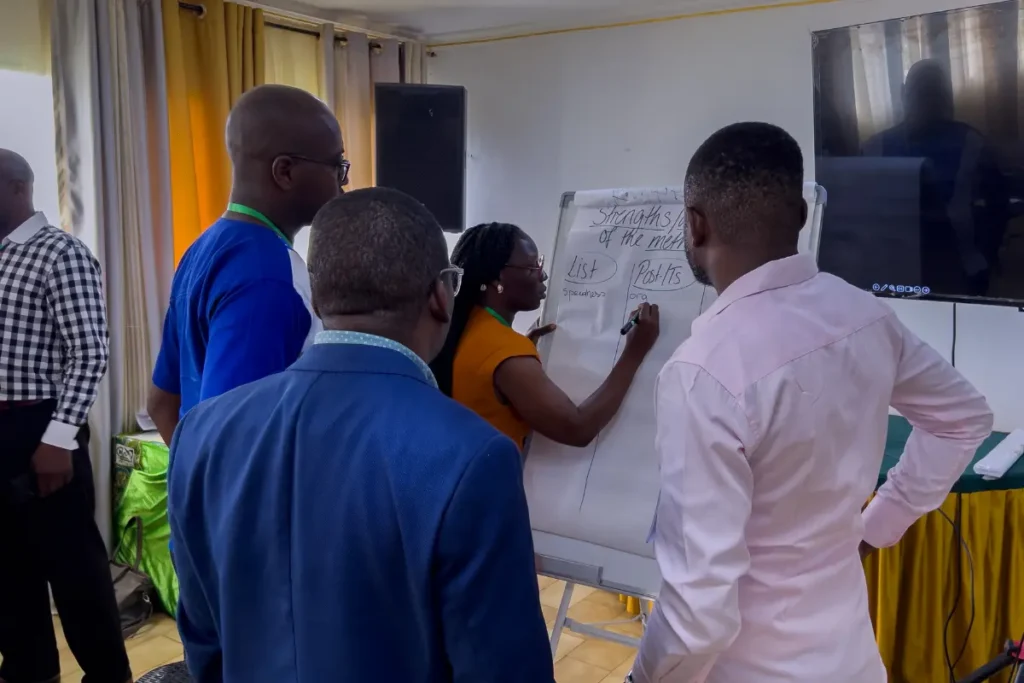
The facilitation training was delivered by Natasha Walker, a change and communication consultant with international experience designing participatory processes for companies, governments, and civil society organisations. The training covered the core principles of facilitation and developing a facilitator mindset, and enabled participants to learn by actively practicing their facilitation skills and receiving peer feedback. The CA-BRIP and Operation Pangolin teams then created concrete facilitation plans for their own upcoming workshops.
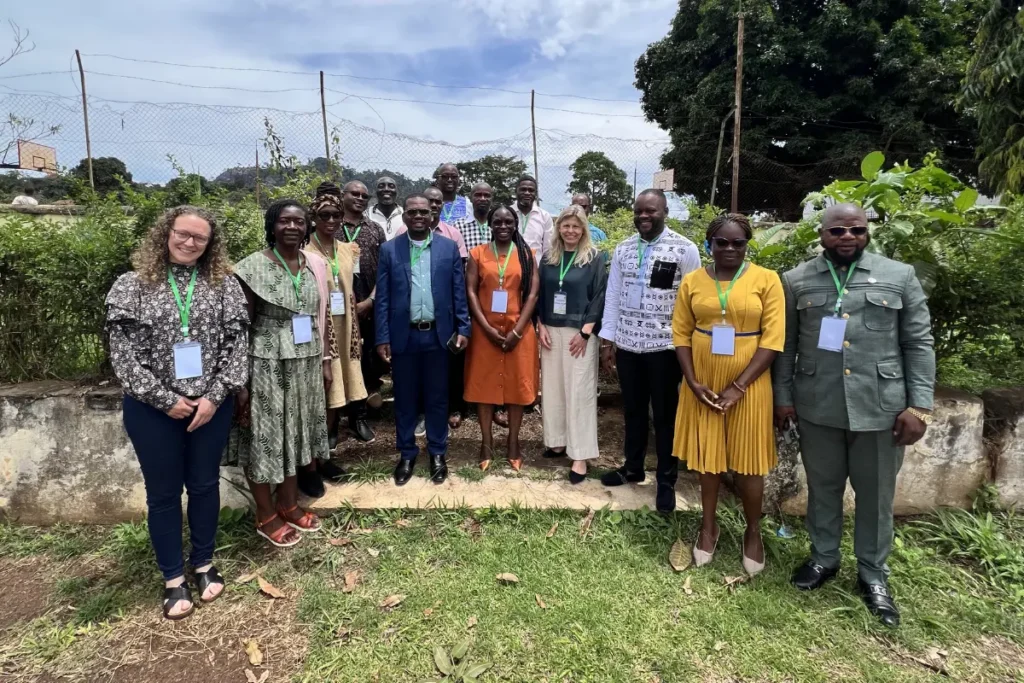
Sixteen participants from nine non-governmental organizations (NGOs), research institutes and government departments benefited from the training. Some individuals travelled to Cameroon from DRC, Gabon and the UK. They all left with practical tools for running participatory workshops, a strengthened understanding of how process design shapes outcomes, and individual feedback on their facilitation strengths and areas for growth.
What’s next?
Good science and good evidence are necessary but not sufficient for sustainable wildlife management. They need to be embedded in participatory processes that bring decision-makers, communities, and practitioners into genuine dialogue. The training delivered at IRAD in Yaoundé was a direct investment in that capacity.
With CA-BRIP members and the Operation Pangolin team now equipped with stronger facilitation skills, the coming months will see these capabilities put to work in real stakeholder workshops — advancing the shared goal of securing sustainable, equitable, and culturally respectful wildlife management across Central Africa.
Acknowledgements
The facilitation training workshop in Cameroon was organised by the University of Oxford, IRAD, ZSL and Collective Action to Save our Environment (CASE) in collaboration with other CA-BRIP member organisations. The training was funded by Research England through an International Science Partnerships Fund (ISPF) Institutional Support Grant for Official Development Assistance (ODA) awarded to the University of Oxford. We also acknowledge the financial support provided to CA-BRIP by the UK Government through the Darwin Initiative and from the European Union through the SWM Programme. The CA-BRIP network is coordinated by IRAD in Cameroon, the Institut de Recherche en Ecologie Tropicale (IRET) in Gabon, and the Ecole Régionale Post-universitaire d’Aménagement et de Gestion Intégrés des Forêts et Territoires Tropicaux (ERAIFT) in DRC, with technical support from Landscape Alliance and the University of Oxford. For Operation Pangolin, we acknowledge financial support from Allen Family Philanthropies.