
The need
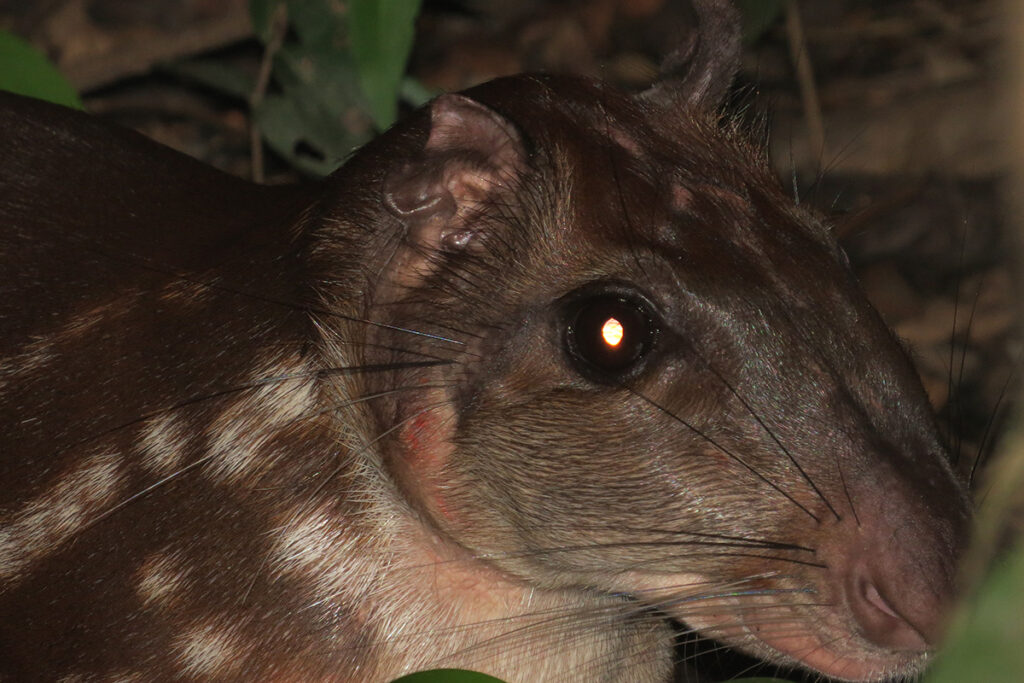
For many Indigenous and rural communities across the Amazon, wild meat is not just a cultural tradition—it is a vital source of food security and nutrition. However, the scale and sustainability of wild meat harvests remain poorly understood, particularly as environmental changes, economic pressures, and conservation policies influence local livelihoods.
Reliable data on hunting practices, species harvested, and the nutritional contribution of wild meat is essential for developing policies that balance conservation with food security. This project provides critical insights to inform sustainable management strategies while ensuring the well-being of Amazonian communities.
Duration
2022 – Present
Location
Amazon Biome
What we’re doing
This project examines the geographic extent, volumes, and nutritional value of wild meat harvested for subsistence across the Amazon. Using an extensive dataset of 441,336 animals hunted in 560 localities, we are:
1
Estimating annual extraction rates to understand the amount of wild meat harvested in the biome.
2
Assessing the contribution of wild meat to local diets, focusing on macro- and micronutrient intake.
3
Analysing species composition in subsistence hunting practices across different Amazonian regions.
4
Exploring the implications of wild meat for food security and conservation, aiming to guide policies that support both community livelihoods and biodiversity conservation.

The team
This project is a collaboration between leading conservation and research organizations, including:
CIFOR-ICRAF, REDEFAUNA, COMFAUNA, and Indigenous People and Local Communities representatives.
Project leads:



Supporters
This project is supported by