
The need
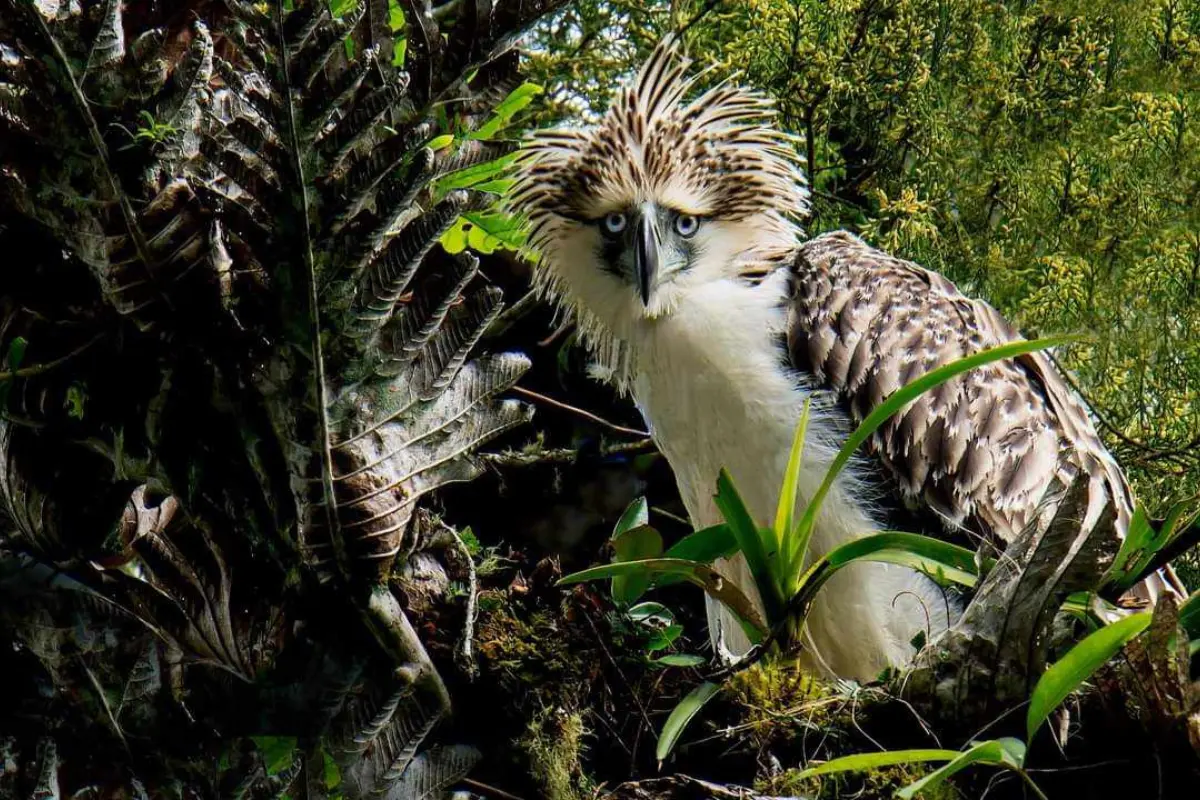
The Pantaron Mountain Range in Mindanao, Philippines, is valued for hosting Indigenous communities as well as rich endemic flora and fauna, such as the iconic Philippine eagle (Pithecophaga jefferyi).
However, the landscape is facing social, environmental, and climatic threats, mostly driven by deforestation and unsustainable cultivation practices in changing climate conditions. This leads to loss of habitat for key biodiversity and endemic species, including critically endangered Philippine eagles.
There is a need to improve local awareness of forest and biodiversity conservation, while increasing people’s knowledge and access to more sustainable livelihoods.
Duration
Ongoing
Locations
Philippines (San Fernando Municipality, Bukidnon province, Mindanao region)
What we’re doing
Nature’s Neighbours aims to strengthen co-existence between Indigenous Peoples and flagship species such as Philippine eagles by introducing sustainable livelihood and forest restoration options and enhancing local community awareness of and stewardship over biodiversity conservation. A key output of this work will be a community co-management plan, called the Community Conservation and Development Plan (CCDP), that combines strategies for ecological restoration, livelihood diversification and ancestral domain rights.
Activities are based in the Municipality of San Fernando in the province of Bukidnon, specifically areas covered by the Tigwahanon Indigenous and Cultural Community Ancestral Domain and the Kibongcog Tigwahanon Ancestral Domain. However, the main interventions introduced by the project, such as sustainable agroforestry practices, forest restoration options and integrated community co-management plans, are applicable across and beyond the Pantaron Mountain Range.
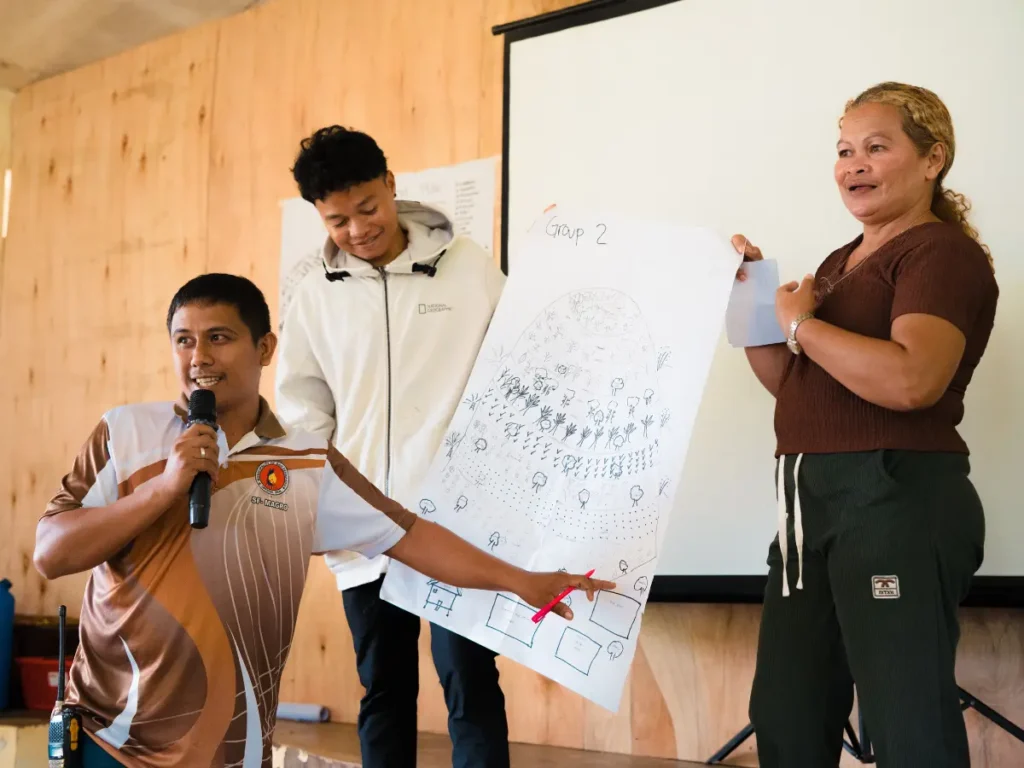
The project integrates scientific information with methodological frameworks and intervention plans. For example, researchers determined potential locations for forest restoration over the two ancestral domains using the least-cost path approach and participatory mapping with local stakeholders. The former helps ensure that the restored forests are located along the ‘safest pathways’ for the Philippine eagles to traverse from remaining forest areas in the ancestral domains into the Pantaron Mountain Range. The project also assesses the suitability of selected crop species such as coffee and cacao over the province to support a wider application of promoted agroforestry practices.
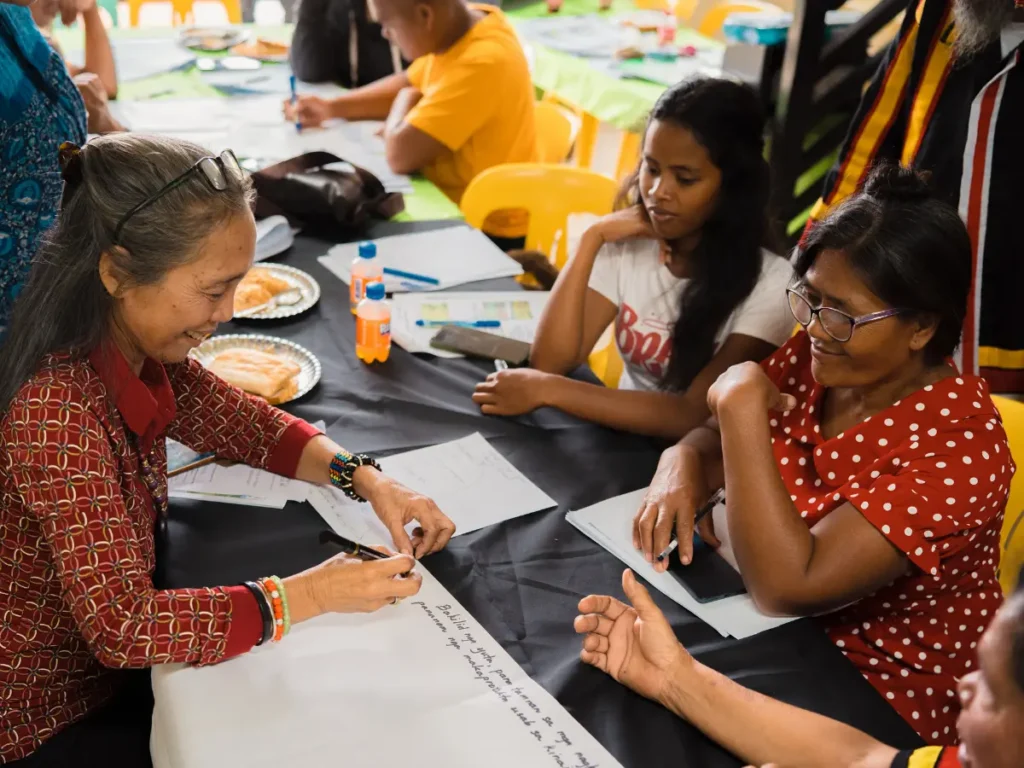
Capacity development activities of the project include both training-of-trainers (TOT) and training-of-farmers (TOF) on the key principles of agroforestry and forest restoration practices. In the first year of the project, the TOT activities involved 61 participants from different clan groups, indigenous co-researchers, the Municipal Agricultural Office, and the Municipal Environment and Natural Resource Office (of which 49% are women). The discussion during the training activities also touched on the different types of agroforestry practices and potential economic and ecological benefits that can be derived from such practices.
1
Strengthen co-existence between Indigenous Peoples and flagship species such as the Philippine eagle by introducing sustainable livelihood and forest restoration options and enhancing local community awareness of and stewardship over biodiversity conservation.
2
Introduce sustainable agroforestry practices, forest restoration options and integrated community co-management plans that are applicable across and beyond the Pantaron Mountain Range.
3
Carry out capacity development activities, including both training-of-trainers (TOT) and training-of-farmers (TOF) on the key principles of agroforestry and forest restoration practices.

The team
This Landscape Alliance project partners with Botanic Gardens Conservation International and the Philippine Eagle Foundation.
Leadership

Rachmat Mulia
Principal Investigator | Agroforestry and Sustainable Landscapes Scientist
Zarrel Gel Noza
Project Coordinator and Communication Specialist

Grace Ann Salvan
Landscape Governance and Economic Specialist

Erwin Albios
Site Coordinator and Agroforestry Field Specialist

Myron Alford Anarcon
Communication and Research Associate
Supporters