The need
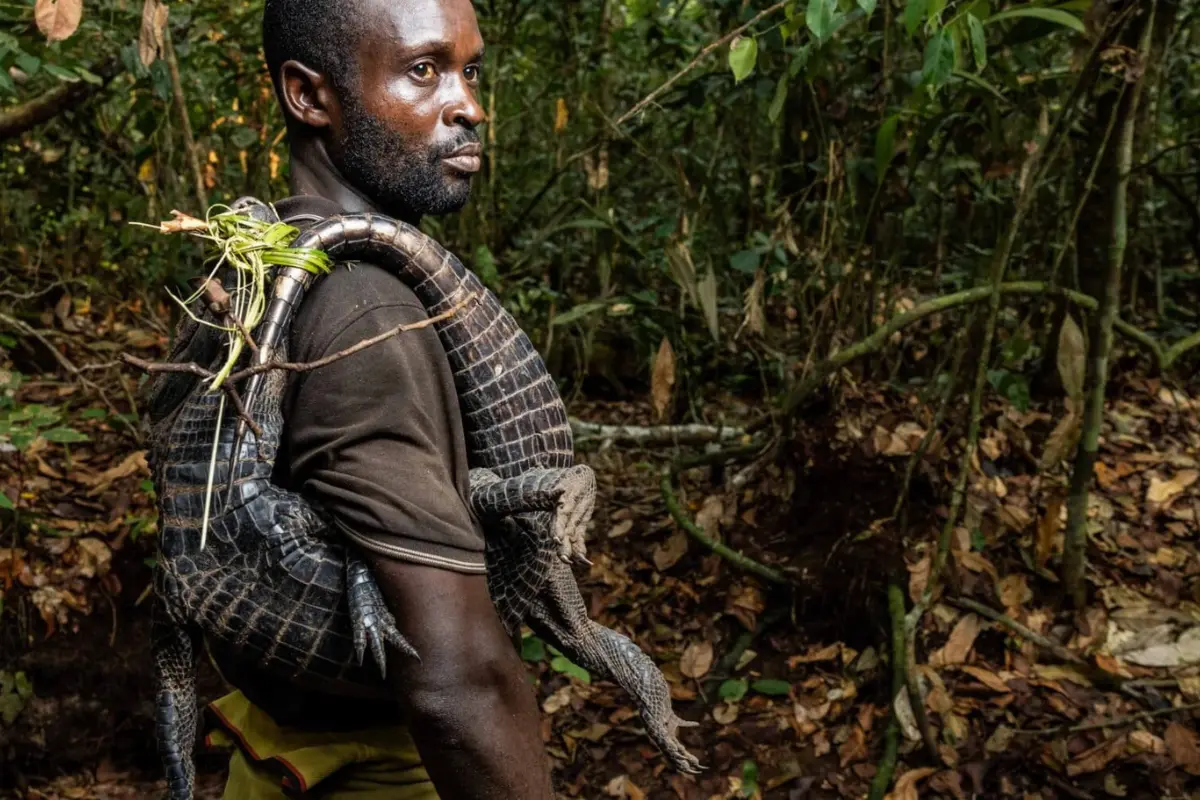
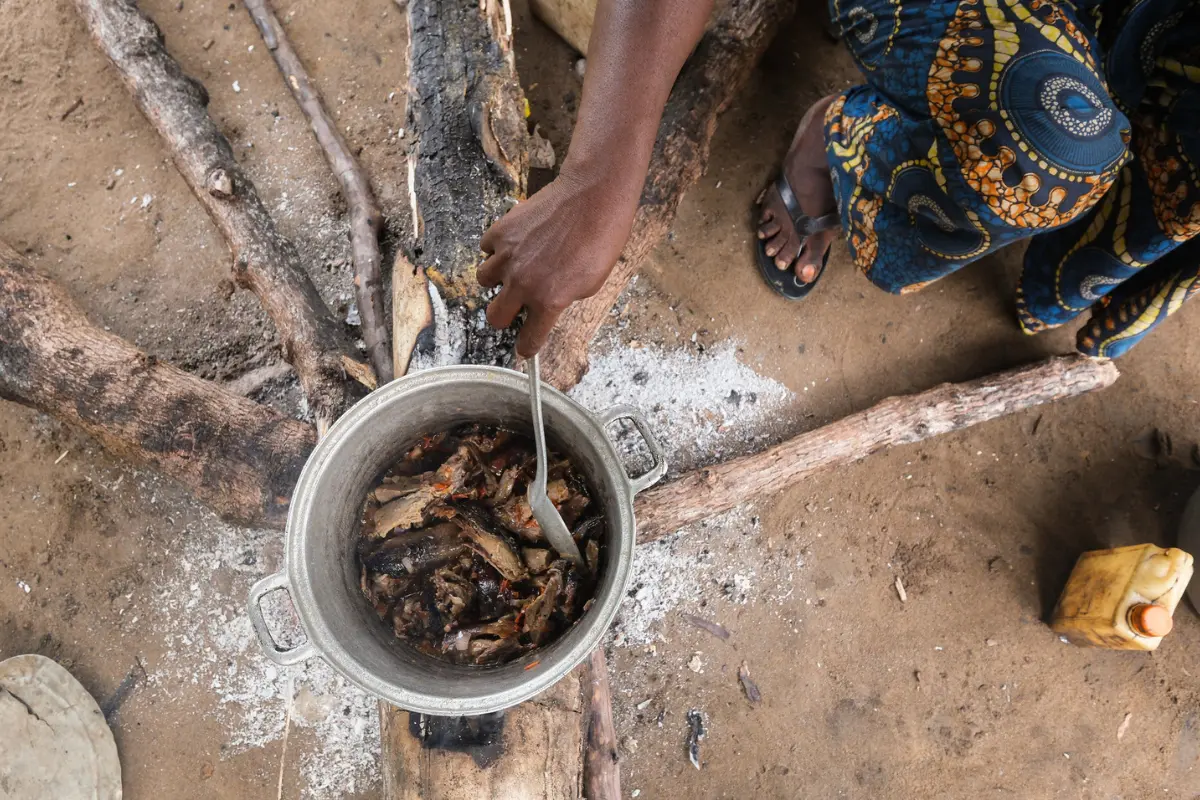
Wild meat consumption in urban areas of West and Central Africa is influenced by complex social, cultural, economic, and environmental factors. While often associated with rural subsistence, wild meat remains a popular dietary choice in cities, raising important questions about food security, conservation, and public health.
Understanding the drivers of urban wild meat consumption is crucial for developing effective policies that balance biodiversity conservation with food system sustainability. However, data on urban demand, trade networks, and consumer decision-making remain limited. This research provides critical insights to inform strategies that address both conservation concerns and local dietary and economic needs.
Duration
2023 – 2026
Location
Guinea, Liberia, Cameroon
What we’re doing
This research is part of the newly established Food and Nature Programme at University of Kent, which seeks to create sustainable food systems that benefit both people and the environment. This collaborative research programme integrates conservation science, environmental psychology, behavioural science, food systems science, and health studies to quantify and analyse urban wild meat consumption and trade. Key activities include:
1
Surveying over 12,000 urban residents across Guinea, Liberia, and Cameroon to assess consumption patterns.
2
Using dietary intake surveys and mobile-phone surveys to capture real-time data on wild meat consumption.
3
Conducting choice experiments to understand consumer preferences and the motivations behind wild meat purchases.
4
Mapping food environments to explore how accessibility and availability influence consumption decisions.
5
Analysing socio-cultural, economic, health, and spatial factors that shape urban demand for wild meat.
This research also explores the barriers to understanding and communicating zoonotic disease risks associated with wild meat by:
- Examining challenges in risk perception and communication among different stakeholders, including policymakers, researchers and communities.
- Assessing knowledge gaps in how zoonotic spillover risks are understood in different contexts.
- Exploring the effectiveness of risk communication strategies to ensure clear, science-based messaging.
- Providing recommendations for improving public health messaging and conservation policies related to wild meat and zoonotic diseases.

The team
This project is a collaboration between:
University of Kent, ABOYERD, University of Yaoundé, Guinée Ecologie, ISAV and Society for the Conservation of Nature Liberia (SCNL)
Project lead:
Daniel Ingram
Supporters
This project is supported by UK Research and Innovation (UKRI).