The need
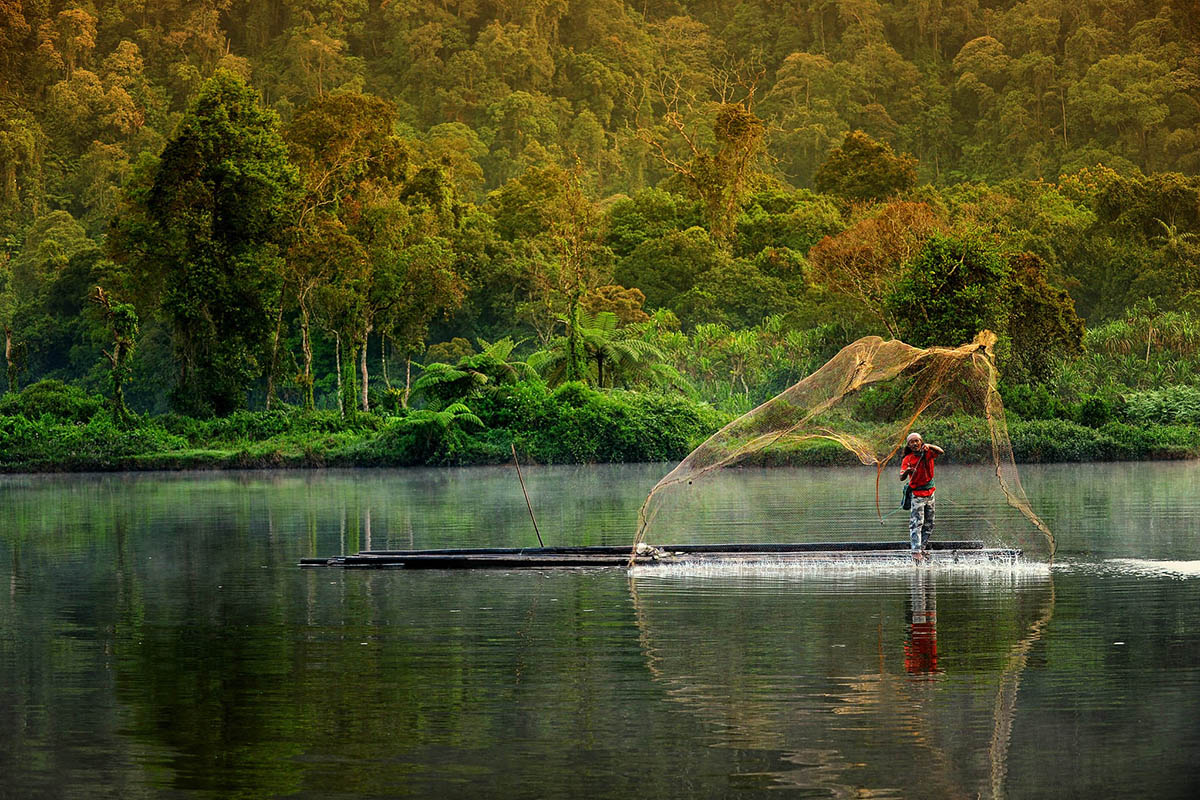
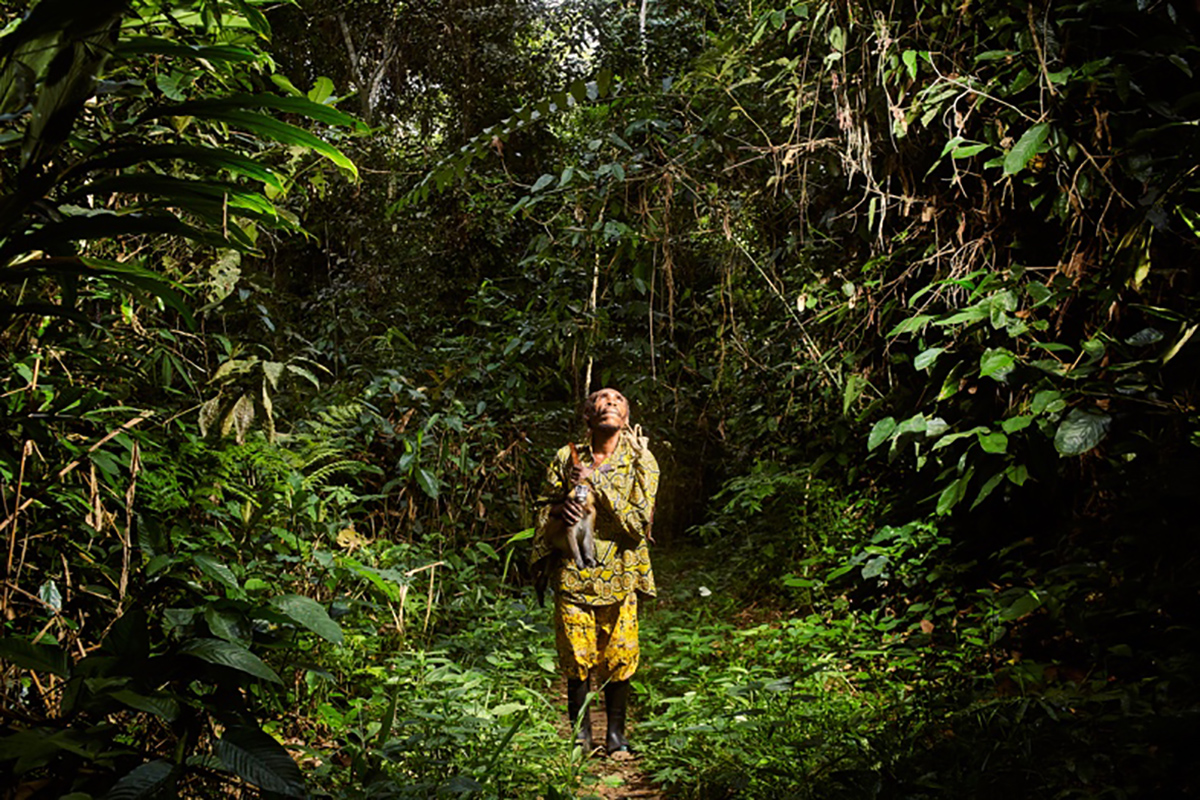
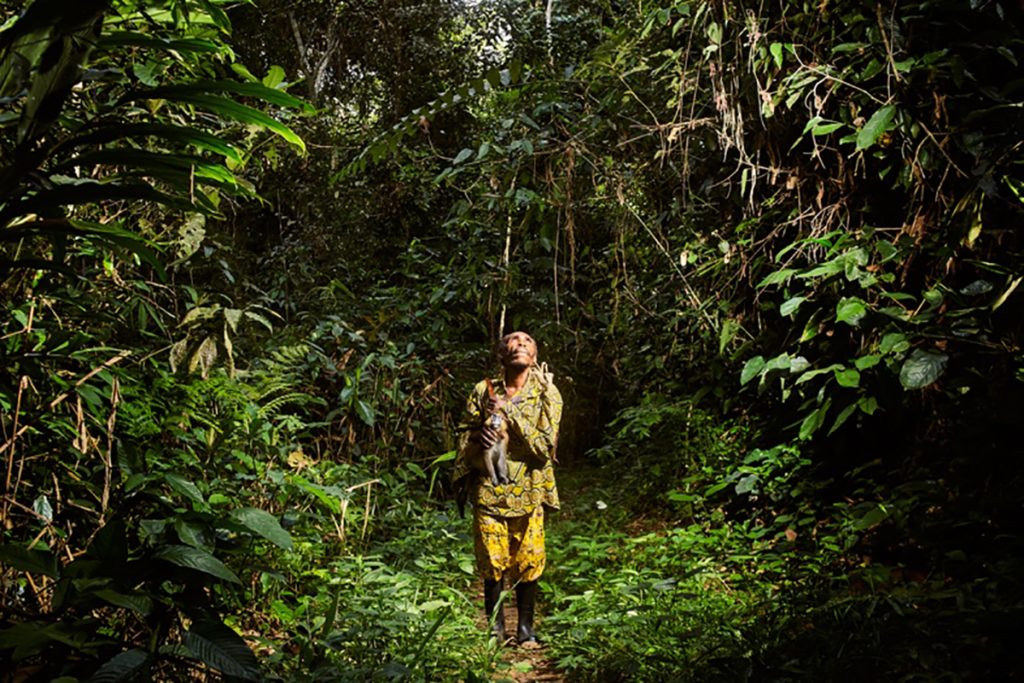
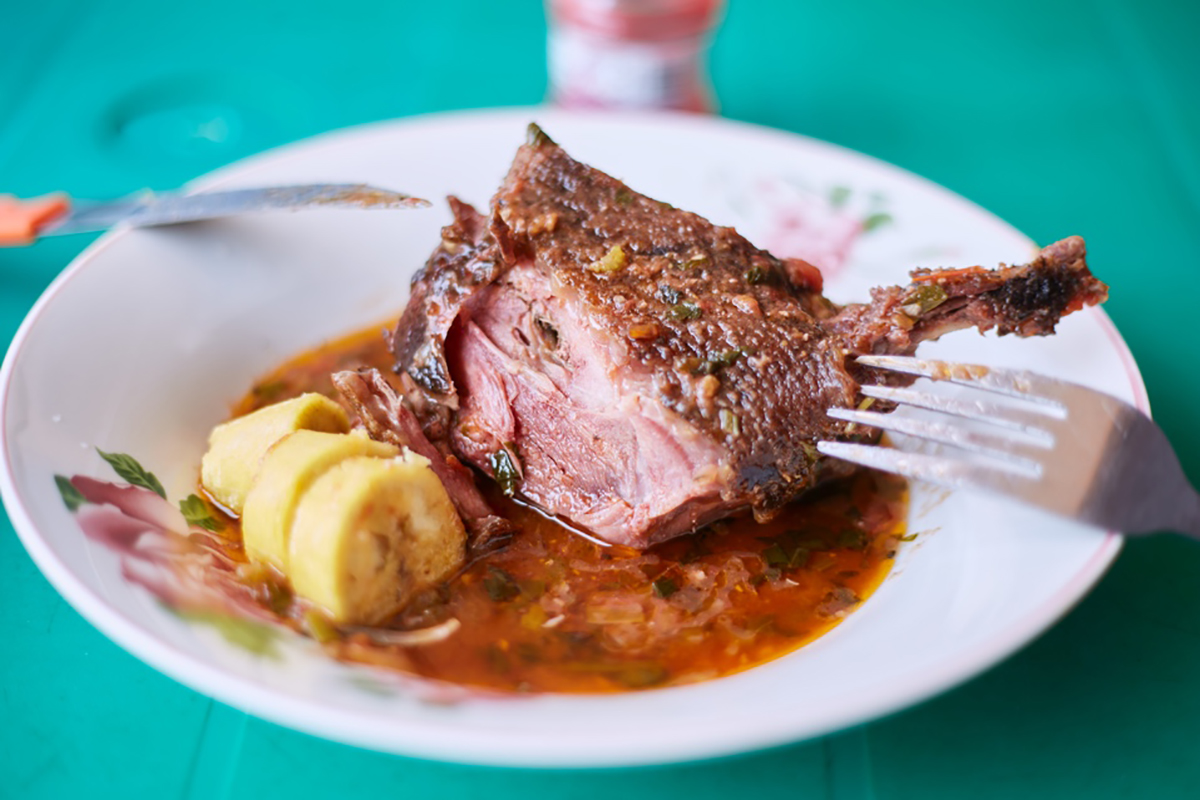
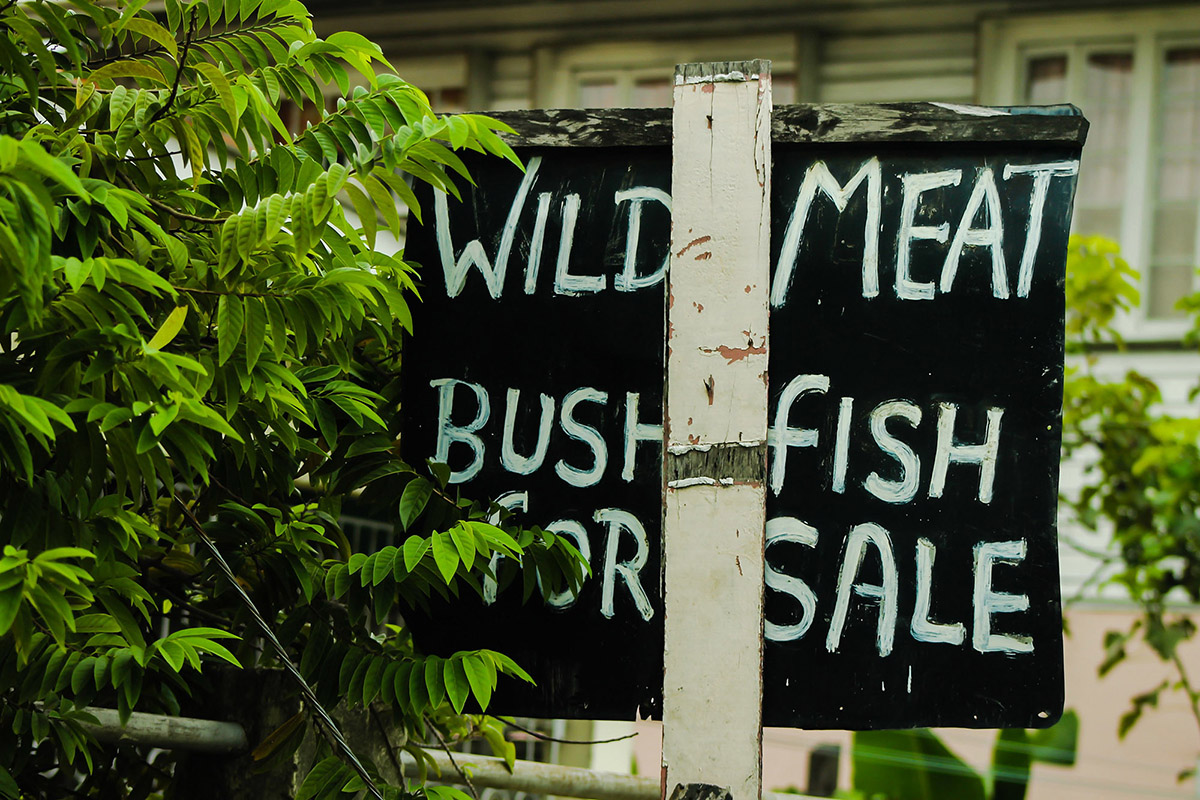
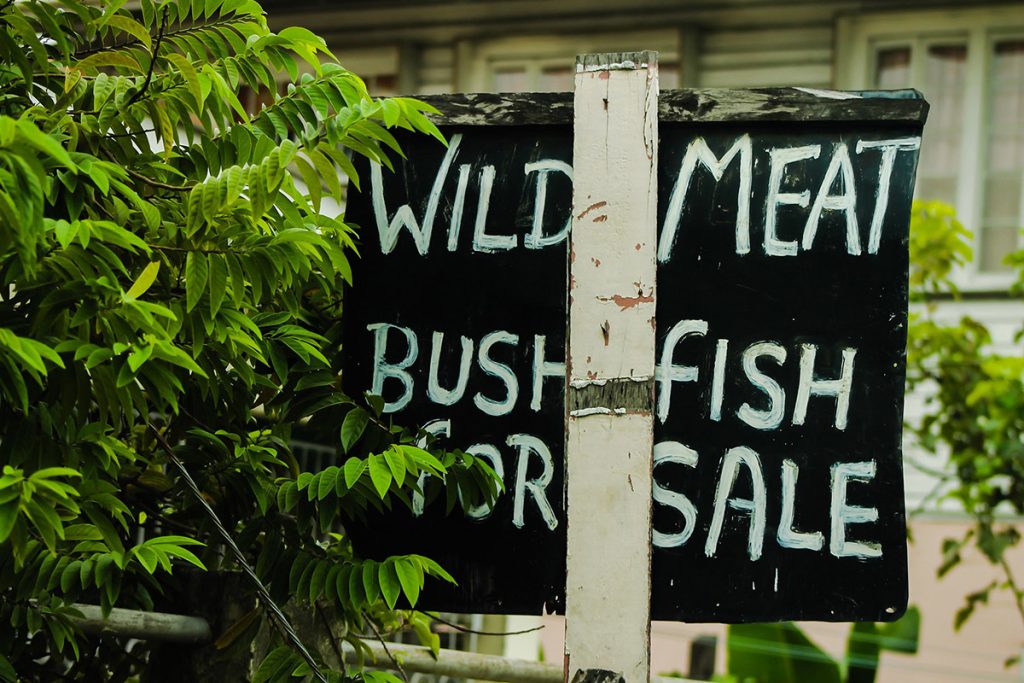
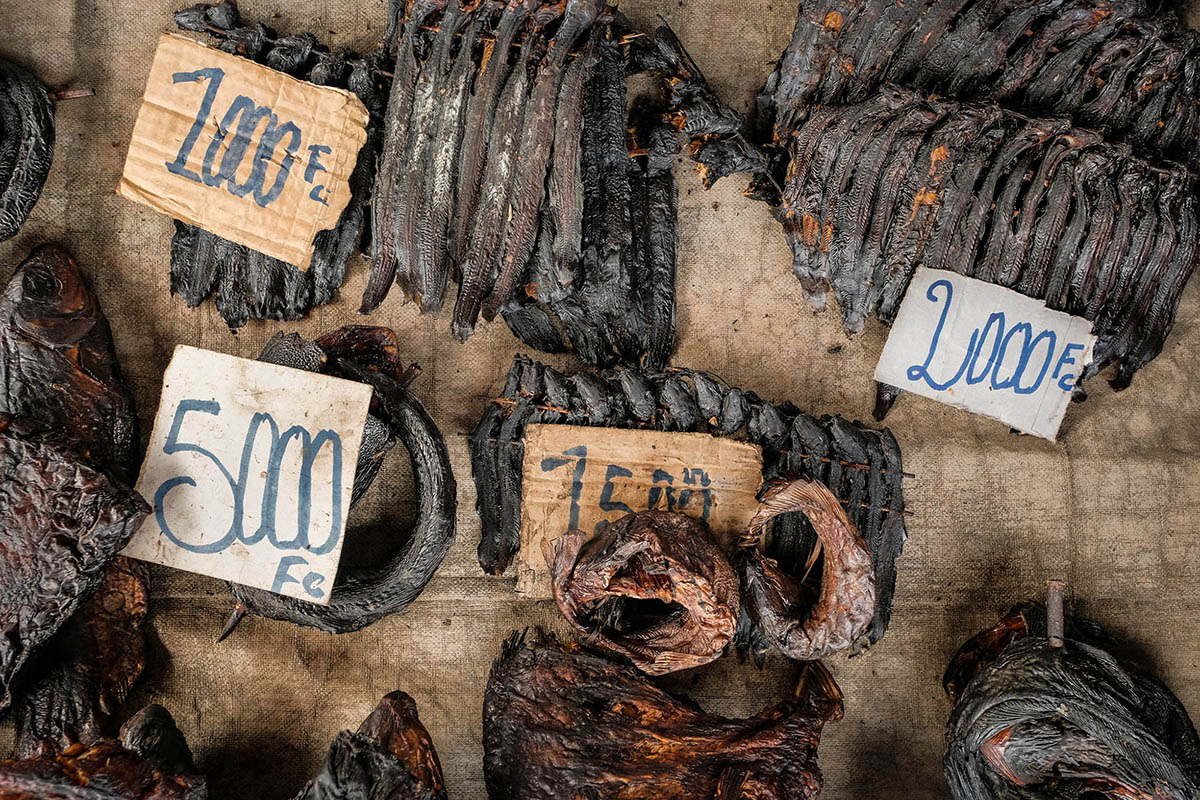
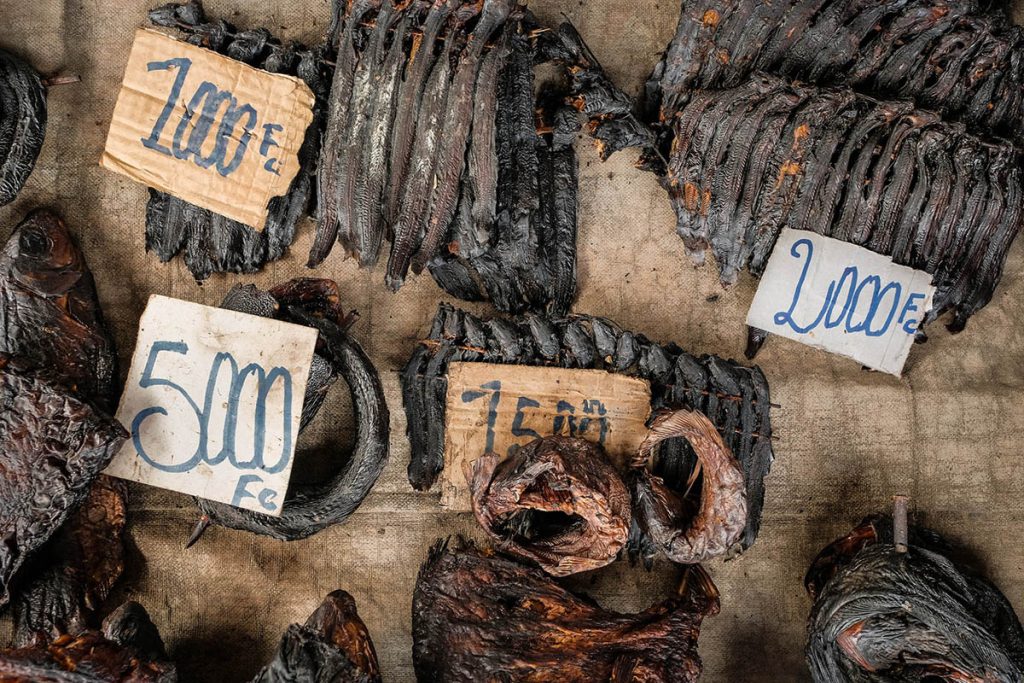
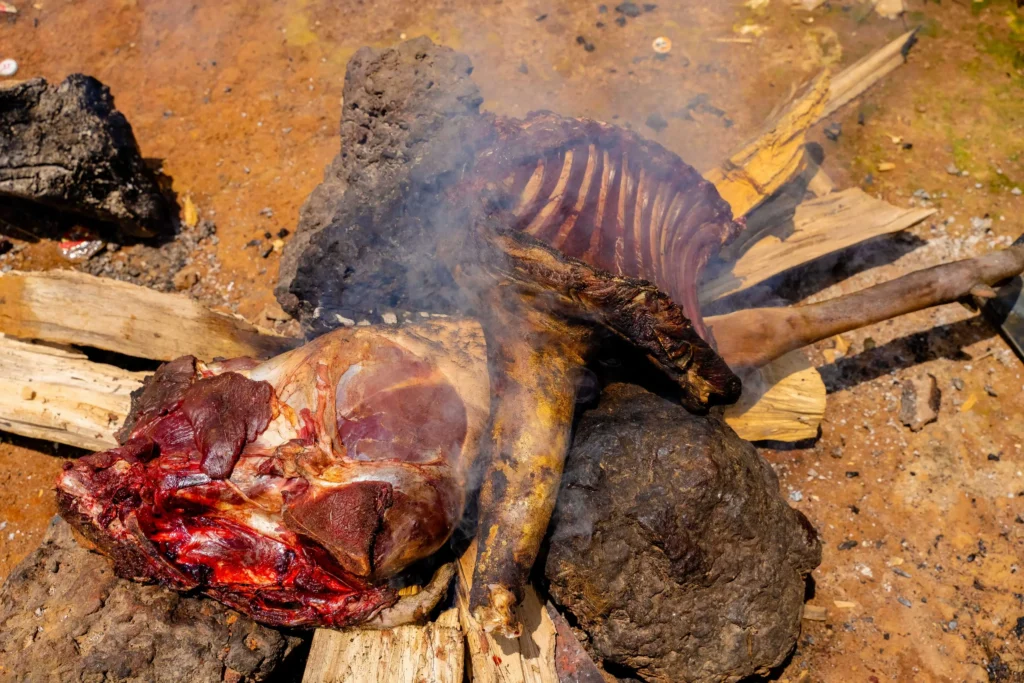
Wild meat is a vital source of food and income for millions, particularly Indigenous Peoples and local communities in tropical and subtropical regions. But unsustainable hunting is driving wildlife declines, putting around over 300 mammal species at risk of extinction and threatening both ecosystems and rural food security.
Duration
2018 – Present
Locations
Botswana, Cameroon, Chad, Democratic Republic of the Congo (DRC), Gabon, Guyana, Laos, Madagascar, Mauritania, Namibia, Papua New Guinea (PNG), Republic of the Congo, Senegal, Vietnam, Zambia and Zimbabwe
Links
About the SWM Programme
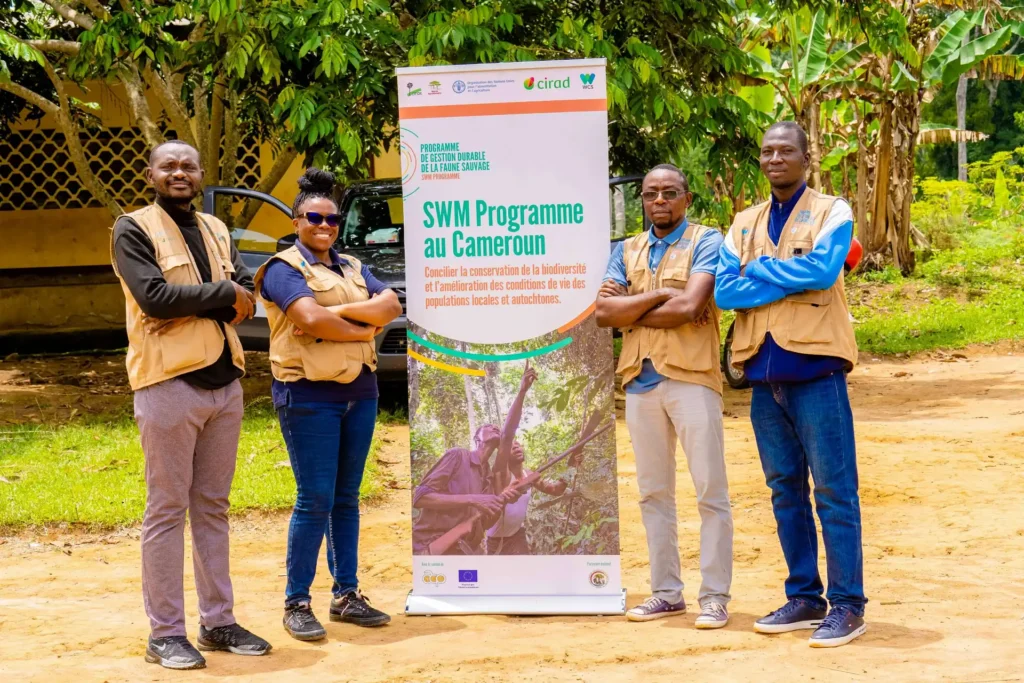
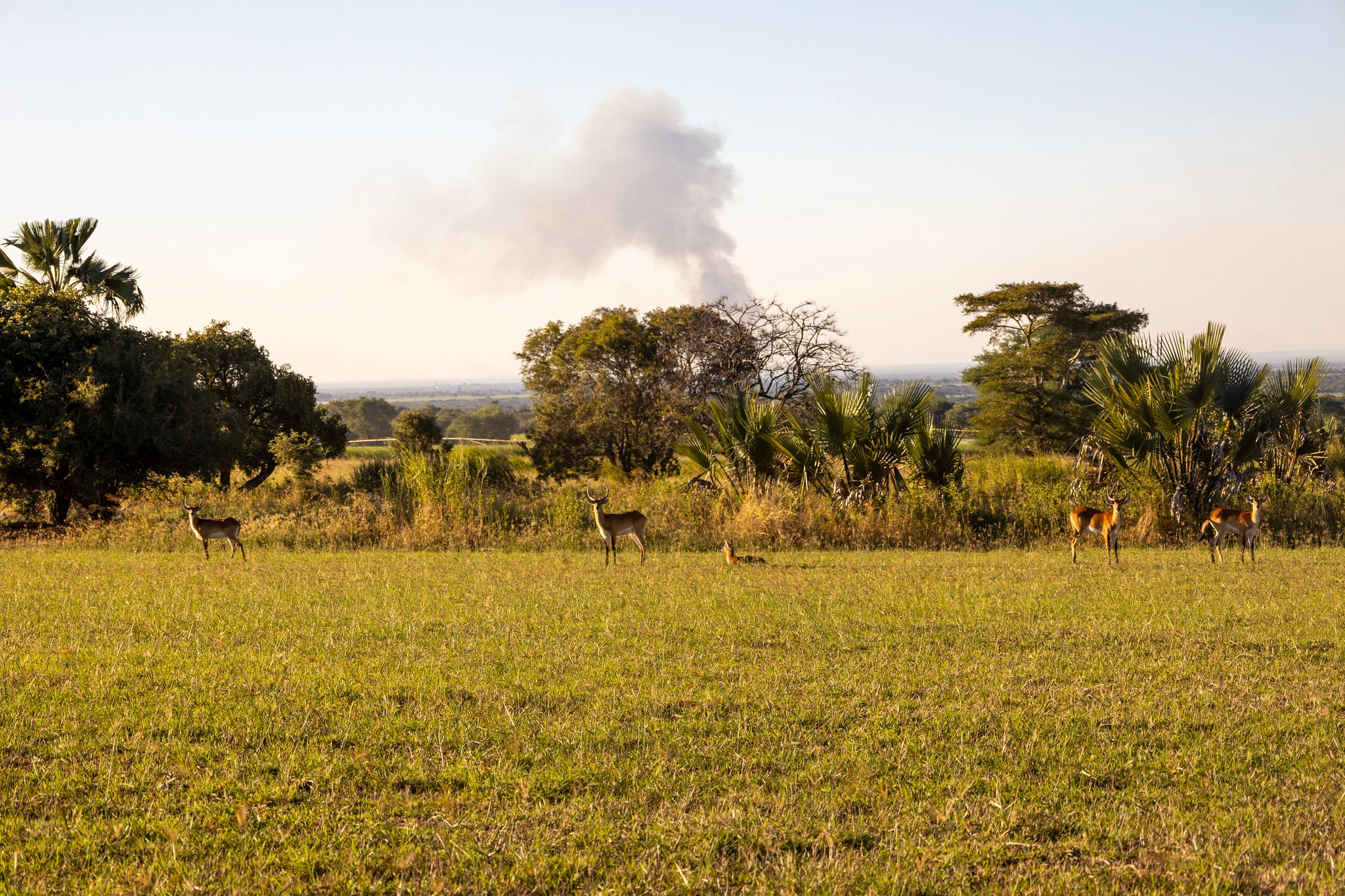
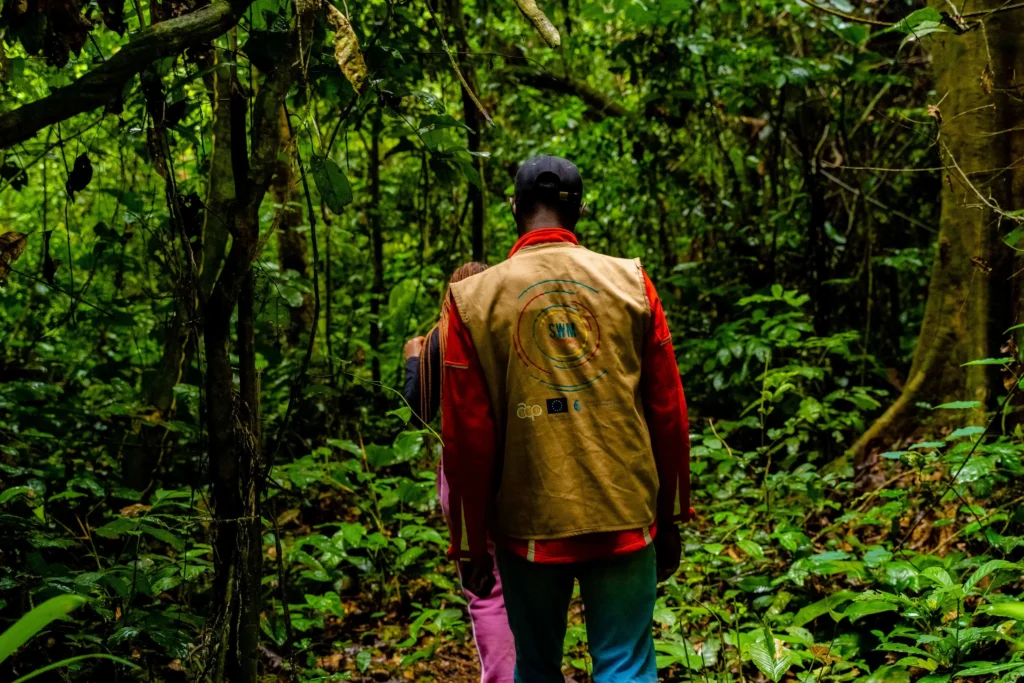
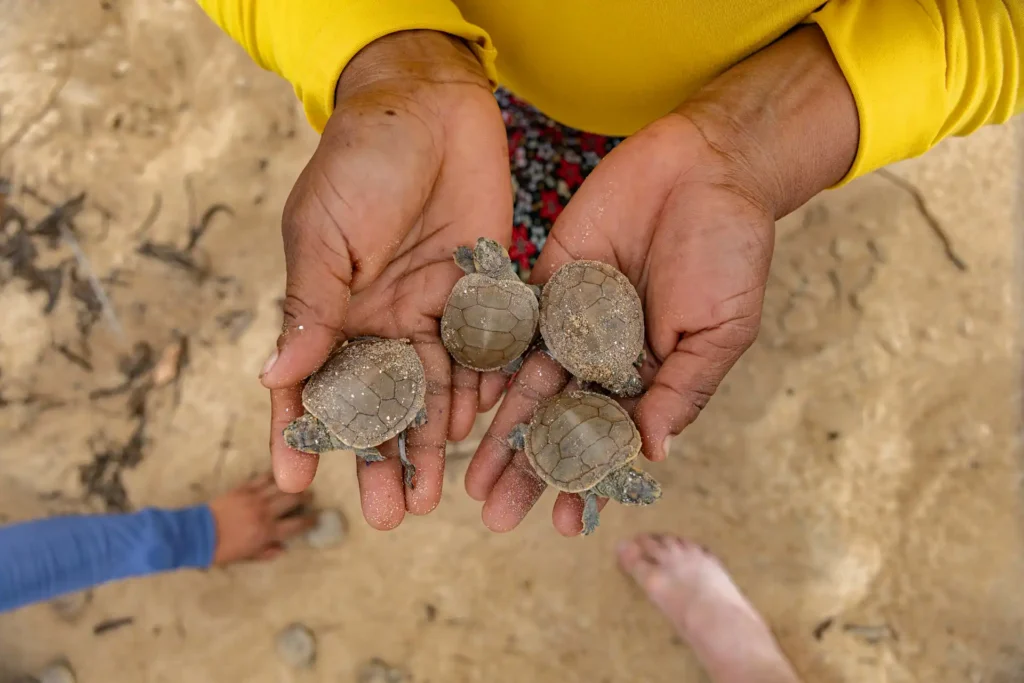
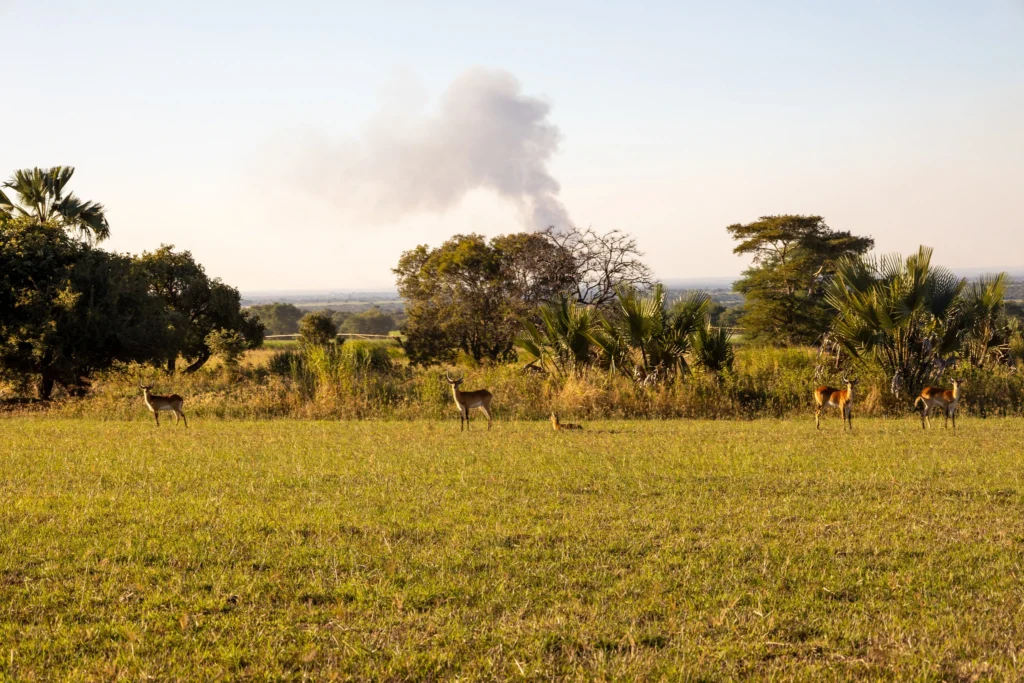
The Sustainable Wildlife Management (SWM) Programme aims to improve the conservation and sustainable use of wildlife in forest, savannah, and wetland ecosystems.
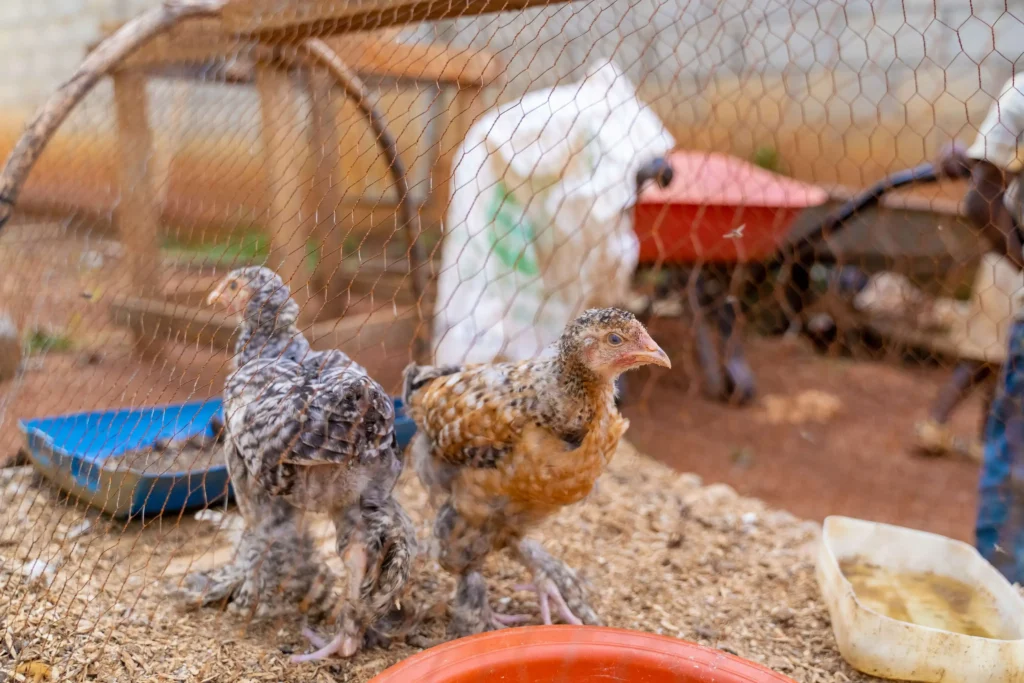
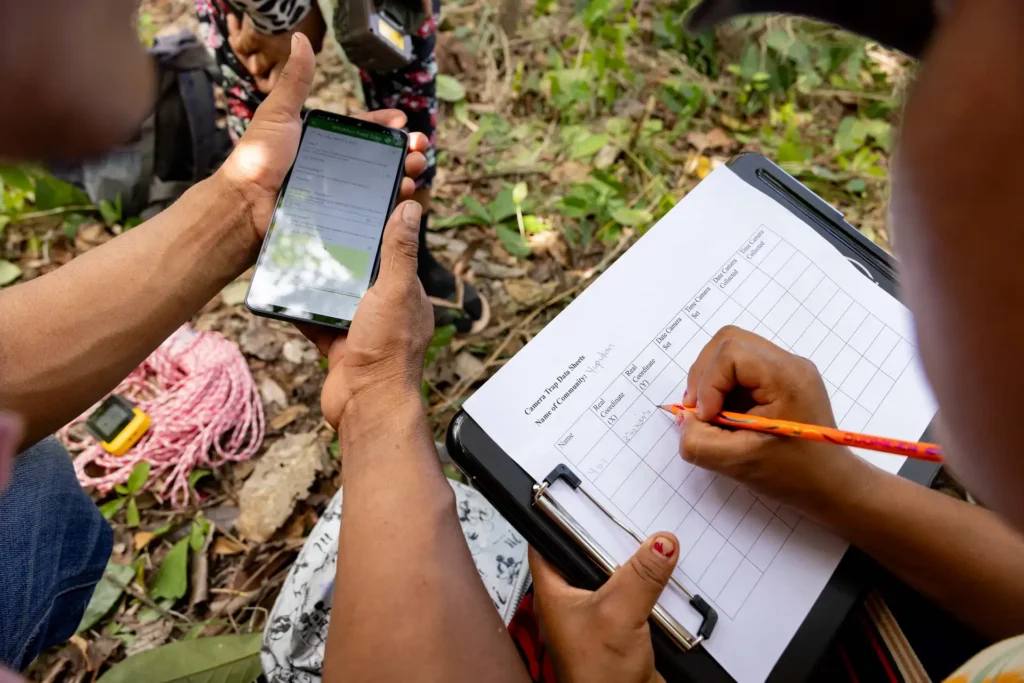
Working in 16 countries across four consortium partners, the Programme blends science, traditional knowledge and community rights to strengthen natural resource management while partnering with Indigenous Peoples and local communities to develop context-specific solutions.
The SWM Programme is also engaged in international policy work, contributing to the Convention on Biological Diversity (CBD), the Convention on the Conservation of Migratory Species of Wild Animals (CMS), the Ramsar Convention on Wetlands of International Importance and the implementation of the African-Eurasian Migratory Waterbird Agreement (AEWA).
What we’re doing
The Sustainable Use of Wild Species Transformative Partnership Platform (SU-TPP) and the SWM Programme share a common vision: advancing evidence-informed approaches to sustainable wildlife management that deliver biodiversity conservation, food security and resilient livelihoods.
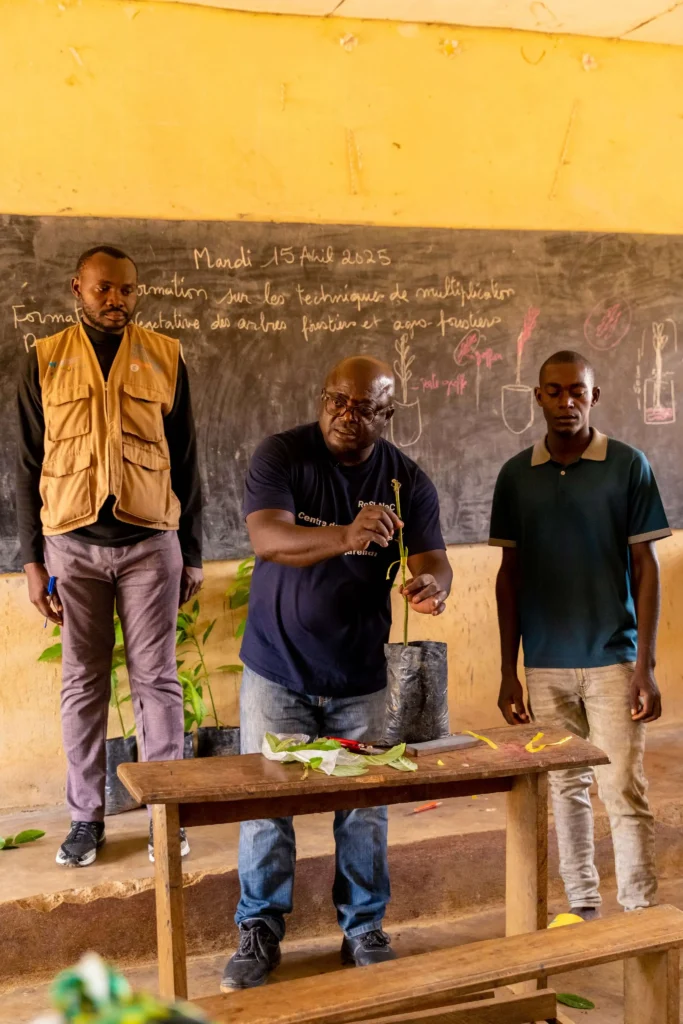
This collaboration is supported through Center for International Forestry Research and World Agroforestry (CIFOR-ICRAF)—SU-TPP’s host and a consortium partner in the SWM Programme—which enables joint work at SWM sites in Asia-Pacific, Cameroon, the Democratic Republic of the Congo, Guyana and Zambia.

The team
This SWM Programme is implemented by a consortium of four organizations:
CIFOR-ICRAF project lead
Featured work
Supporters
This project is funded by the European Union and contributes to the European Global Gateway and NaturAfrica initiative. The SWM Programme is co-funded and supported by the French Global Environmental Facility (FFEM) and the French Development Agency (AFD).