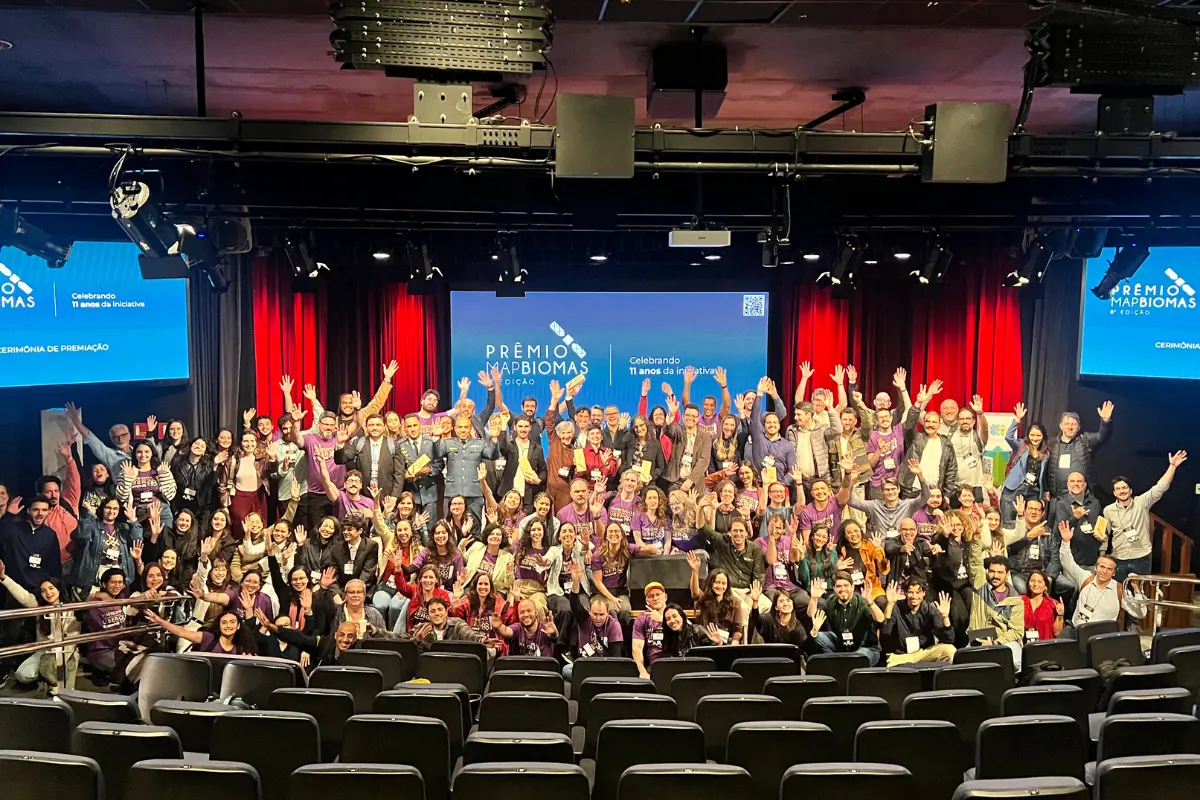
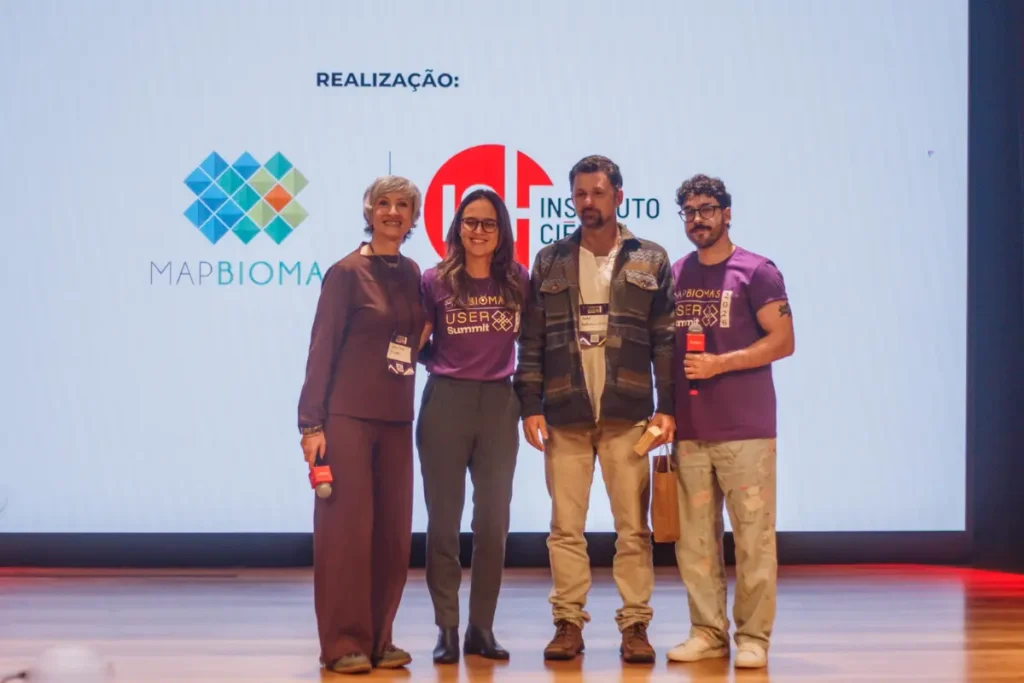
Attendees of the MapBiomas Brasil award ceremony 2026 in São Paulo. Photo provided by André Antunes.
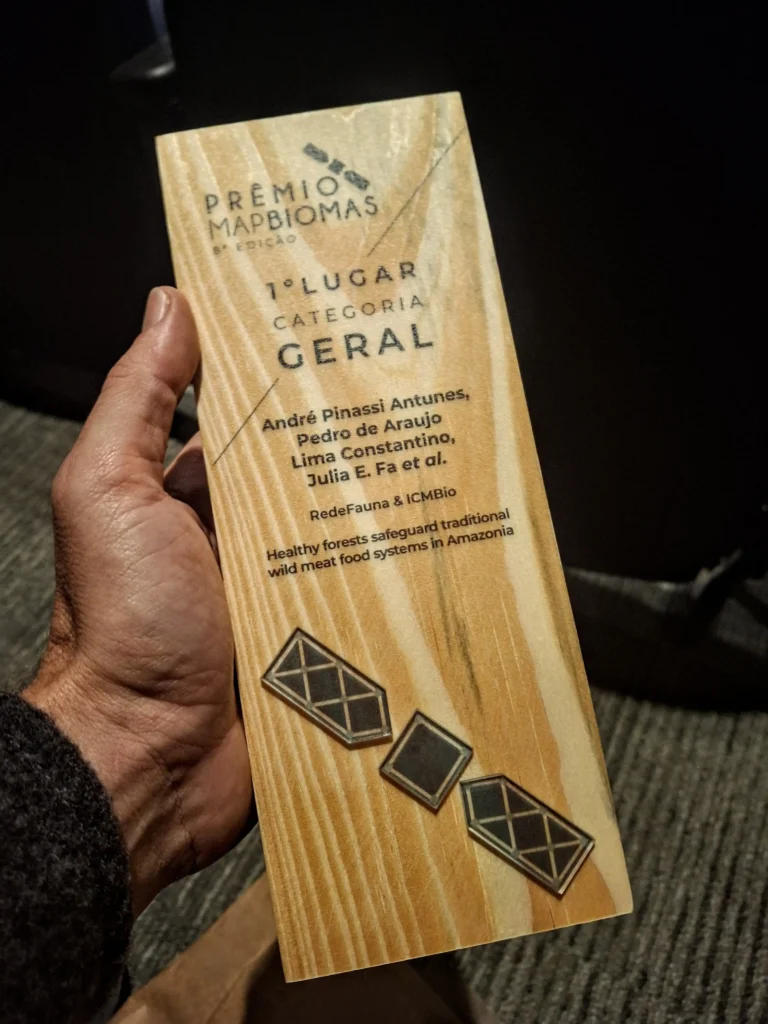
July 2026 — A team of scientists linked to the Sustainable Use of Wild Species Transformative Partnership Platform (SU-TPP) won the first place MapBiomas Brasil award (general category) for their article published in Nature: Healthy forests safeguard traditional wild meat food systems in Amazonia.
The prize recognizes scientific works that make use of MapBiomas data.
This winning paper is a collaboration between nearly 50 institutions and Indigenous organizations, including steering members of the SU-TPP: Landscape Alliance, Rede de Pesquisa em Conservação, Uso e Manejo da Fauna da Amazônia (RedeFauna), Manchester Metropolitan University (MMU), and University of Oxford.
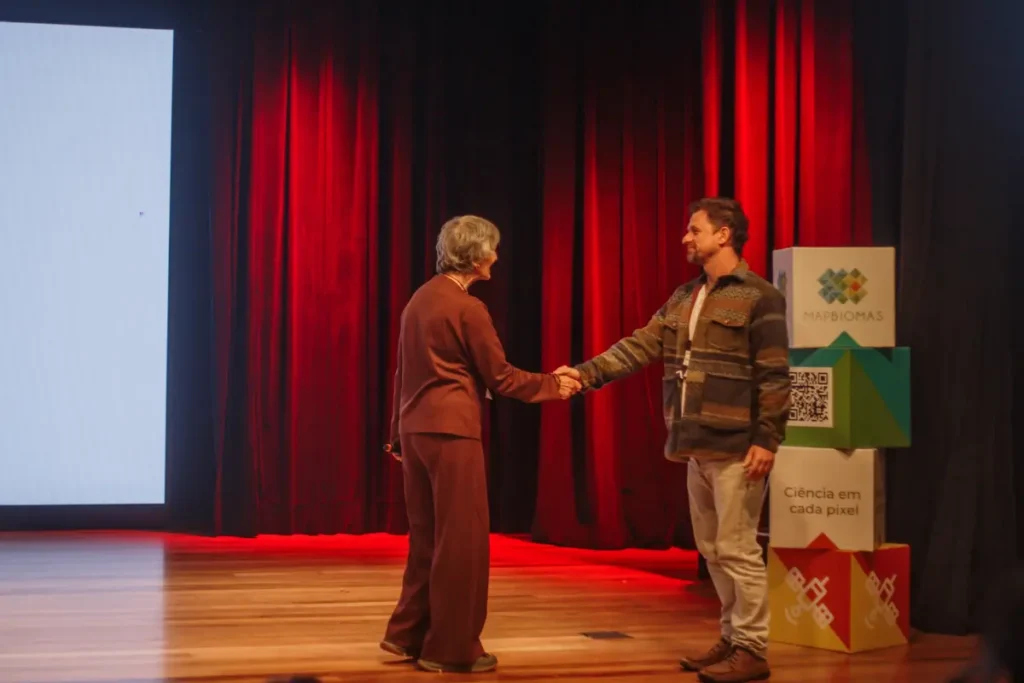
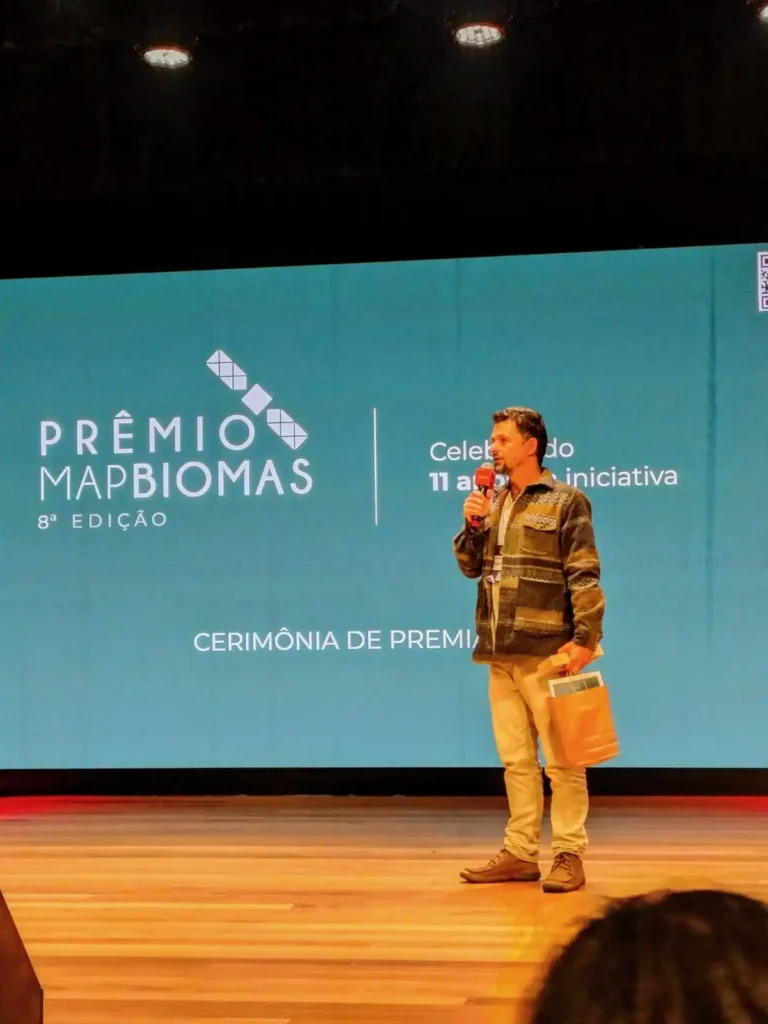
Lead author, André Antunes, accepted the award on behalf of the entire team in São Paulo, Brazil, earlier this month.
“This study confirms that wild meat is not only a vital source of protein and micronutrients — it is the backbone of food security for millions of Amazonian residents. Protecting forests means protecting nutrition, livelihoods, and cultural heritage.” — André Antunes, lead study author
Why it matters
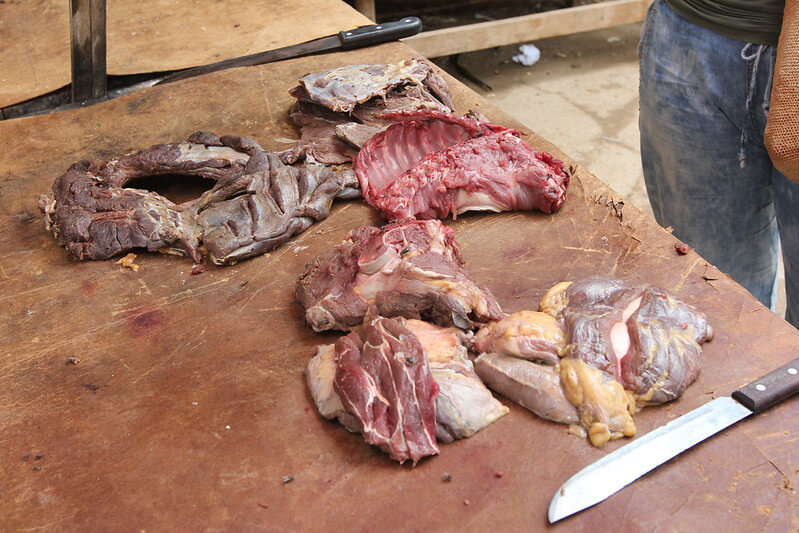
The MapBiomas award is one more recognition of this landmark study, which is “the first large-scale effort to map wild meat hunting across the entire Amazon,” according to Hani Rocha El Bizri, study author and lead coordinator of the SU-TPP.
Drawing on data from more than 600 communities spanning almost six decades, scientists demonstrated that wild meat is vital for the food security and nutrition of 11 million rural Amazonians. It is also a foundation of cultural identity and territorial rights for Indigenous People, traditional communities and smallholder farmers.
“Studies such as this, which highlight the importance of the use and sustainable management of wildlife for our peoples, are in full alignment with our efforts to preserve the traditional relationship we maintain with nature. The results of this research have the potential to strengthen our debate at national and Amazonian scales, reinforcing the need to protect our territories for the continuity of our sustainable traditional practices, which are essential for the food security and nutritional well-being of our peoples.” — Statement from the Coordination of Indigenous Organizations of the Brazilian Amazon (COIAB)
MapBiomas data specifically were used to calculate the proportion of habitat loss from deforestation.
What’s next?
The prize comes with a financial reward of BRL 15,000 (about USD 3000), which will be used to purchase field equipment for ongoing research.
Visit the project page on “Wild meat food systems in the Amazon” to learn more.