The need
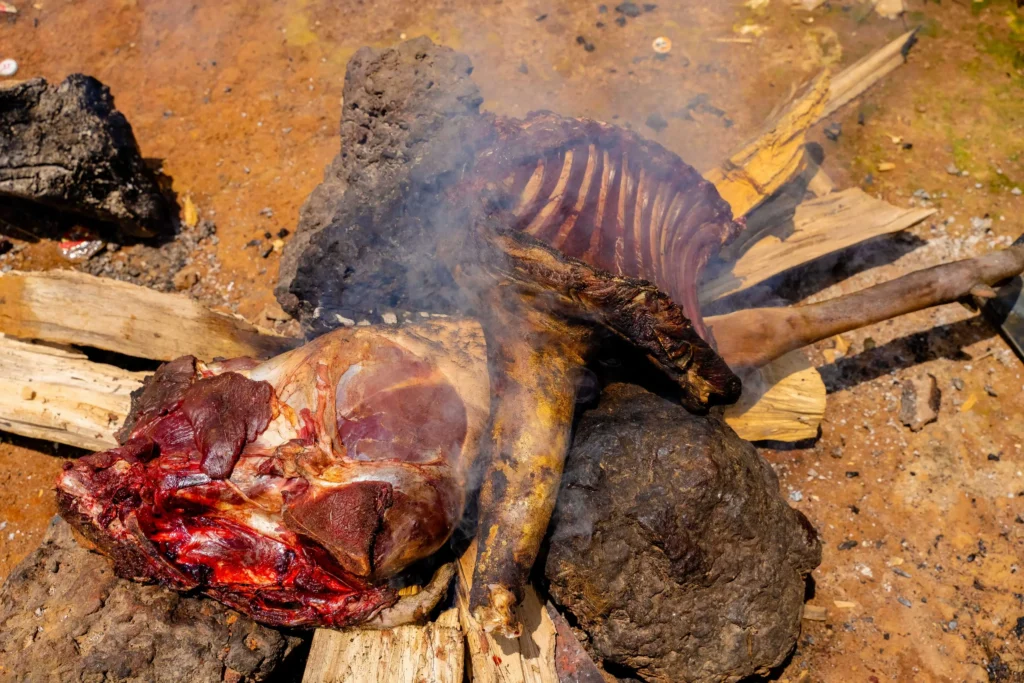
In southern Cameroon, Baka and Bantu communities depend heavily on wild meat for food security, nutrition, and income. However, increasing sedentarisation, agricultural expansion, and growing external demand for wild meat are intensifying hunting pressure on wildlife populations. Food insecurity and limited access to alternative protein sources exacerbate reliance on wild meat. At the same time, tenure insecurity and marginalisation mean that Indigenous communities often lack a meaningful voice in wildlife governance.
These pressures have contributed to biodiversity decline, heightened human–wildlife conflict, and worsened health risks linked to poor sanitary practices in wild meat handling.
Ensuring the sustainable use of wildlife is therefore crucial for conserving biodiversity and supporting local livelihoods, improving health, and advancing social equity in Cameroon.
Duration
2023 – Present
Location
Cameroon (Djoum-Mintom, South Region, TRIDOM landscape)
Link
What we’re doing
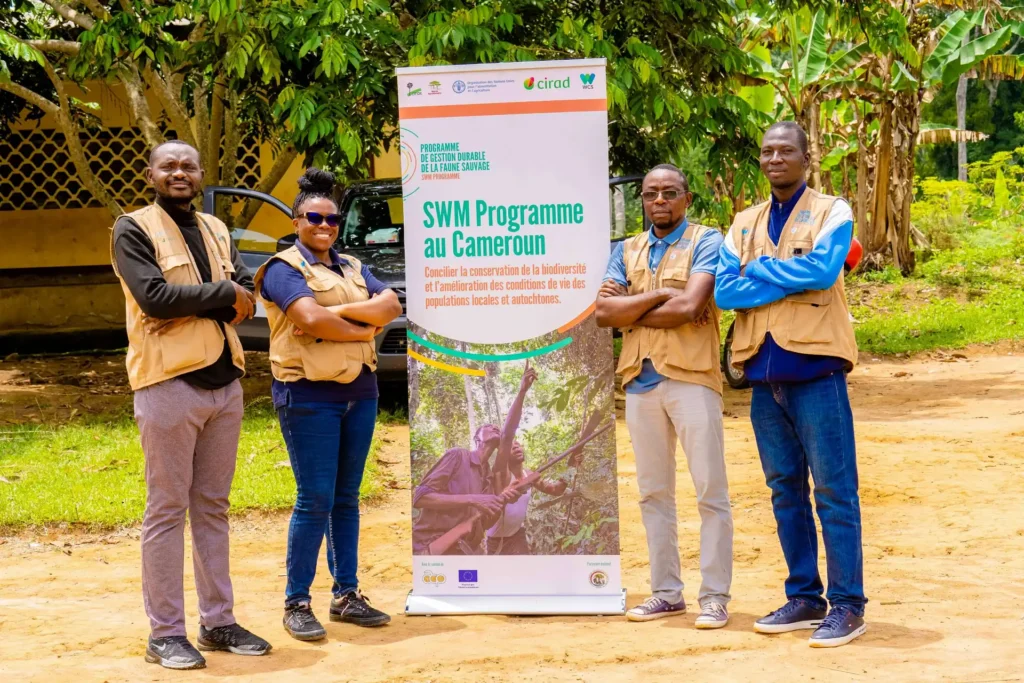
The SWM Programme is designed to reduce hunting of wildlife to sustainable levels, protecting endangered wildlife species, conserving biodiversity, maintaining the essential ecological roles of wildlife within forested and savanna ecosystems, and securing stocks and flows of provisioning ecosystem services.
The project works in 16 countries, developing innovative, collaborative and scalable new approaches to conserve wild animals and protect ecosystems, whilst at the same time improving the livelihoods of indigenous peoples and rural communities who depend on these resources. Monitoring and evaluation are key for the project, and each of the project sites have already collected baseline information on wild meat use. The project is also monitoring the impacts of project interventions on people and wildlife.
This project strengthens inclusive, community-led wildlife management in the Djoum-Mintom landscape. Building on rights-based approaches, it works with both Baka and Bantu communities to:
1
Secure community rights through Free, Prior and Informed Consent (FPIC).
2
Promote gender equity and inclusion in wildlife governance.
3
Develop and implement participatory hunting management plans.
4
Ensure sustainable harvest of resilient species while protecting vulnerable ones.
5
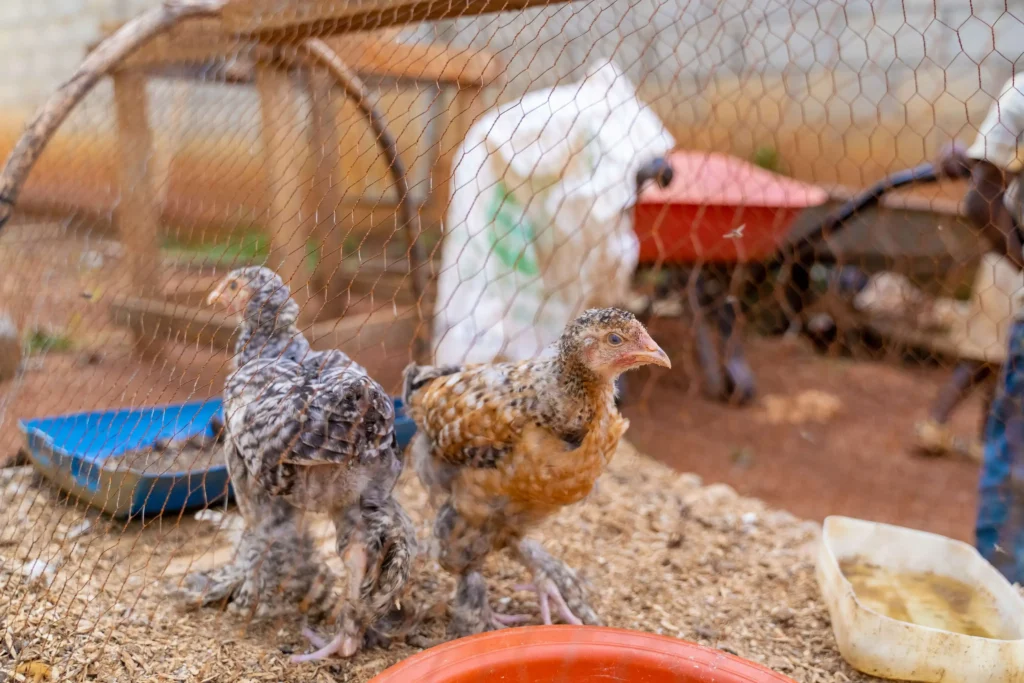
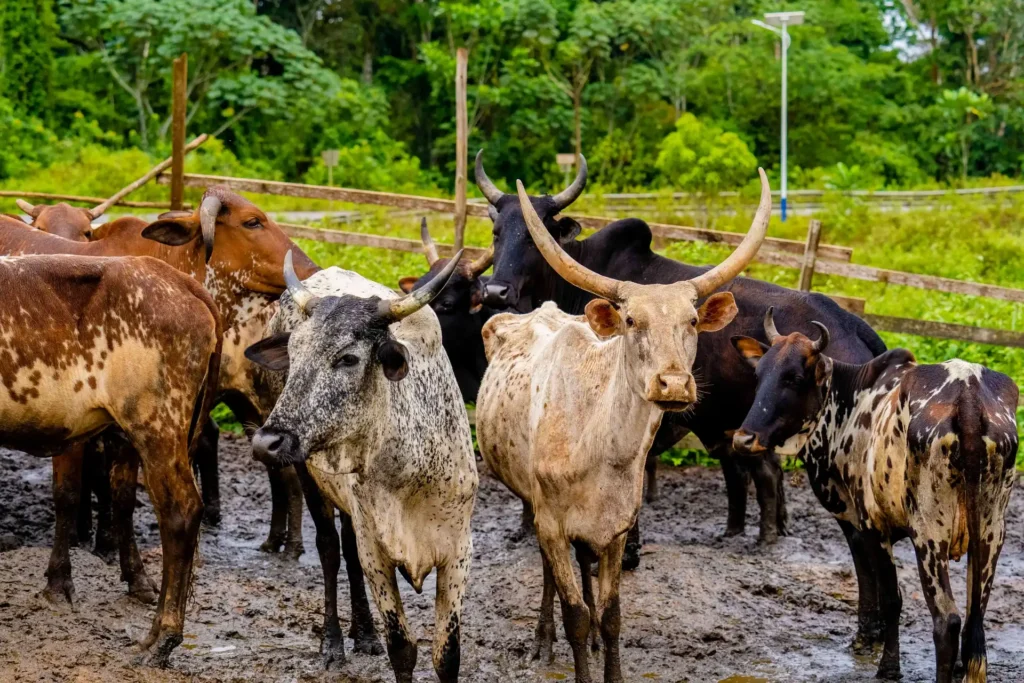
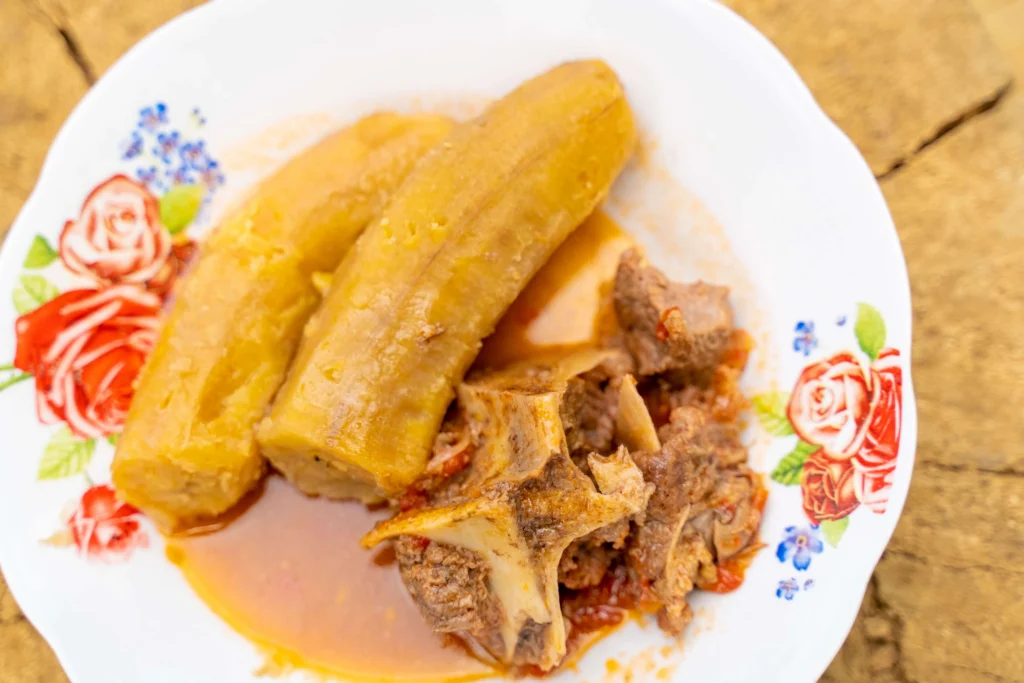
Support access to alternative protein sources to reduce pressure on wildlife.
6
Improve food safety through training on hygienic wild meat handling and a One Health approach to zoonotic risk.
7
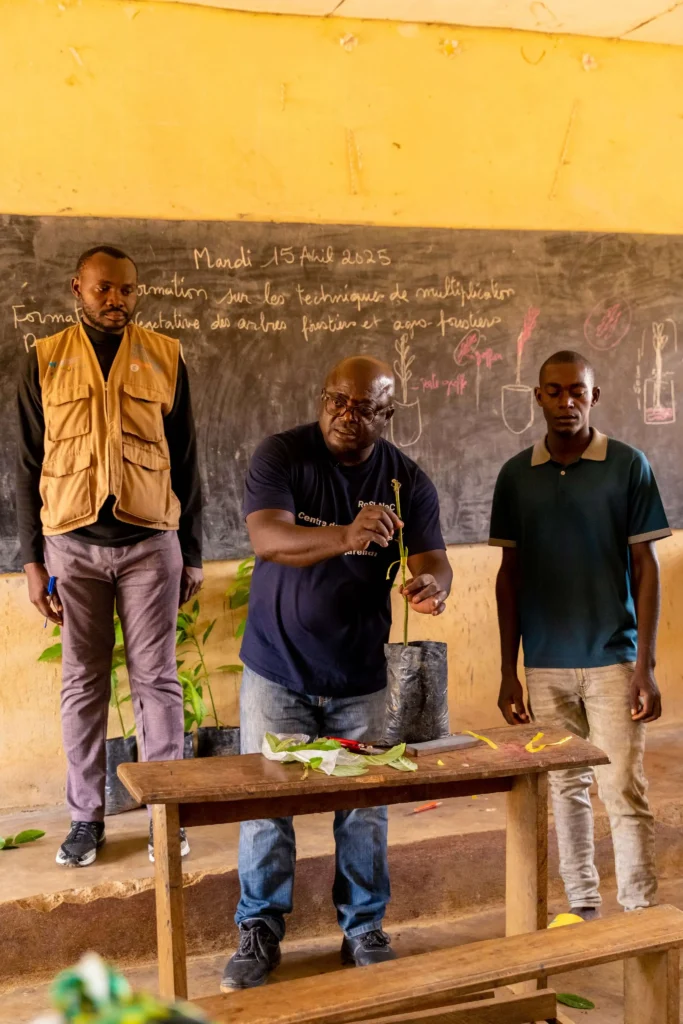
Strengthen community capacity in monitoring and decision-making.
8
Facilitate behaviour change campaigns to encourage sustainable consumption.

The team
The SWM Programme is implemented by a consortium of partners working together with governments and local communities, including the:
- Food and Agriculture Organization of the United Nations (FAO)
- French Agricultural Research Centre for International Development (CIRAD)
- Center for International Forestry Research and World Agroforestry (CIFOR-ICRAF)
- Wildlife Conservation Society (WCS)
This project is led by CIFOR-ICRAF in close collaboration with Cameroon’s Ministry of Forestry and Wildlife (MINFOF), and supported by a network of partners including Zoological Society of London (ZSL), African Wildlife Foundation (AWF), World Wide Fund for Nature (WWF), ZyL, and EU NaturAfrica initiatives, as well as SNAPP and GIZ-funded projects.
Project leads:
Featured work
Supporters
This project is supported by