
The need
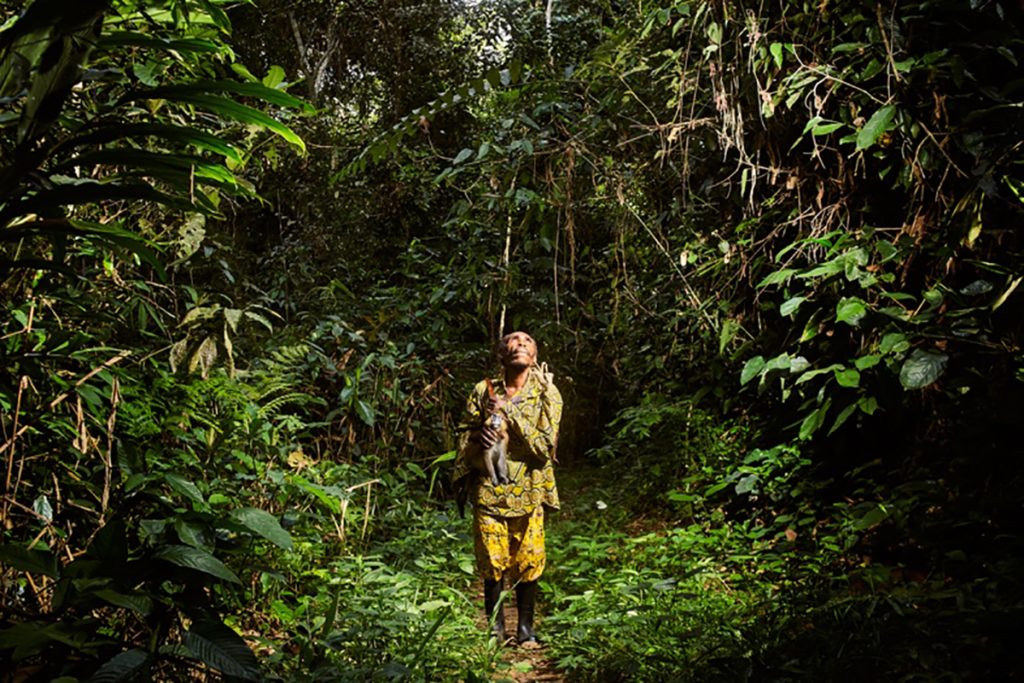
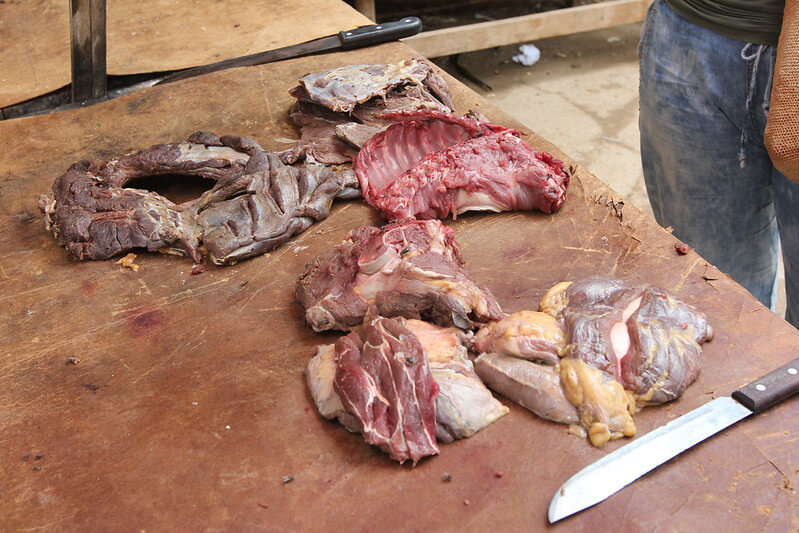
Sport hunting is a complex and often controversial topic in Brazil. While some forms of hunting are legally permitted, sport hunting remains illegal but widespread and poorly understood. Uncovering its patterns, drivers, and ecological impacts is crucial for informing conservation strategies and sustainable resource management. However, limited data on illegal hunting activities makes it difficult to assess the full extent of its impact on biodiversity and local ecosystems.
In this project, we are analysing social media data to shed light on the scale and dynamics of illegal sport hunting in Brazil, providing valuable insights to support policy development and conservation efforts.
Duration
2020 – Current
Location
Brazil
What we’re doing
This project investigates the geographical distribution and impacts of illegal sport hunting across Brazil using social media data. Our key activities include:
1
Mapping hunting events across different regions to understand where illegal hunting is most prevalent.
2
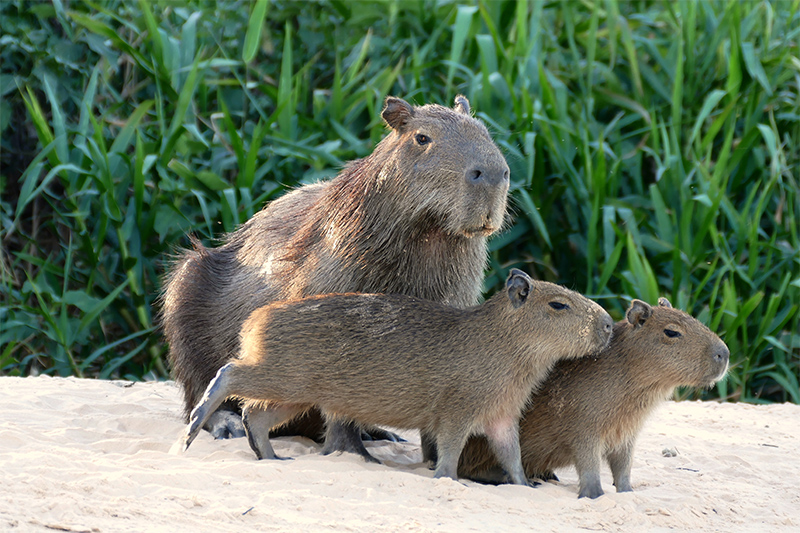
Analysing hunting yields to assess the number and types of species targeted, and how many of them are categorised as threatened with extinction.
3
Examining changes in species composition over time due to defaunation and hunting pressure.
4
Assessing the socioeconomic, environmental and political drivers of illegal sport hunting across the country.
5
Exploring pathways to sustainable use by identifying potential management strategies for wildlife conservation and legal hunting practices.

The team
This project is a collaboration between multiple institutions, including:
CIFOR-ICRAF, University of Oxford, Manchester Metropolitan University (MMU), Instituto de Desenvolvimento Sustentável Mamirauá, REDEFAUNA, University College London (UCL), Universidade Federal de Rondônia, Sainsbury Wellcome Centre, Living Gaia e.V. Berlin, University of Kent, University of Salford, The Nature Conservancy, Wild Animal Conservation Institute (ICAS), Houston Zoo, Instituto de Pesquisas Ecológicas (IPÊ), The Royal Zoological Society of Scotland, Universidade Federal de Alagoas, Instituto Juruá, Instituto Nacional de Pesquisas da Amazônia (INPA), Oxford Brookes University, Universidade Estadual Paulista, Universidade Federal Rural de Pernambuco, Embrapa Pantanal, Universidade Federal do Piauí, Universidade Federal de Mato Grosso do Sul, Universidade do Estado de Mato Grosso.
Project lead:

Featured work
Supporters