
The need
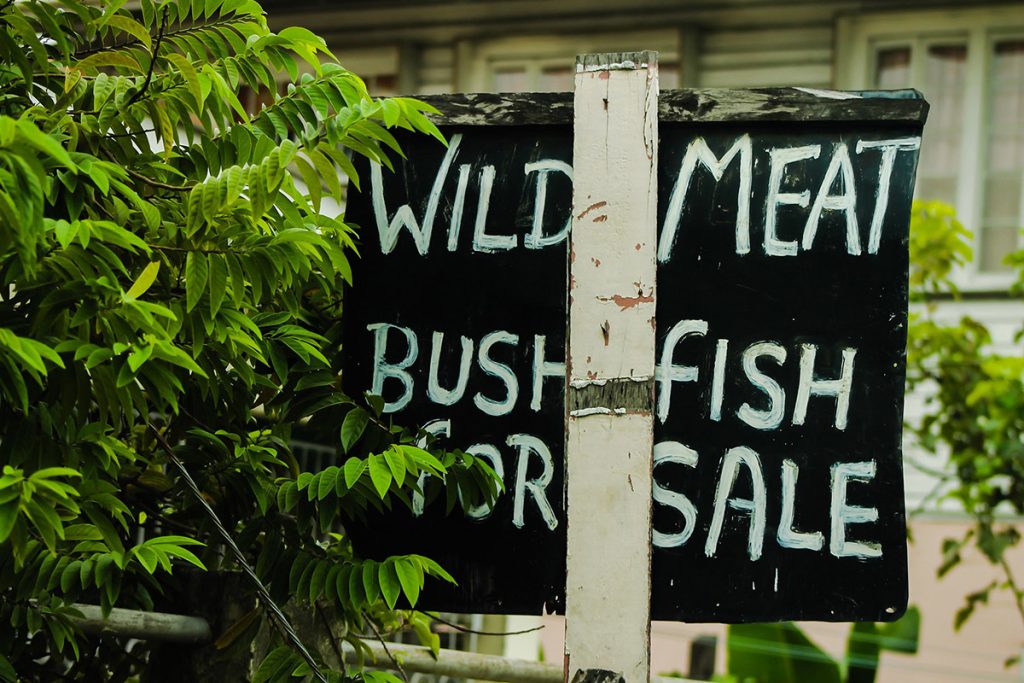
On 31 May 2022, the Nigerian government banned the sale of wild meat in response to the spread of monkeypox, a zoonotic disease primarily linked to rodents but also found in primates. While the ban aimed to curb disease transmission, its broader consequences on wildlife trade, hunting practices, and local livelihoods remain largely unknown.
Rodents and monkeys are two of the three most commonly hunted and traded mammals in Nigeria. If effectively enforced, the ban could significantly reduce the number of these animals being hunted and sold. However, such restrictions also pose social, cultural, and economic challenges for those who rely on wild meat as a source of income and nutrition. Understanding the real-world impacts of zoonosis-related bans is crucial for designing sustainable and effective public health and conservation policies.
Duration
2022
Location
Nigeria
What we’re doing
This project examines the effectiveness and consequences of Nigeria’s 2022 wild meat trade ban by:
1
Tracking trends in wild meat sales before and after the ban to assess its enforcement and impact.
2
Analysing shifts in hunting and trade practices to understand how hunters and traders adapt to restrictions.
3
Exploring social and cultural challenges faced by communities affected by the ban.
4
Informing policy responses by evaluating the feasibility and long-term effectiveness of wildlife trade bans in mitigating zoonotic spillovers.

The team
This project is a collaboration between:
CIFOR-ICRAF, University of Cambridge, University of Kent
Project leads:


Supporters
This project is supported by