
Project type: Integrated

  • Impact of the monkeypox wildlife trading ban in Nigeria

    Impact of the monkeypox wildlife trading ban in Nigeria

    The need

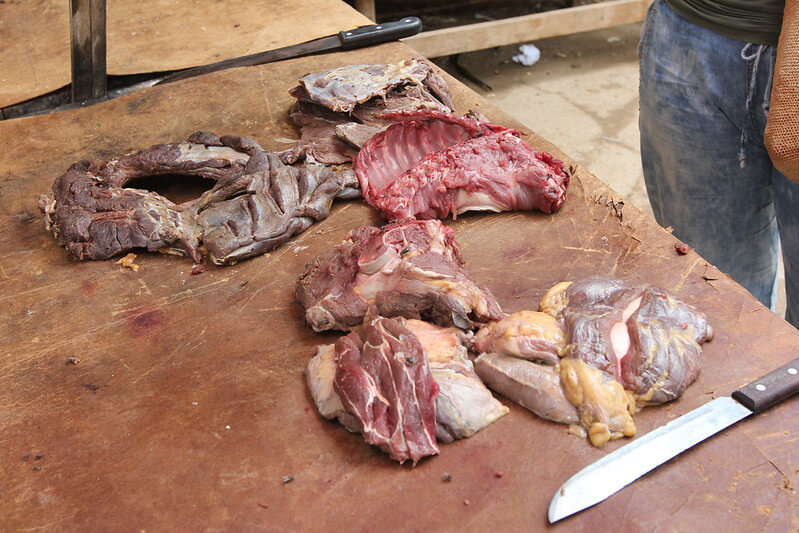
    On 31 May 2022, the Nigerian government banned the sale of wild meat in response to the spread of monkeypox, a zoonotic disease primarily linked to rodents but also found in primates. While the ban aimed to curb disease transmission, its broader consequences on wildlife trade, hunting practices, and local livelihoods remain largely unknown.

    Rodents and monkeys are two of the three most commonly hunted and traded mammals in Nigeria. If effectively enforced, the ban could significantly reduce the number of these animals being hunted and sold. However, such restrictions also pose social, cultural, and economic challenges for those who rely on wild meat as a source of income and nutrition. Understanding the real-world impacts of zoonosis-related bans is crucial for designing sustainable and effective public health and conservation policies.

    Duration

    2022

    Location

    Nigeria

    Featured work

    Supporters

    This project is supported by

    Related projects

    Unveiling the zoonotic dynamics of leprosy in Brazil: A molecular exploration and surveillance approach

    Investigating how leprosy spreads between animals, humans, and the environment

    Impact of the monkeypox wildlife trading ban in Nigeria

    SWM Programme – Guyana

    Community-based wildlife management to ensure sustainable wild meat use, food security, and health

    Impact of the monkeypox wildlife trading ban in Nigeria
  • Pathobiome of wildlife in Brazil

    Pathobiome of wildlife in Brazil

    The need

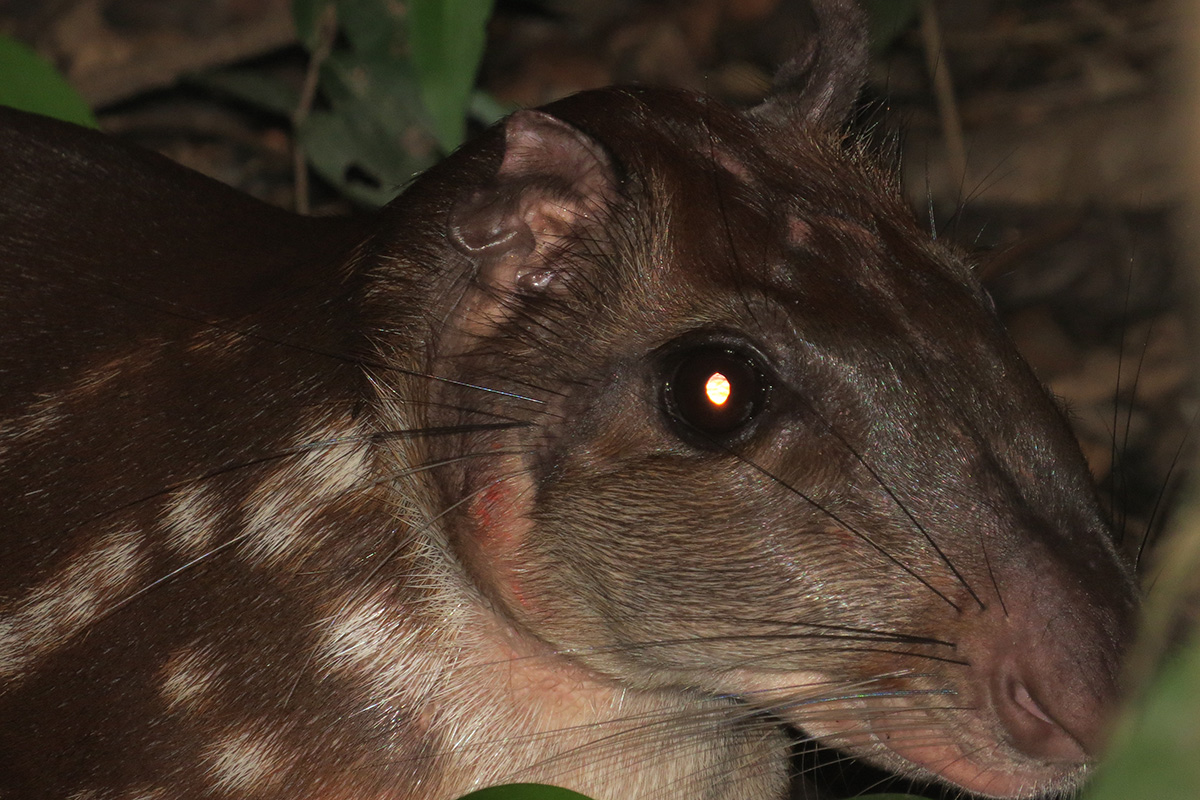
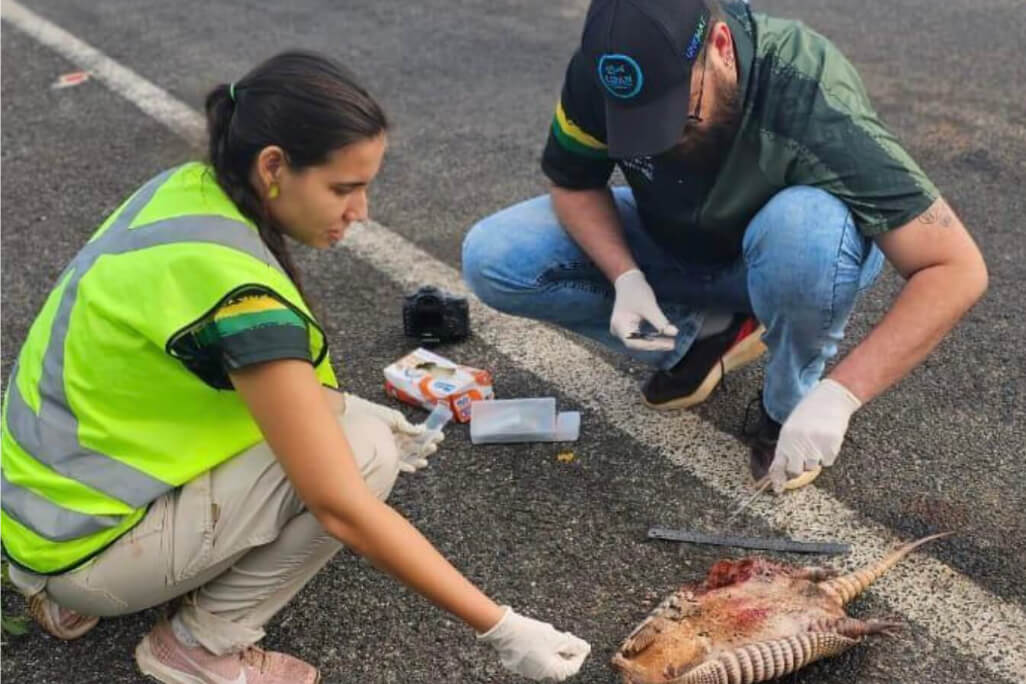
    Wildlife plays a crucial role in maintaining healthy ecosystems, but it can also serve as a reservoir for emerging pathogens that pose risks to both biodiversity and human health. Understanding how pathogens circulate in wildlife populations is essential for preventing disease spillover and protecting both ecosystems and human communities.

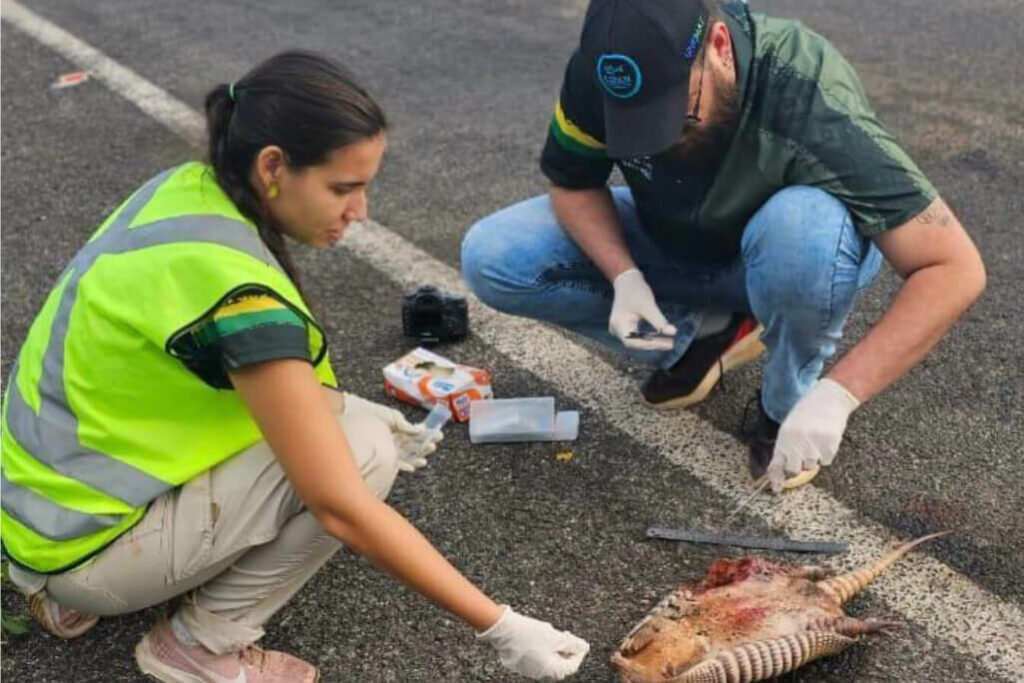
    Brazil, with its vast biodiversity and expanding human-wildlife interfaces, presents a unique opportunity to study pathogen diversity, prevalence, and transmission dynamics. This project seeks to bridge gaps in our knowledge of wildlife disease ecology and zoonotic risks using biobanks of roadkill specimens throughout Brazil.

    Duration

    2023 – 2026

    Location

    Brazil

    Supporters

    This project is supported by

    Related projects

    Sport hunting in Brazil: Patterns, challenges, and pathways to sustainable use

    Understanding illegal sport hunting and its impacts across Brazil

    Pathobiome of wildlife in Brazil

    SWM Programme – Cameroon

    Community-based wildlife management to ensure sustainable wild meat use, food security, and health

    Pathobiome of wildlife in Brazil
  • Wild meat food systems in the Amazon

    Wild meat food systems in the Amazon

    The need

    For many Indigenous and rural communities across the Amazon, wild meat is not just a cultural tradition—it is a vital source of food security and nutrition. However, the scale and sustainability of wild meat harvests remain poorly understood, particularly as environmental changes, economic pressures, and conservation policies influence local livelihoods.

    Reliable data on hunting practices, species harvested, and the nutritional contribution of wild meat is essential for developing policies that balance conservation with food security. This project provides critical insights to inform sustainable management strategies while ensuring the well-being of Amazonian communities.

    Duration

    2022 – Present

    Location

    Amazon Biome

    Supporters

    This project is supported by
    Related projects

    Sustainable Wildlife Management (SWM) Programme

    A brighter future for people and wildlife

    Wild meat food systems in the Amazon

    Unveiling the zoonotic dynamics of leprosy in Brazil: A molecular exploration and surveillance approach

    Investigating how leprosy spreads between animals, humans, and the environment

    Wild meat food systems in the Amazon
  • Unveiling the zoonotic dynamics of leprosy in Brazil: A molecular exploration and surveillance approach

    Unveiling the zoonotic dynamics of leprosy in Brazil: A molecular exploration and surveillance approach

    The need

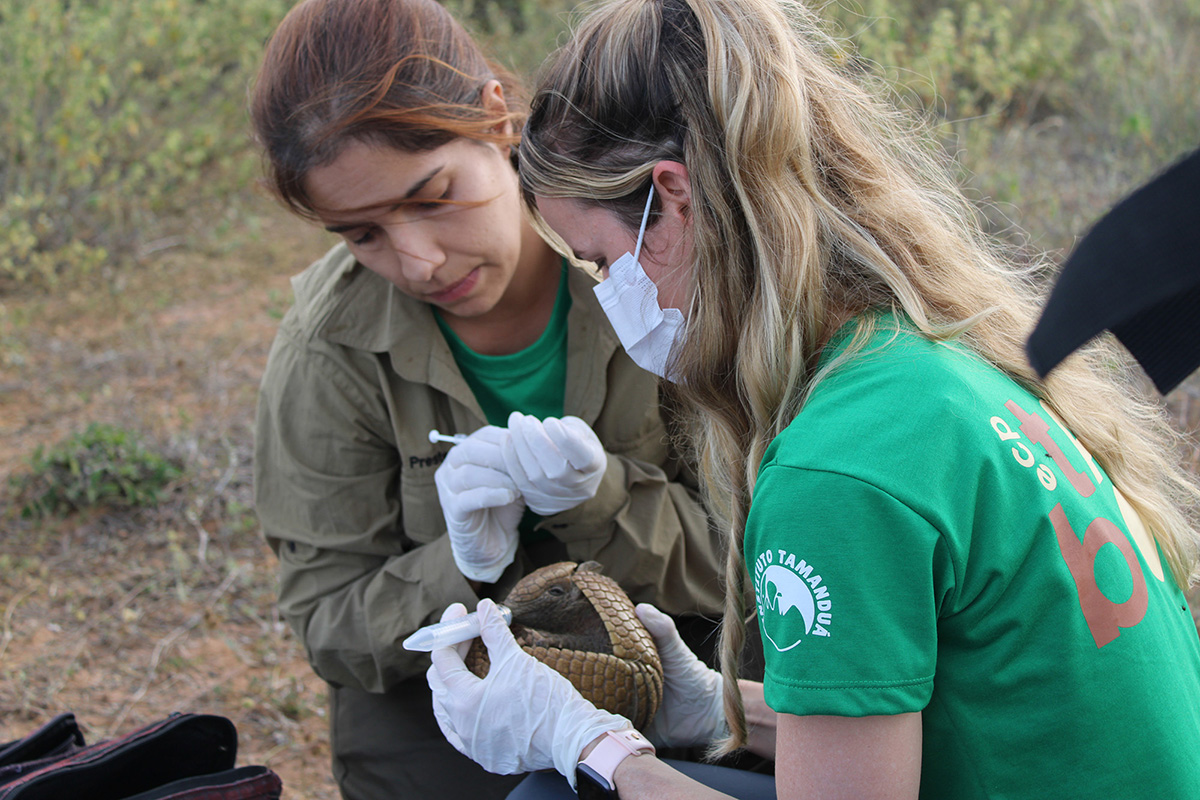
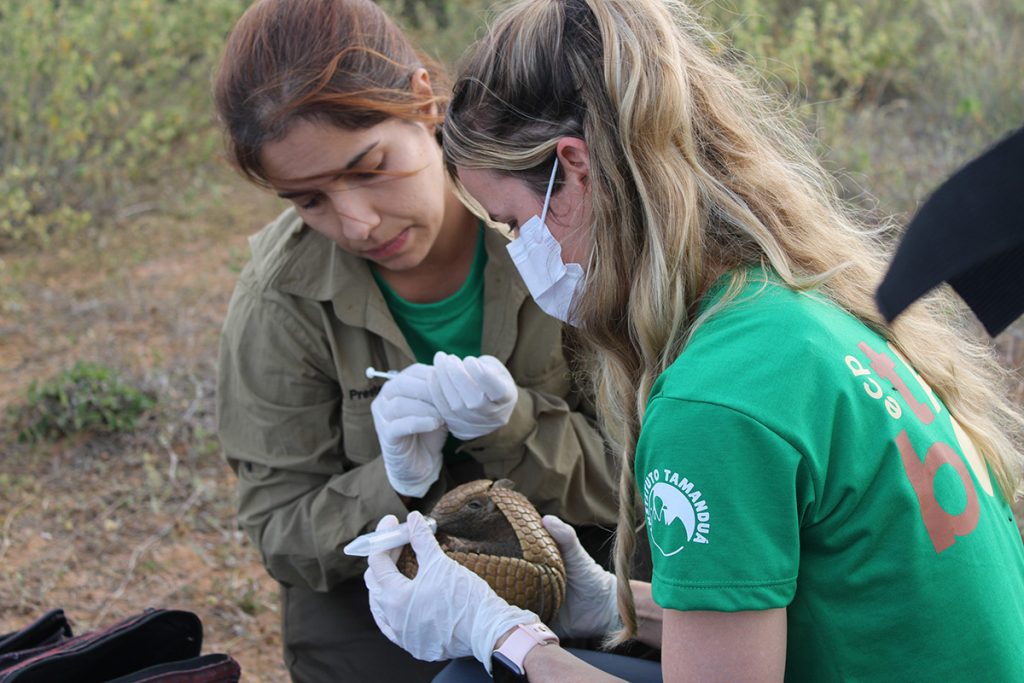
    Leprosy remains a public health concern in the tropical Americas, with growing evidence that it may not only be transmitted from human to human but also through interactions with wildlife and the environment. The role of armadillos and other animal species as potential reservoirs of Mycobacterium leprae raises questions about how the disease spreads and persists in different regions. However, there is still limited understanding of these zoonotic pathways and their implications for disease control.

    This project seeks to uncover the complex transmission dynamics of leprosy by combining cutting-edge molecular techniques (e.g Nanopore) with field-based surveillance and spatial modelling. The findings will contribute to improved public health policies and better strategies to mitigate the risks of zoonotic disease transmission.

    Duration

    2024 – 2027

    Location

    Brazil

    Supporters

    This project is supported by

    Related projects

    Impact of the monkeypox wildlife trading ban in Nigeria

    Assessing the effectiveness and social impacts of wildlife trade bans

    Unveiling the zoonotic dynamics of leprosy in Brazil: A molecular exploration and surveillance approach

    Sport hunting in Brazil: Patterns, challenges, and pathways to sustainable use

    Understanding illegal sport hunting and its impacts across Brazil

    Unveiling the zoonotic dynamics of leprosy in Brazil: A molecular exploration and surveillance approach
  • Sport hunting in Brazil: Patterns, challenges, and pathways to sustainable use

    Sport hunting in Brazil: Patterns, challenges, and pathways to sustainable use

    The need

    Sport hunting is a complex and often controversial topic in Brazil. While some forms of hunting are legally permitted, sport hunting remains illegal but widespread and poorly understood. Uncovering its patterns, drivers, and ecological impacts is crucial for informing conservation strategies and sustainable resource management. However, limited data on illegal hunting activities makes it difficult to assess the full extent of its impact on biodiversity and local ecosystems.

    In this project, we are analysing social media data to shed light on the scale and dynamics of illegal sport hunting in Brazil, providing valuable insights to support policy development and conservation efforts.

    Duration

    2020 – Current

    Location

    Brazil

    Featured work

    Supporters

    Related projects

    WILDMEAT project

    Evidence-based approaches to sustainable wild meat management

    Sport hunting in Brazil: Patterns, challenges, and pathways to sustainable use

    Disease transmission and wild meat food chain: From forest to fork in Cameroon

    Understanding and reducing zoonotic risks in wild meat supply chains

    Sport hunting in Brazil: Patterns, challenges, and pathways to sustainable use