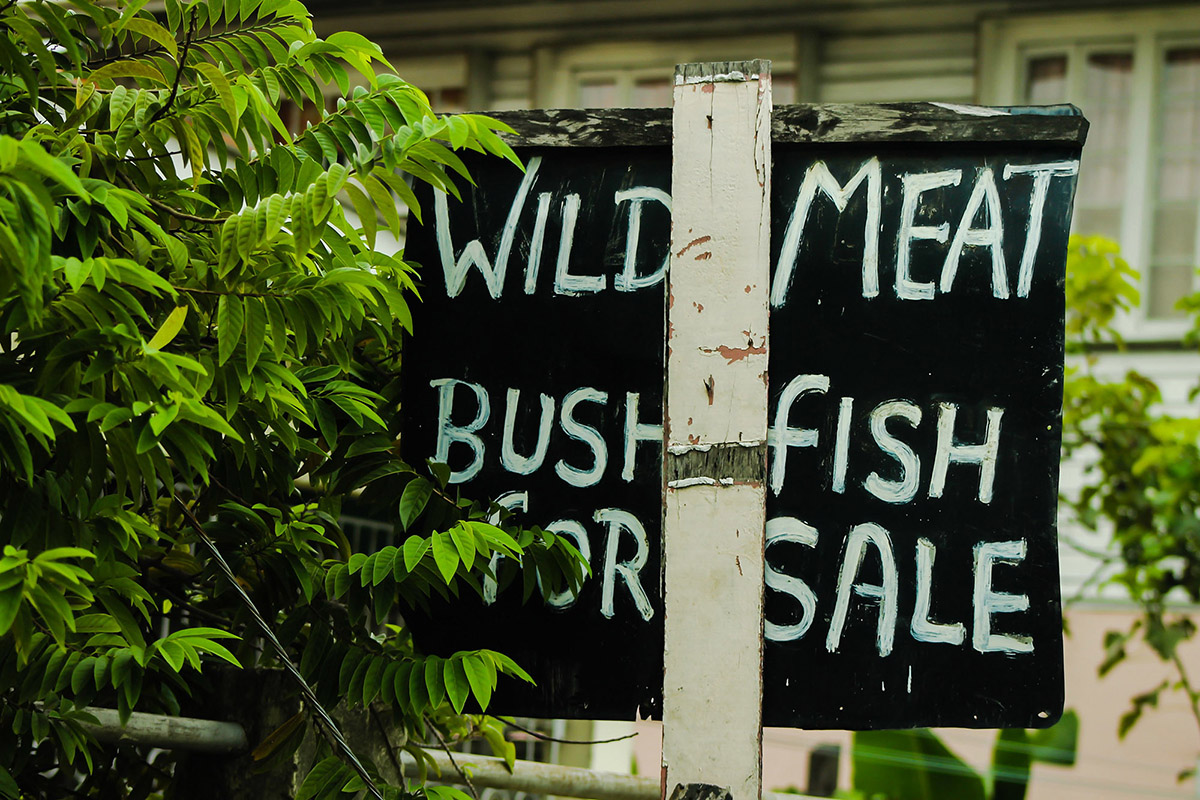
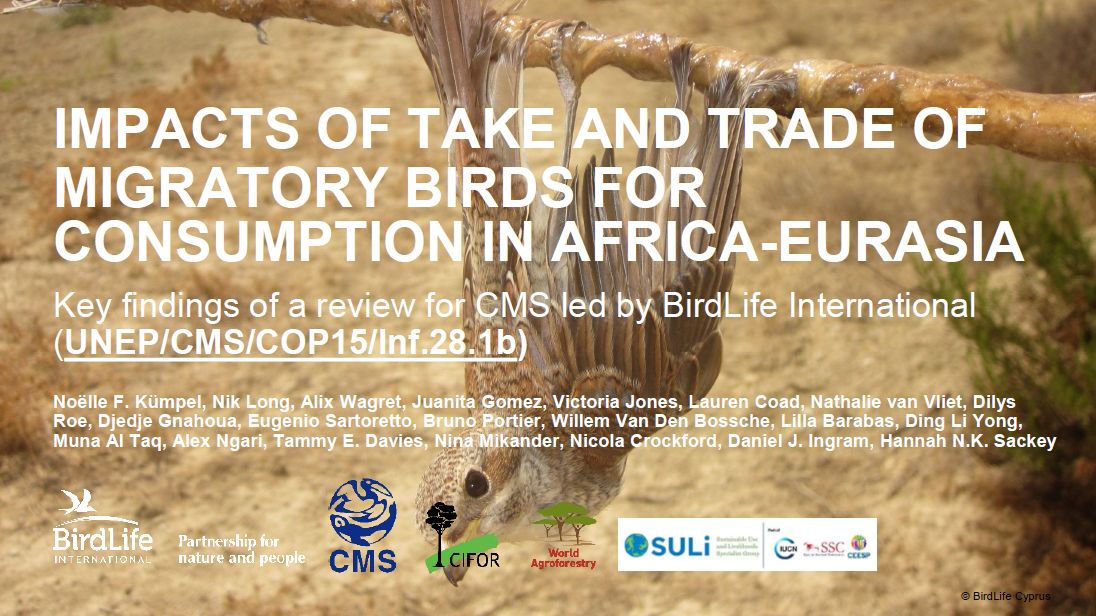
23 Mar. 2026 – A new report prepared by BirdLife International for the Secretariat of the Convention on Migratory Species 15th Conference of the Parties (CMS/COP15) finds “substantial trade and take of migratory bird species for consumption” in Africa and Eurasia.
Around 70% of CMS-listed species assessed were recorded as being consumed (157 out of 224), with the highest rates among the most threatened species. Consumption was documented in over two-thirds of countries studied (84 out of 123), highlighting the broad geographic scale of the issue.
While data remain patchy, available estimates suggest tens of millions of birds are killed each year across Europe, North Africa, the Middle East and the Caucasus—including millions from protected species, the vast majority of which are consumed as food. Legal hunting levels are even higher in some regions, but inconsistent data collection makes it difficult to determine the full scale of both legal and illegal take.
Why it matters?
The level of consumption threatens migratory bird species’ populations, which weakens ecosystems and increases risk for zoonotic disease transmission.
Declines in bird species such as hornbills, seabirds and vultures are undermining critical ecosystem functions, including seed dispersal, nutrient cycling and disease control. These impacts are compounded by threats like lead poisoning in the United Kingdom and European Union and the use of toxic pesticides affecting wetland birds in parts of Africa.
While direct links between bird consumption and zoonotic disease transmission remain limited, evidence highlights the vital role of species like vultures in reducing disease risk. Their decline can increase the spread of disease by allowing scavenger populations such as rats and dogs to grow unchecked.
What can be done?
The report calls for stronger and more coordinated action to protect migratory species. Key priorities include clarifying species listings, strengthening national legislation and penalties, and improving enforcement to better deter illegal activity.
It also highlights the need to boost compliance through awareness and engagement with hunting communities, while supporting alternative livelihoods where communities rely on wild bird consumption.
Finally, the report emphasizes improving data collection and monitoring, alongside greater international cooperation across flyways, to better understand impacts and coordinate effective conservation responses.
Acknowledgements
This report was produced by BirdLife International in partnership with the Center for International Forestry Research and World Agroforestry (CIFOR-ICRAF), the IUCN Sustainable Use and Livelihoods Specialist Group (SULi), and the Food and Agriculture Organization of the United Nations (FAO).