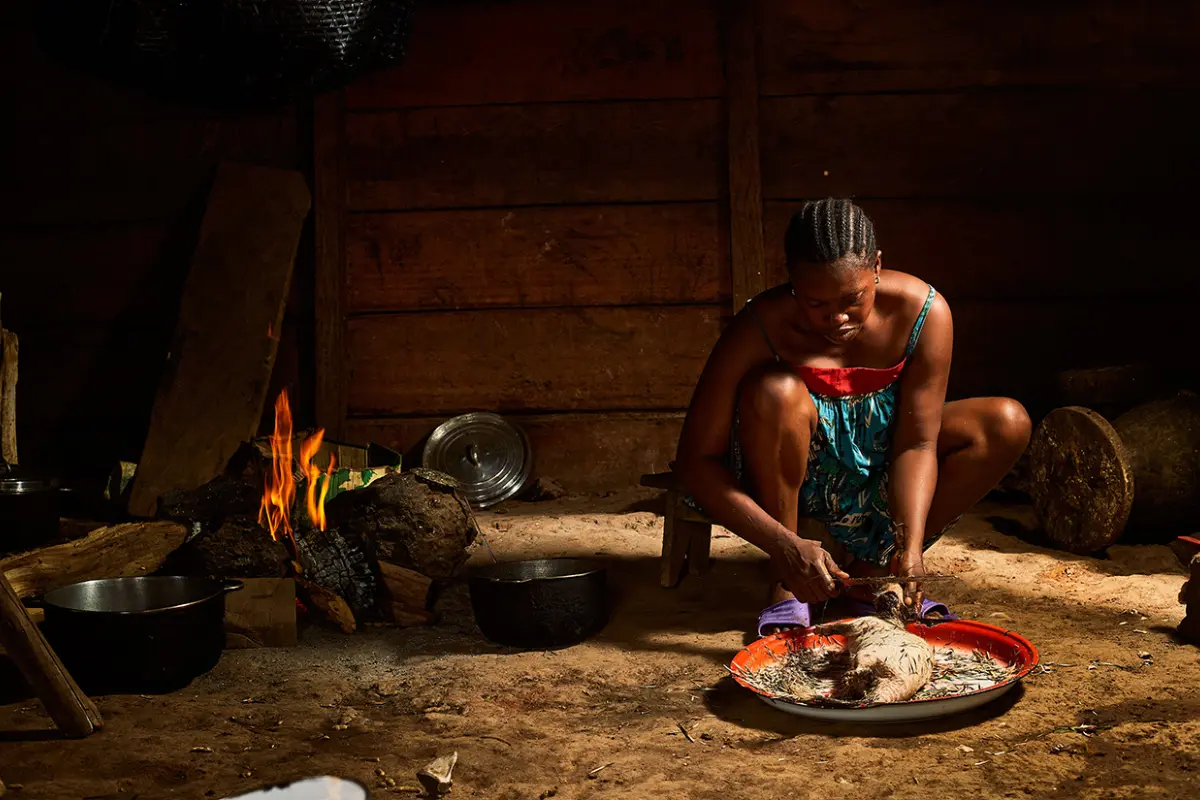
A woman in Southern Cameroon prepares dinner with freshly hunted wild meat. Photo: Vivian Anogo/CIFOR-ICRAF
Jun. 2026 — A new case study from southern Cameroon shows how working alongside communities can result in increased awareness of zoonotic diseases and safer wild meat handling practices.
The projects’ One Health approach recognizes that human health is inseparable from the health of animals, plants and the wider ecosystem. By working with hunters and other community members to develop safer practices, scientists and health workers become allies for those who depend on wild meat for food and income.
Proof of concept
Over a two-year period, researchers conducted surveys, interviews and focus groups to understand what communities knew about the risks of becoming sick from handling wild meat and how to avoid zoonotic disease transmission. The results from 2,400 people across 44 villages were alarming: fewer than 15% of households were concerned about catching diseases from infected animals and only 6% reported washing cutting surfaces with soap after cutting meat.
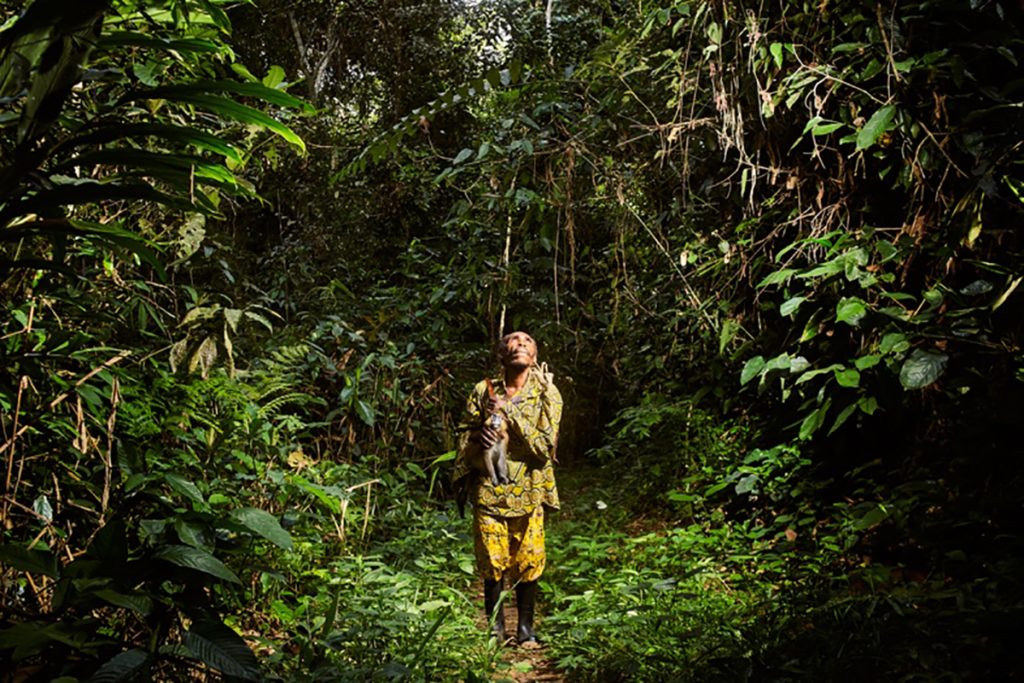
In response, scientists revisited communities to share their findings and organized a “co-creation” workshop with eight villages to develop safer wild-meat handling practices. Community members recommended:
- Raising awareness via local radio and community loudspeakers
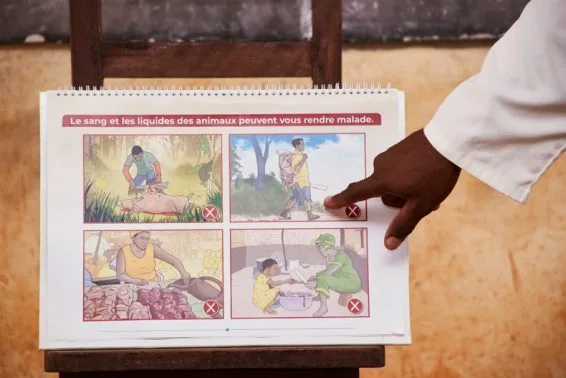
- Creating printed ‘image boxes’ with captions that could visually communicate key messages
- Training teachers to educate students on safe practices
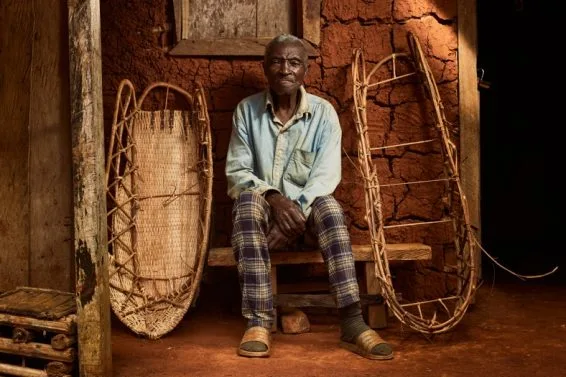
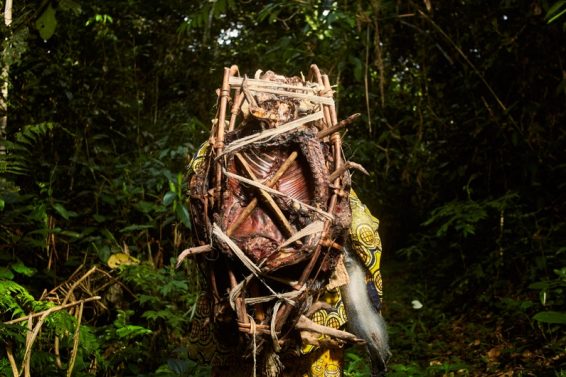
- Holding a kinga design contest with hunters, focusing on designs that could better protect against contact with animal blood and fluids while improving comfort for long distances. Winning designs are now being tested and refined.

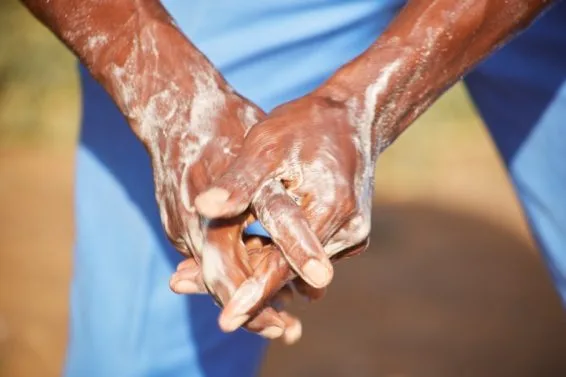
These actions had a positive effect: a follow-up survey showed concern about zoonotic disease transmission had increased from 7% to 46%, and handwashing after handling wild meat rose from 41% to 65%.
Researchers attributed this success to the One Health approach, which respected communities’ reliance on hunting, rather than trying to stop it.
The full case study, including group discussion questions, supplementary materials and further reading, is now available in the CABI Digital Library.
What’s next?
For more information about our partners’ work with zoonotic disease risks and participatory approaches, check out these related projects:
Acknowledgements
The case study in this article comes from the project, Mitigating Risks of Disease Transmission in the Wild Meat Food Chain from Forest to Fork in Cameroon, which was funded by the German Agency for International Cooperation GmbH, Deutsche fur Internationale Zusammenarbeit (GIZ) as support to the International Alliance against Health Risks in Wildlife Trade. Additional funding was provided from United States Agency for International Development ‘s Forestry and Biodiversity Office.
Data are available upon request from Amy Ickowitz: a.ickowitz@cifor-icraf.org.