



About
The vision
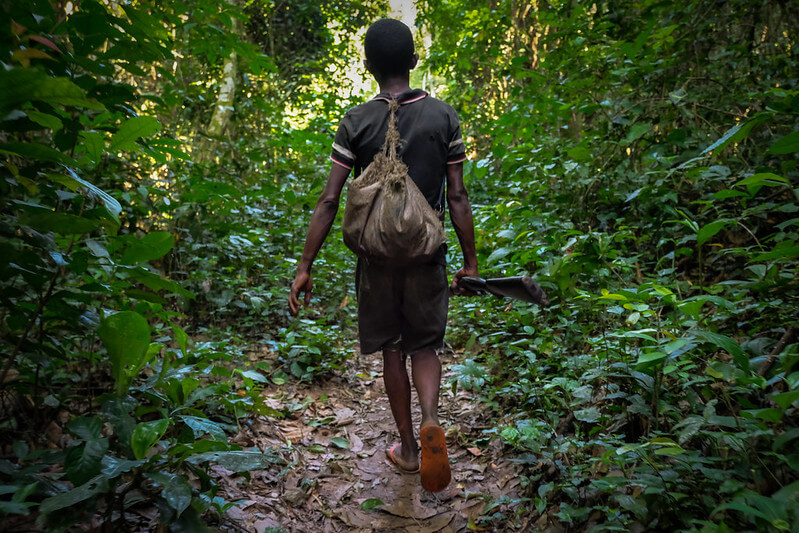
We envision a world where all wild species that people use are managed sustainably, equitably and safely—from armadillos to caimans, gnetum trees to Amanita loosii mushrooms and even cyanobacteria (e.g. spirulina).
This future is possible, and the Sustainable Use of Wild Species Transformative Partnership Platform (SU-TPP) works to make it happen.
Why the “sustainable use” TPP?
1:

Too many wild species are overexploited
Wild species are essential for human survival, but too many are used in ways that are un-sustainable, in-equitable and un-safe.
Sustainable
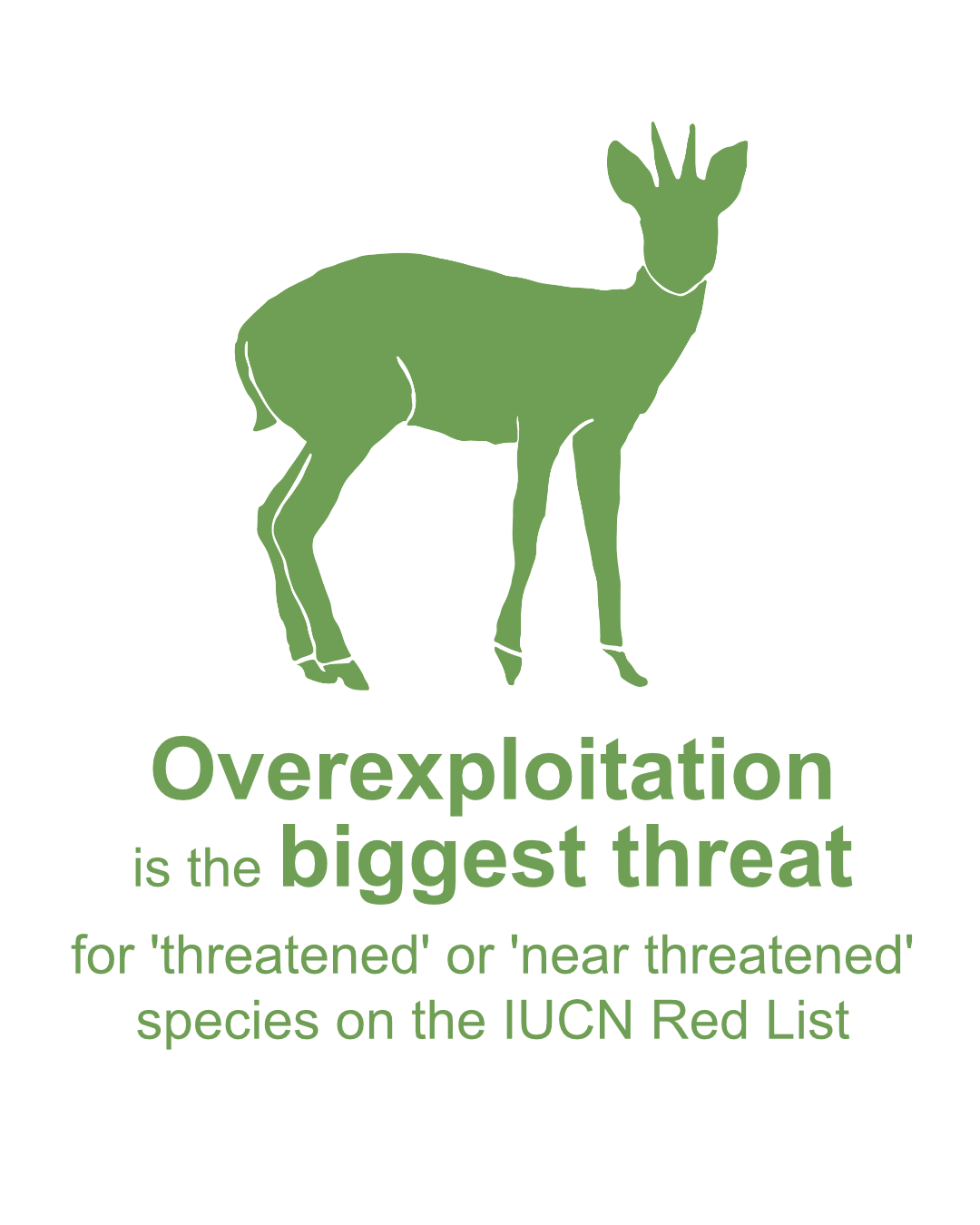
The way people use many wild species today is wildly un-sustainable.
Equitable
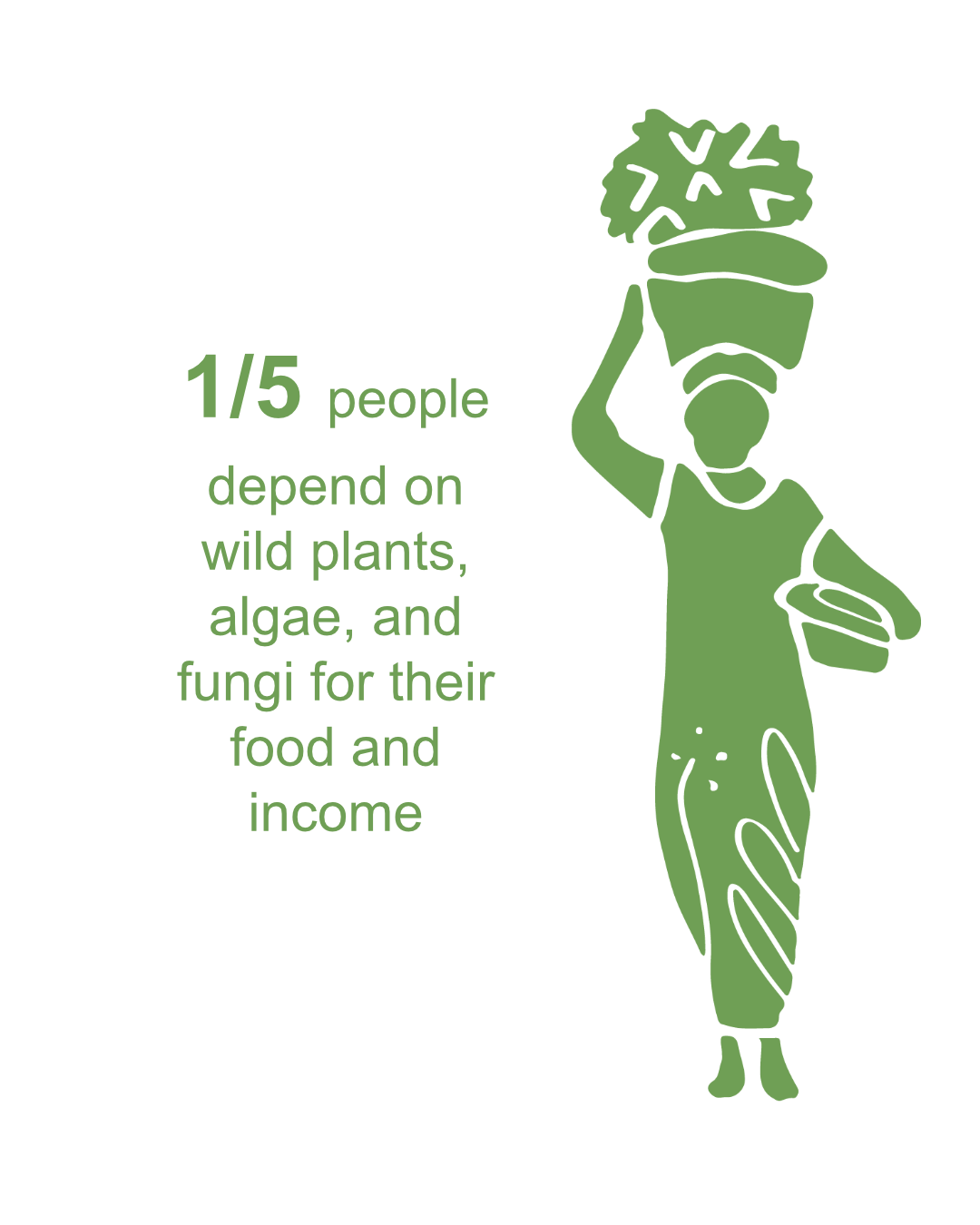
People excluded from resources have little incentive to protect them. Unsustainable use of wild species puts pressure on communities that rely on them, yet these voices are rarely represented in management and decision-making.
Safe
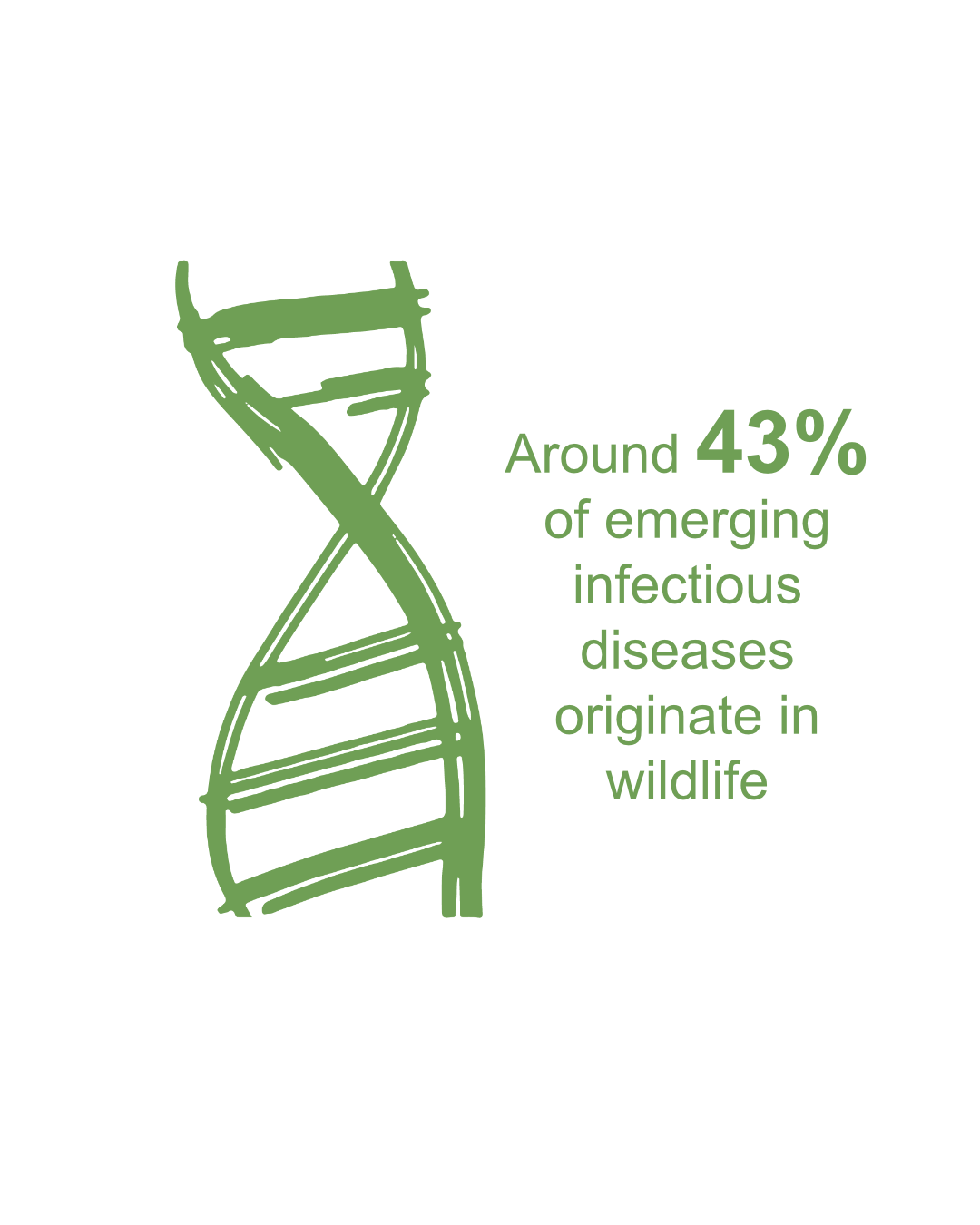
Overexploitation of wild species has direct implications for human health.
2:

Efforts to sustainably manage wild animals, plants and other species often run into challenges.
Despite wide knowledge of the problem (e.g. unsustainable use of wild species), people have struggled to combine research, policy and practice in a way that can change things for the better. The SU-TPP aims to fill that gap.
Governance

Insecure land and resource rights
Weak or poorly designed policies and enforcement mechanisms
Lack of reliable national data and administration systems
Livelihoods
Limited access to alternative food sources or livelihoods for the communities that depend on wild species
Market dynamics that drive overexploitation
Inclusion

Gaps in community participation and representation
Insecure land tenure rights make it difficult for communities to implement sustainable management practices.
Undervalued Indigenous and local knowledge systems
What makes us special?
Here are three things we’re proud of…
Grounded research
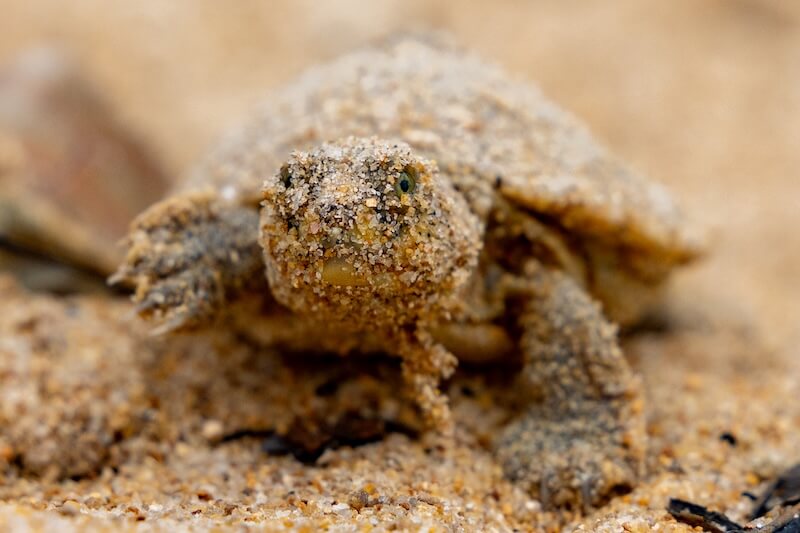
The SU-TPP takes an integrated approach to academic output and global outreach. Our community is deeply connected to implementation on the ground, particularly across tropical regions.
We bring together diverse groups to co-produce evidence that informs both local management and high-level decision-making.
Investing in the future
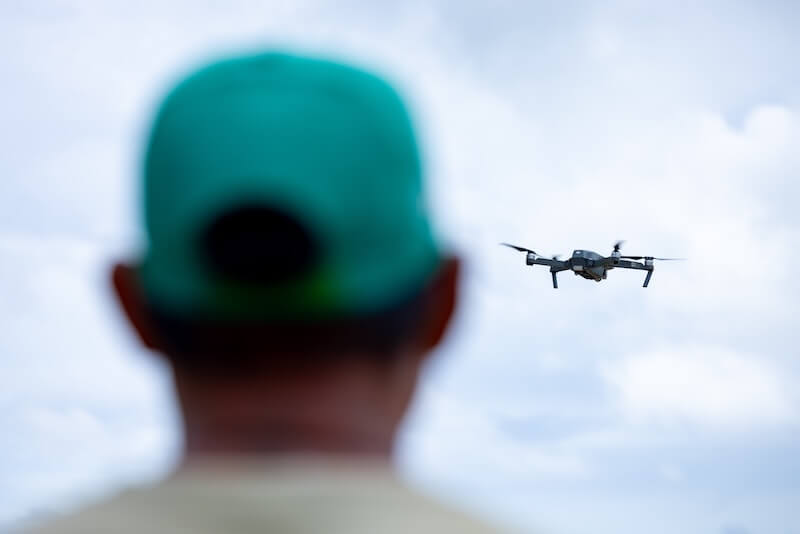
The SU-TPP actively supports early-career researchers and practitioners. Our aim is to mentor a new generation of scientists and facilitate peer learning across disciplines and geographies – especially for those living in countries that have limited access to institutions or funding for biodiversity research.
Our researchers also employ innovative technologies – such as AI modelling, soundscapes, next-generation genome sequencing and camera traps – to gather information about wild species’ populations, helping to inform policy and practice for a sustainable future.
Beyond traditional conservation
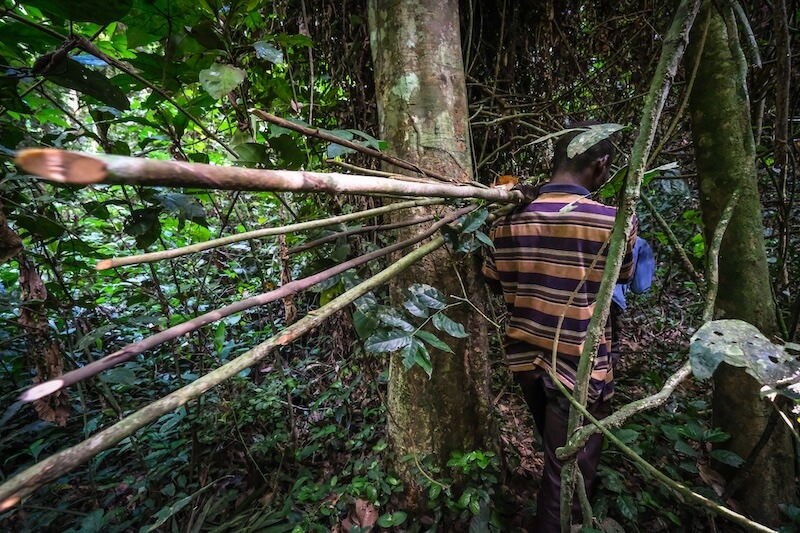
We consider the whole context of people’s interactions with wild species. Adopting the mandate of Targets 5 and 9 of the Global Biodiversity Framework, that means that we engage directly with communities and work to integrate wild species into national policies, food systems and economies in ways that are sustainable, equitable and safe.
Meet the team
The TPP is hosted by The Center for International Forestry Research and World Agroforestry (CIFOR-ICRAF) and co-founded with the University of Oxford and Manchester Metropolitan University. It is governed by a diverse steering committee that includes representatives from: CIFOR-ICRAF, The University of Oxford, Manchester Metropolitan University, Institute for Agricultural Research and Development (IRAD), Wildlife Conservation and Research Unit, IUCN Sustainable Use and Livelihoods Specialist Group (SULi), Rede de Pesquisa em Diversidade, Conservação e Uso da Fauna da Amazônia (REDEFAUNA), Communidad de Manejo de la Fauna Silvestre en la Amazonia y en Latinoamérica (COMFAUNA), Central Africa Bushmeat Research Into Policy (CA-BRIP), International Indigenous Forum on Biodiversity (IIFB), and Forest Peoples Programme (FPP).
Secretariat
-

Hani Rocha El Bizri
-
Lauren Coad
-
Daniella Silva
Steering Committee
-
Julia E. Fa
-
Robert Nasi
-
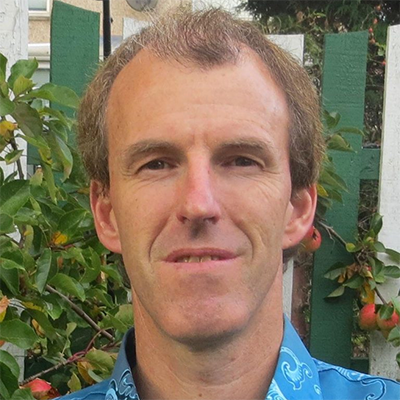
Maurizio Farhan Ferrari
-

Eric Djomo Nana
-
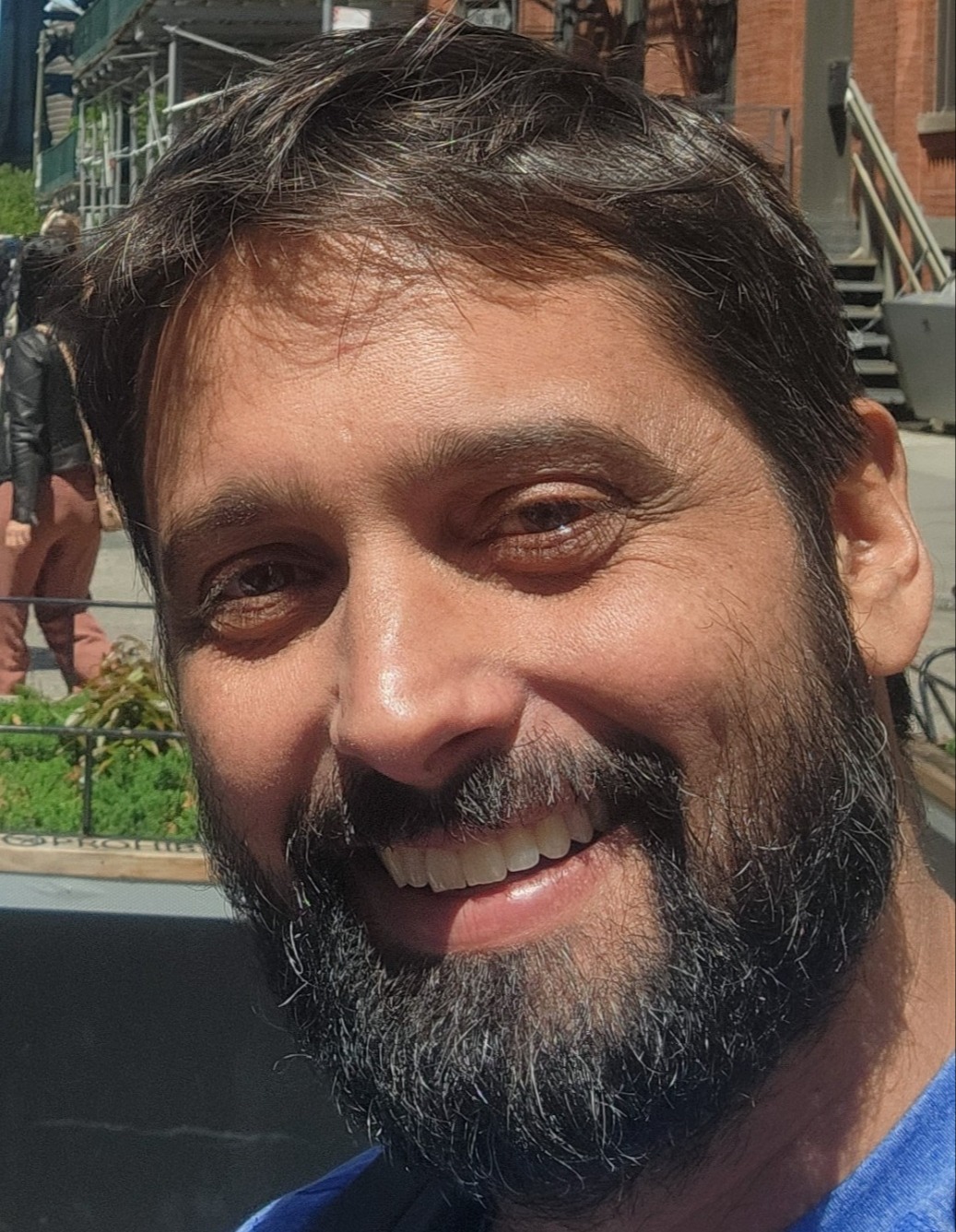
Pedro de Araújo Lima Constantino
-
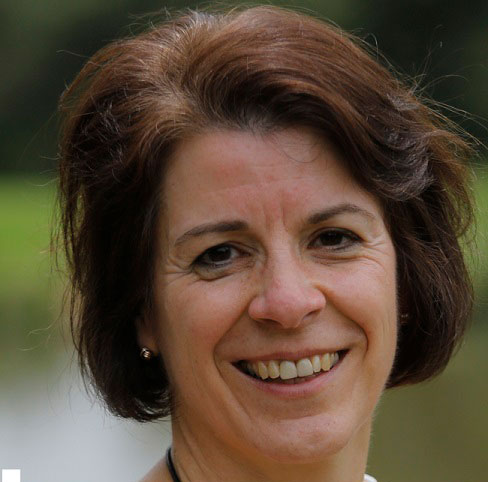
Dilys Roe
-
Onel Masardule
-

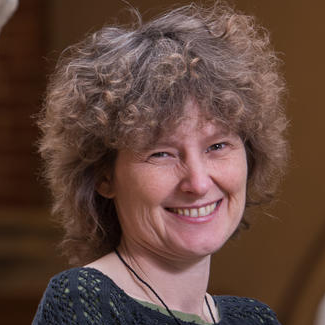
Luciano Martins Verdade

Frequently asked questions (FAQs)
Click the questions to reveal the answer
01
Why is the SU-TPP needed? Aren’t there other organizations working on this topic already?
While there are several other groups working towards sustainable use of wild species (many of which are part of our Steering Committee), what makes the SU-TPP truly unique is its mission to grow the community of people generating evidence and tools that put ‘sustainable use’ at the heart of interdisciplinary solutions.
Research from projects in our network span multiple disciplines from trade of wild species to biodiversity monitoring, pathogen detection to community-led ecosystem management and hunting legal reforms.
Unlike initiatives that focus solely on global advocacy or academic output, SU-TPP is deeply connected to implementation on the ground, particularly across tropical regions, bringing together diverse voices to co-produce evidence that informs both local management and high-level decision-making. The TPP also stands out by actively supporting early-career researchers and practitioners, promoting inclusive collaboration, and facilitating peer learning across disciplines and geographies.
With a strong commitment to equity, cultural relevance, and benefit-sharing, SU-TPP establishes a space where ‘sustainable use’ works for both people and nature—not just in theory, but in practice.
02
What does ‘sustainable use’ mean?
‘Sustainable use’ is the practice of managing wild species so that their populations remain abundant, genetically diverse, and ecologically functional, preserving their natural evolutionary processes in the best way we can while also safeguarding the well-being of both wild species and the people who depend on them.
Our understanding of sustainable use encompasses not only ecological and evolutionary sustainability, but also the social, economic, and cultural sustainability of the communities involved. Our actions are therefore focused on ensuring that the benefits of wild species use are shared equitably, and that both human and ecological health are protected, fostering resilient communities and thriving ecosystems for generations to come.

03
How can I get involved?
Sign up for our newsletter (coming soon!) or contact us directly to ask about potential partnerships and engagement.